







The Trump administration announced this week a commitment of $1.8 billion in additional funding for United Nations humanitarian aid programs, aiming to address escalating global crises. This significant financial injection, confirmed by officials in Washington, is intended to bolster relief efforts across multiple conflict zones and regions facing severe food insecurity. The decision marks a notable pivot in the administration’s approach to international aid, prioritizing targeted assistance in areas currently experiencing the most acute humanitarian distress.
Contextualizing the Funding Boost
International humanitarian aid has faced mounting pressure over the past year as geopolitical conflicts and climate-related disasters have displaced millions. The United Nations has repeatedly called for increased donor support to bridge a widening gap between available resources and the needs of vulnerable populations. Before this announcement, UN agencies had reported significant funding shortfalls, warning that essential supplies of food, medicine, and clean water were at risk of exhaustion in several key operational theaters.
Strategic Priorities and Allocation
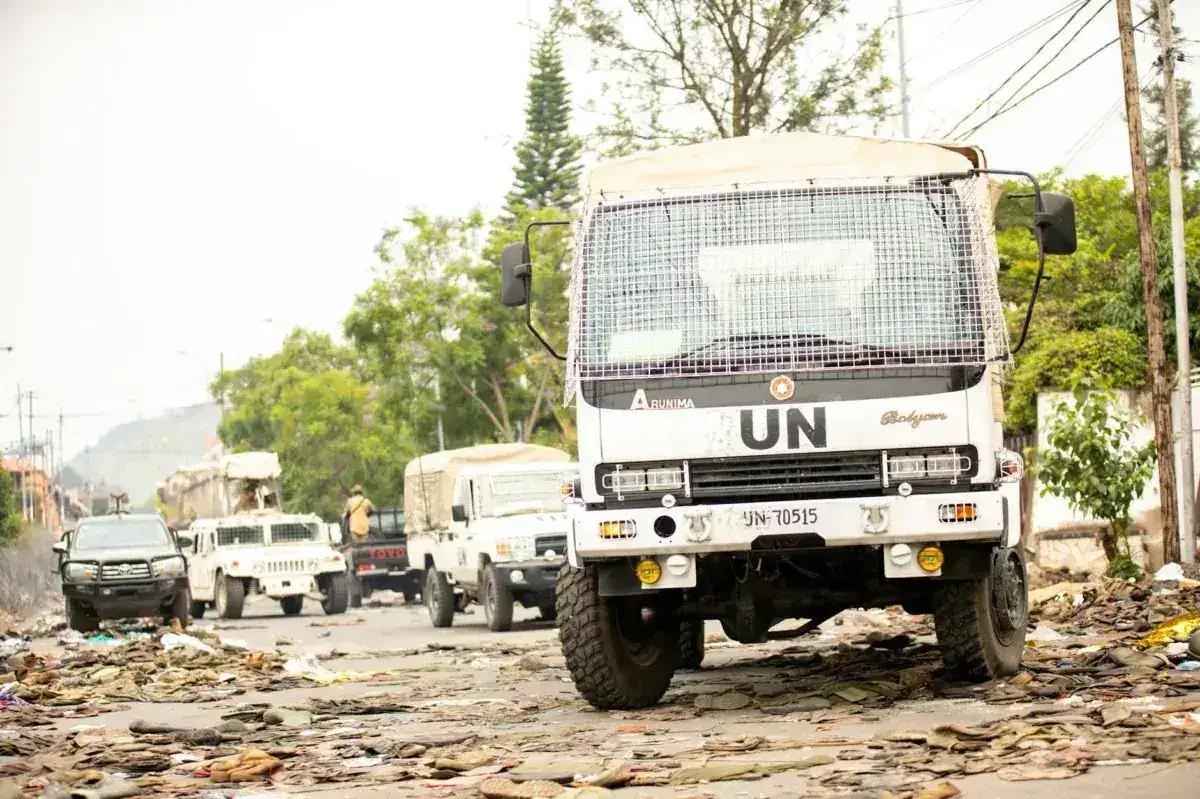
The $1.8 billion pledge is earmarked for a variety of critical sectors, with a heavy emphasis on logistics and direct delivery systems. By streamlining the distribution of aid, the administration aims to ensure that resources reach the intended beneficiaries despite the complex security environments often found in crisis zones. This funding follows an internal review of US foreign aid effectiveness, which underscored the necessity of supporting multilateral organizations to stabilize regions that directly impact global security interests.
Expert Perspectives on Global Stability
Policy analysts suggest that the move reflects a broader understanding of how humanitarian stability correlates with national security. According to recent data from the World Food Programme, more than 300 million people currently face acute food insecurity, a figure that has tripled since 2019. Experts note that providing aid prevents mass migration and the collapse of local governments, which can otherwise create vacuum states that foster extremism. By contributing through the UN, the administration leverages an established infrastructure that is capable of navigating diverse political landscapes that individual nations might find difficult to penetrate.
Industry Implications and Future Outlook
For the humanitarian sector, this influx of capital represents a temporary lifeline that will likely shift the operational capacity of NGOs and UN agencies for the remainder of the fiscal year. Organizations on the ground are expected to accelerate procurement for winterization efforts and medical stockpiling to prepare for the upcoming months. Industry analysts are now monitoring how this funding will influence other donor nations, as large-scale US commitments often serve as a catalyst for matching pledges from European and Asian partners.
What to Watch Next
As these funds begin to move through the UN’s financial pipelines, stakeholders are closely watching the transparency and accountability mechanisms that will track the expenditure. Observers are also monitoring whether this commitment signals a long-term shift in US foreign policy toward a more robust engagement with multilateral humanitarian frameworks. The speed at which these funds translate into tangible aid on the ground will be the primary metric for evaluating the success of the initiative in the coming quarter.