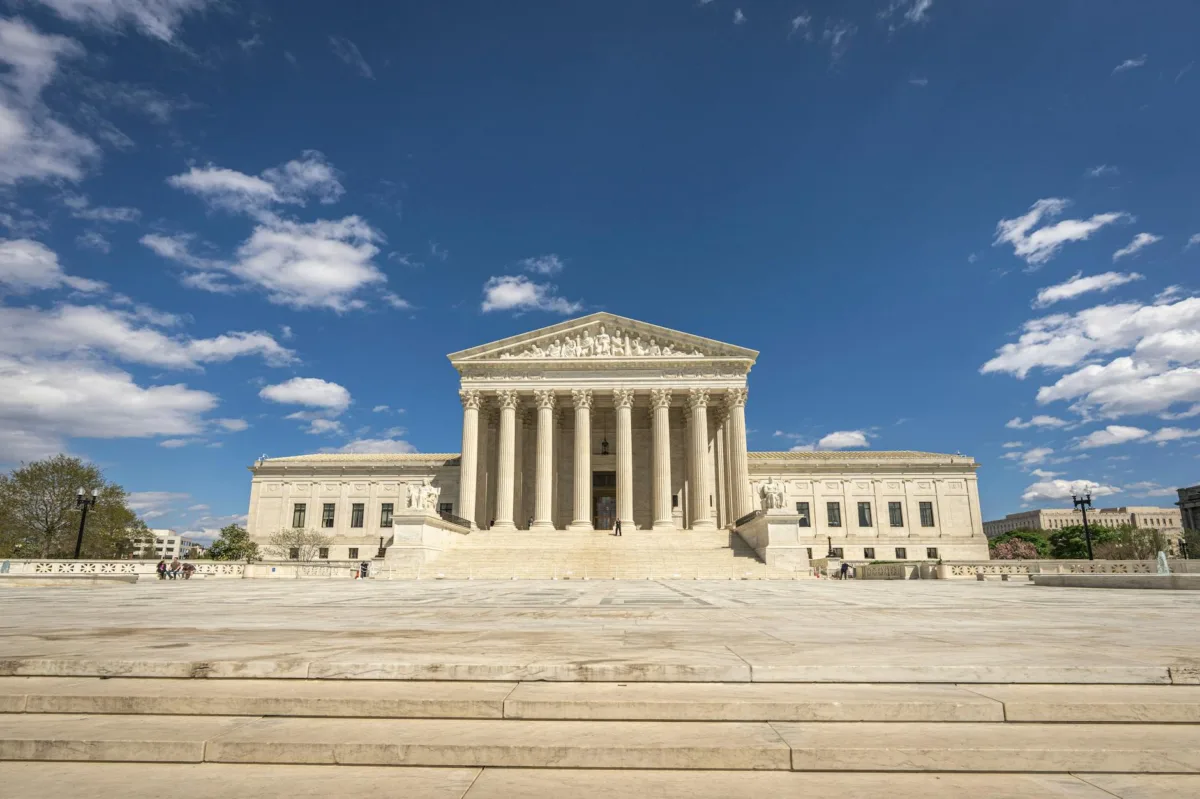







The Supreme Court of India initiated a rigorous constitutional inquiry this week into the legal framework governing the appointment of the Chief Election Commissioner (CEC) and Election Commissioners. A five-judge constitution bench, led by Justice KM Joseph, questioned the central government on the necessity of maintaining an independent selection process to ensure the integrity of the nation’s democratic exercises.
Context of the Judicial Scrutiny
The current selection process for the Election Commission of India (ECI) relies on appointments made by the President on the advice of the executive branch. Historically, this has sparked debates regarding the potential for political influence over an institution constitutionally mandated to remain neutral.
Petitioners before the court have argued that the existing mechanism lacks a robust consultative process, allowing the executive to effectively hand-pick officials. The legal challenge seeks to establish a permanent, independent panel to oversee these appointments, moving away from unilateral executive discretion.
The Debate Over Independence
During the proceedings, the Supreme Court emphasized that the Election Commission must be insulated from executive pressure to guarantee free and fair elections. Justice Joseph pointedly remarked that the “third member” of the selection panel—often representing the government—should be a neutral arbiter rather than a political appointee.
The government countered these assertions by stating that the Chief Justice of India’s inclusion in a selection panel is not a statutory requirement. Legal representatives for the Union argued that the current system has functioned effectively for decades and that the executive remains accountable to the legislature for these appointments.
Expert Perspectives and Constitutional Concerns
Constitutional experts have noted that the lack of a specific law governing ECI appointments creates a legislative vacuum. While Article 324 of the Constitution provides for the appointment of election commissioners, it does not detail the specific criteria or the committee structure required for such selections.
Data from recent appointment cycles indicates that the time taken to fill vacancies has drawn criticism from civil society organizations. Critics argue that the absence of a defined, transparent process undermines public trust in the independence of the electoral watchdog.
Implications for Electoral Governance
For the Indian electorate, the court’s intervention signifies a potential shift toward greater transparency in how constitutional bodies are staffed. If the Supreme Court mandates a new selection committee that includes judicial or independent oversight, it would mark a significant departure from the executive-led status quo.
Industry observers and political analysts are now watching for the court’s final verdict, which could set a binding precedent for other independent regulatory bodies. Any ruling that mandates a multi-stakeholder appointment process could limit the government’s unilateral control, fundamentally altering the power dynamics between the executive and independent institutions.
Moving forward, the focus remains on whether the court will issue interim guidelines to govern upcoming vacancies or if it will task the Parliament with drafting a comprehensive new law. The outcome will likely define the structural independence of the Election Commission for the coming decade, serving as a litmus test for the resilience of India’s democratic infrastructure.