


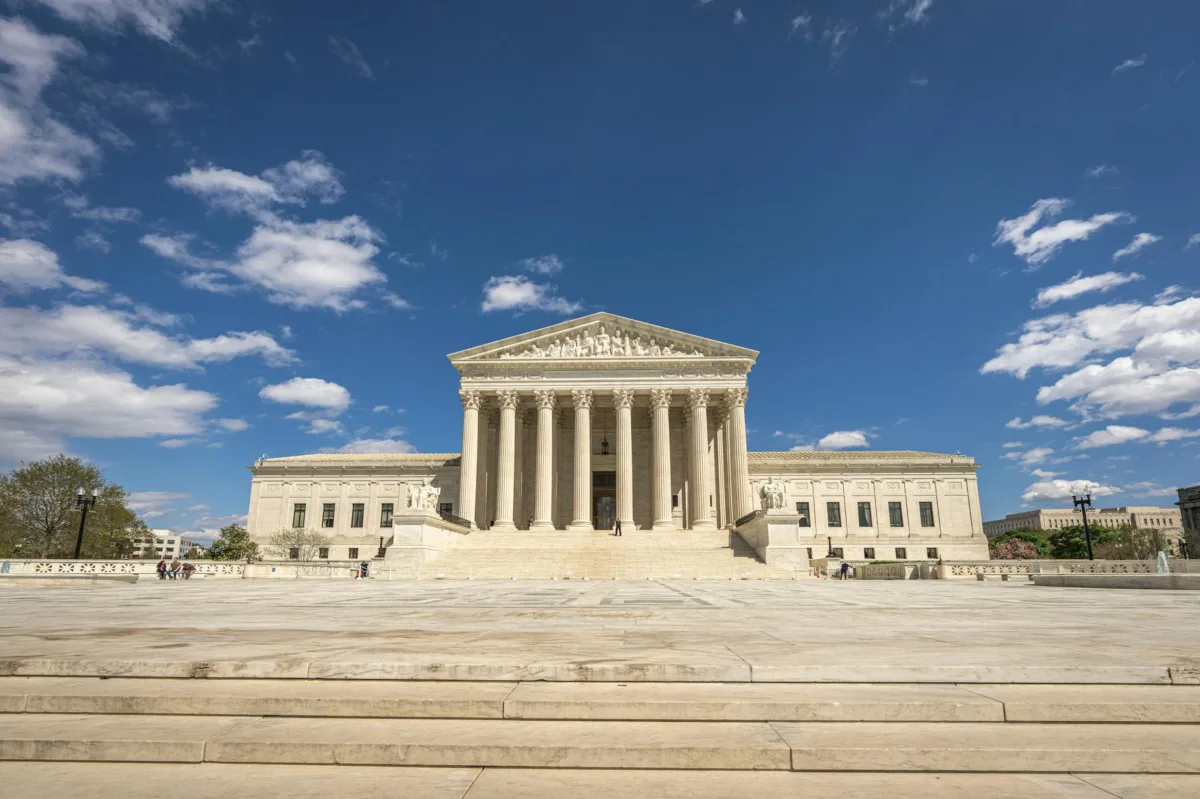
The Constitutional Crossroad
The Supreme Court of India has officially reserved its judgment regarding the scope of the ‘Essential Religious Practice’ (ERP) doctrine, concluding a marathon 16-day hearing in New Delhi. The proceedings, centered on the review of the Sabarimala temple entry case, saw a nine-judge constitution bench deliberate on whether the judiciary holds the authority to define which religious rituals are central to a faith. The outcome of this case is poised to redefine the delicate balance between the constitutional guarantee of religious freedom and the fundamental right to gender equality.
Understanding the Essential Religious Practice Doctrine
The ERP doctrine emerged from judicial precedents dating back to the 1950s, intended to protect religious freedom by shielding practices deemed ‘essential’ to a religion from state interference. Under this framework, courts have historically acted as arbiters of theology, determining which rituals are mandatory for the integrity of a religion. Critics, however, argue that this test lacks a standardized legal methodology, often resulting in subjective rulings that vary based on the specific bench presiding over a matter.
The Conflict Between Faith and Equality
During the recent hearings, the bench scrutinized the legitimacy of the ERP doctrine, with several judges questioning its elitist nature. Justice D.Y. Chandrachud noted that the doctrine often allows religious heads to claim immunity from constitutional scrutiny, potentially bypassing the state’s mandate to ensure equality for all citizens. The Union Government, meanwhile, has maintained that religious freedom should not be subordinated to individual rights when those rights contradict established faith-based practices.
Expert Perspectives and Legal Tensions
Legal scholars point to the inherent difficulty in the judiciary acting as a theological authority. Senior advocates appearing before the court highlighted that the current application of the ERP test creates a ‘gray zone’ where discriminatory practices are shielded under the guise of antiquity. Data from constitutional petitions over the last decade shows a significant rise in litigation where personal law and religious customs collide with the fundamental rights enshrined in Part III of the Indian Constitution.
Industry and Societal Implications
For the broader legal landscape, a shift in the ERP doctrine could lead to a monumental transformation in how Indian courts handle religious disputes. If the Supreme Court chooses to narrow the scope of the doctrine, religious institutions may face increased oversight regarding gender-based exclusionary practices. Conversely, a reinforcement of the doctrine could provide religious organizations with stronger protections against state intervention, reinforcing the autonomy of community-led religious management.
Looking Ahead
Legal analysts will now watch for the court’s criteria in determining what constitutes a religion-neutral intervention versus an infringement on faith. The final verdict is expected to establish a definitive test that will govern future litigation regarding temple entry, personal laws, and the intersection of traditional customs with modern constitutional values. Observers suggest the ruling will serve as a landmark precedent for the secular nature of the Indian judiciary in the coming decades.


