









Judicial Operations Shift Toward Virtual Framework
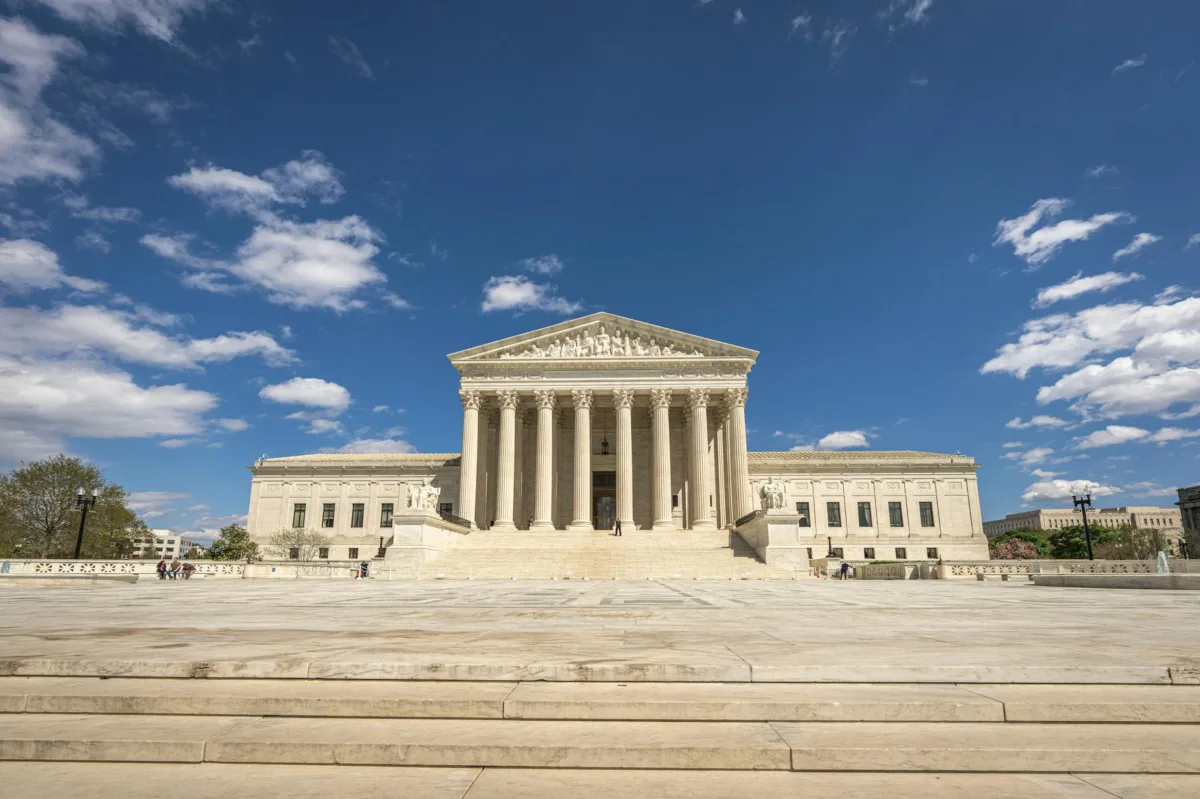
In a significant response to the ongoing fuel crisis affecting India, the Supreme Court of India announced this week that it will implement mandatory fuel-saving measures, including a transition to virtual hearings on miscellaneous days and the introduction of carpooling for its judges. The decision, aimed at curbing consumption and demonstrating administrative solidarity with national austerity efforts, marks a strategic shift in judicial conduct as the country grapples with rising energy costs.
Contextualizing the Judicial Austerity Drive
The move follows a broader appeal from the central government and Prime Minister Narendra Modi, who have urged various sectors to adopt energy-efficient practices as fuel prices fluctuate. The judiciary, historically reliant on physical presence for court proceedings, is now leveraging the digital infrastructure developed during the pandemic to reduce the logistical footprint of its operations.
Historically, the Supreme Court has maintained a standard of in-person advocacy, viewing physical presence as essential for the nuance of legal debate. However, the current economic climate has necessitated a recalibration of these standards, proving that the court can maintain operational efficacy through remote platforms.
Operational Shifts and Logistical Changes
Under the new directives, miscellaneous days—typically reserved for fresh matters and urgent mentions—will transition exclusively to video conferencing (VC) modes. This reduction in physical footfall at the court premises is expected to significantly decrease the number of vehicles commuting to the New Delhi complex, effectively lowering the carbon and fuel footprint of the legal fraternity.
Furthermore, the directive encourages judges to adopt carpooling measures for their daily commute. This initiative is designed to serve as a model for other government institutions, signaling a top-down approach to resource management. Remote work arrangements have also been expanded for select court staff, further minimizing the need for daily travel to the high-traffic court zones.
Broader Industry Implications
Legal experts suggest that this shift could have a ripple effect across the Indian judicial system. The Advocates Association in Jharkhand has already petitioned the Jharkhand High Court to adopt similar virtual hearing protocols, citing the persistent fuel crisis as a primary driver for the request. This suggests that the Supreme Court’s decision may act as a catalyst for a permanent, modernized hybrid model of litigation across state high courts.
Data from recent administrative assessments suggests that virtual hearings can reduce operational costs by up to 30%, largely due to decreased logistical requirements. While the primary impetus remains the fuel crisis, the efficiency gains provide a compelling argument for the long-term sustainability of these practices.
Future Outlook and Anticipated Developments
Observers will be watching to see how the legal community adapts to these changes over the coming quarter. The success of these measures may determine whether the Supreme Court formalizes virtual proceedings as a permanent feature of its administrative policy, even after the current fuel crisis stabilizes. As the judiciary continues to integrate digital solutions, the focus will likely shift toward improving the stability and accessibility of these virtual platforms for advocates across the nation.