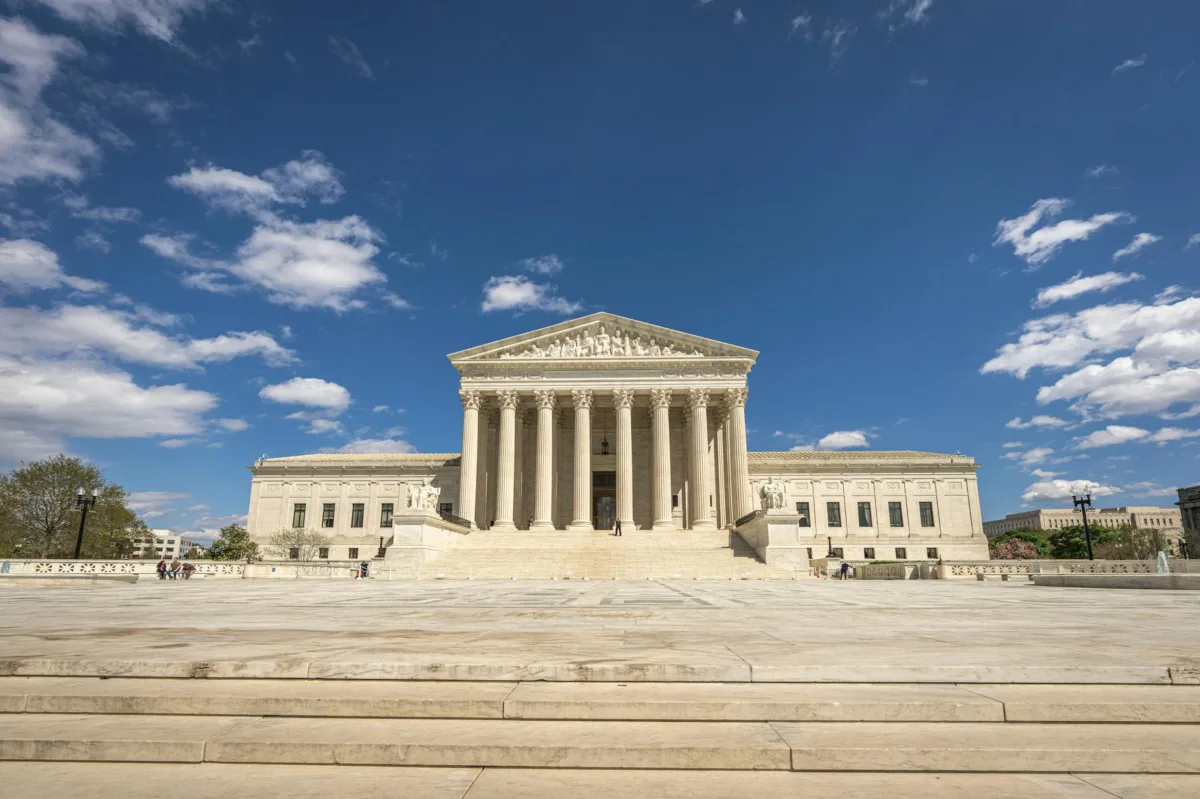









The Supreme Court of India has formally questioned the central government regarding the selection process for Election Commissioners, demanding transparency and independence in the appointment of the body responsible for overseeing the nation’s democratic process. During recent hearings in New Delhi, the bench, led by the Chief Justice of India, scrutinized the current mechanism that grants the executive branch significant influence over the selection panel, arguing that the Election Commission (EC) must operate as a truly neutral arbiter to maintain public faith in electoral outcomes.
Context of Electoral Governance
The Election Commission of India is a constitutional authority responsible for administering election processes at the national and state levels. Historically, the appointment of the Chief Election Commissioner and other Commissioners has been a prerogative of the executive, with the President acting on the advice of the Council of Ministers.
Critics and legal experts have long argued that this structure creates a potential conflict of interest, as those in power effectively choose the referees for the contests they participate in. The current legal challenge seeks to establish a more robust, independent selection committee to insulate the poll body from political pressure.
The Debate on Institutional Independence
The Supreme Court’s inquiry centers on the perceived lack of a formal, statutory process that guarantees the independence of the commission. Justice-led observations during the proceedings highlighted that the integrity of free and fair elections is intrinsically linked to the autonomy of the individuals appointed to lead the institution.
Government representatives have countered these concerns by asserting that the current process has functioned effectively for decades. They argue that the inclusion of the Chief Justice of India on the selection panel is not a statutory requirement and that the existing framework provides sufficient checks and balances to ensure the appointment of qualified candidates.
Expert Perspectives and Legal Scrutiny
Legal analysts suggest that the court’s intervention underscores a growing concern regarding the erosion of institutional independence. By questioning the “show of independence” in current appointments, the judiciary is signaling that procedural formalities are insufficient if they do not lead to substantive autonomy.
Data from recent election cycles shows a heightened public demand for transparency in state institutions. According to reports from non-partisan democratic watchdogs, public trust in electoral bodies is a primary indicator of national stability, making the appointment process a critical focal point for constitutional scholars.
Implications for Future Governance
The outcome of these proceedings could fundamentally alter the landscape of Indian election administration. If the Supreme Court mandates a new, independent selection committee, it would represent a significant shift in the balance of power between the executive and the constitutional bodies tasked with oversight.
Industry observers and political stakeholders are now watching for the court’s final orders, which could necessitate legislative changes to the Election Commission Act. Moving forward, the focus remains on whether the government will propose a compromise that satisfies judicial demands for neutrality or if the court will impose a binding framework to define the future of electoral appointments.