





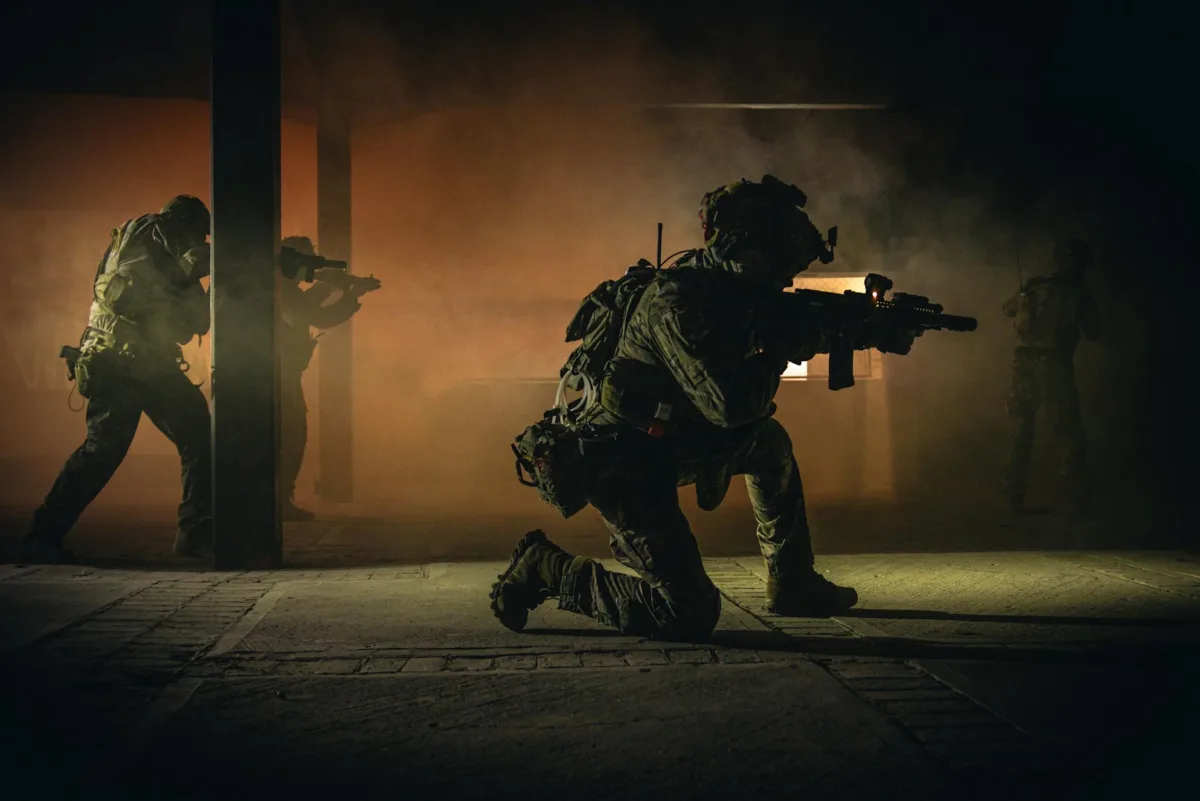
A joint military operation involving U.S. and Nigerian forces resulted in the death of a high-ranking leader within the Islamic State in West Africa Province (ISWAP) earlier this week in northern Nigeria. The tactical strike, conducted deep within a known militant stronghold, successfully eliminated the group’s alleged second-in-command, according to a statement released by regional defense officials.
The Escalating Conflict in the Lake Chad Basin
The Lake Chad Basin has remained a primary theater of violence for over a decade, as ISWAP and its predecessor, Boko Haram, continue to wage an insurgency against the Nigerian state. ISWAP, which split from Boko Haram in 2016, has demonstrated increased organizational sophistication and operational capacity, frequently targeting government installations and local infrastructure.
International security observers note that ISWAP has exploited porous borders and localized instability to expand its influence across the Sahel. The group’s focus on governance and taxation in rural areas has made it a resilient adversary, complicating long-term stabilization efforts by the Nigerian military and its international allies.
Strategic Implications of the Targeted Strike
The elimination of a high-level commander disrupts the operational continuity of ISWAP’s leadership hierarchy. Military analysts suggest that such targeted operations are designed to degrade the group’s command and control structures, forcing militants into defensive postures and limiting their ability to coordinate large-scale attacks.
Data from the Armed Conflict Location & Event Data Project (ACLED) indicates that while the Nigerian government has achieved periodic tactical successes, the insurgency remains fluid. The involvement of U.S. forces in this operation underscores the Biden administration’s ongoing commitment to providing intelligence, surveillance, and reconnaissance (ISR) support to regional partners under the umbrella of counter-terrorism cooperation.
Expert Analysis on Regional Security
Security experts emphasize that while the death of a senior leader is a significant milestone, it rarely serves as a definitive solution to the underlying insurgency. Dr. Amina Bello, a regional analyst specializing in Sahelian security, noted that the group has historically shown an ability to replace leadership rapidly.
“The decapitation of a leadership tier creates a temporary vacuum, but the resilience of these organizations often stems from deep-seated local grievances and lack of economic opportunity,” Bello stated. “Military intervention must be paired with civil development to ensure long-term regional security.”
Future Outlook and Security Trends
Observers are now watching for signs of potential retaliatory attacks or internal power struggles within ISWAP’s ranks following the vacancy in its command structure. The ability of the remaining leadership to maintain cohesion will be a critical indicator of the organization’s future trajectory.
Looking ahead, the effectiveness of this joint operation may influence future military doctrine in the region. Analysts expect continued focus on intelligence-led operations, but the ultimate success of the campaign hinges on the Nigerian government’s capacity to consolidate security gains and provide essential services in areas previously held by militant factions.