







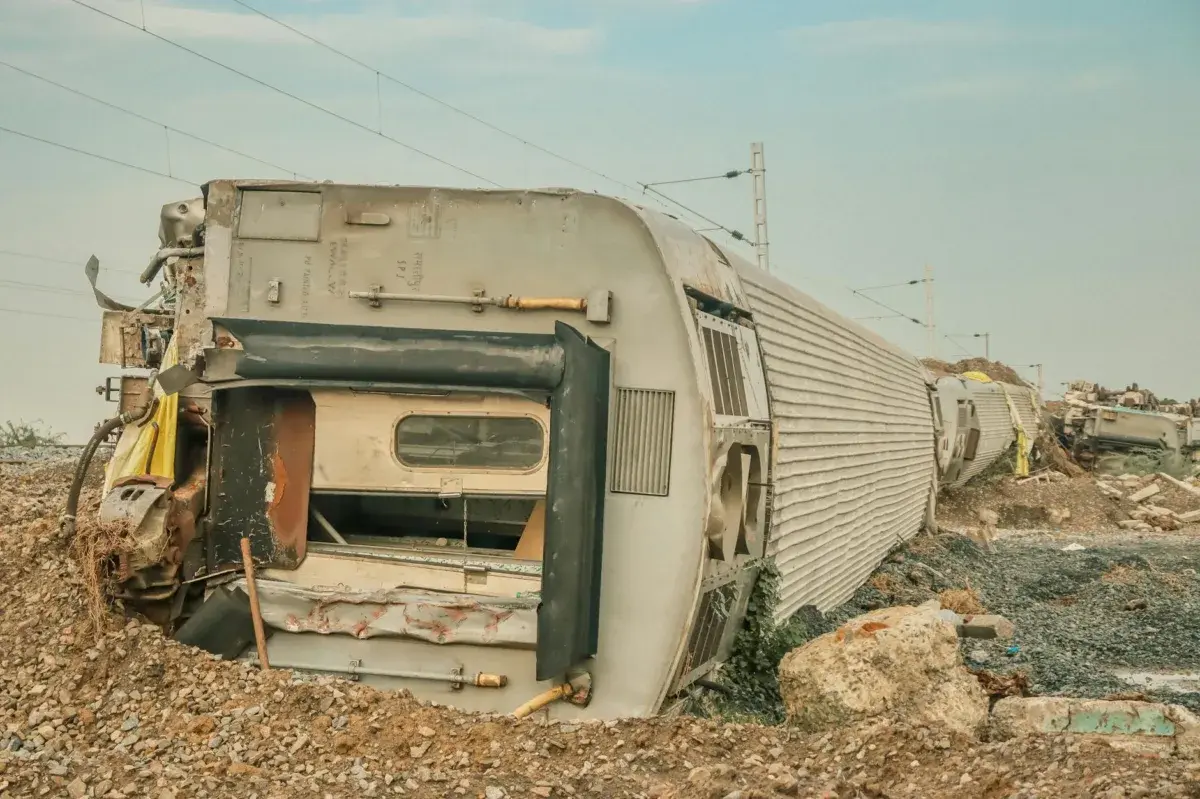
At least eight people were killed and over 20 others sustained injuries on Wednesday morning when a freight train collided with a passenger bus in the Chachoengsao province, located on the outskirts of Bangkok, Thailand. Local emergency services and rescue teams were dispatched to the scene immediately following the impact, which occurred at an unguarded railway crossing, according to officials from the provincial disaster prevention office.
The Context of Railway Safety in Thailand
Thailand’s railway network, while extensive, has long struggled with safety concerns regarding its numerous road-level crossings. Many rural and suburban crossings remain without automatic gates or signal warnings, relying instead on driver vigilance to spot oncoming traffic. This infrastructure gap has historically led to a high frequency of accidents involving freight trains, which often require significantly longer braking distances than passenger vehicles.
Details of the Collision and Emergency Response
The incident took place while the bus, carrying a group of local workers, was attempting to cross the tracks during heavy morning traffic. Witnesses reported that the freight train struck the side of the bus with significant force, dragging the vehicle several meters along the track and causing it to catch fire upon impact. Responders arrived to find the bus severely mangled, with debris scattered across the tracks and adjacent vegetation.
Emergency medical personnel have transported the injured to nearby hospitals, where several victims remain in critical condition. Authorities have initiated a formal investigation into the circumstances surrounding the crash, focusing on whether the bus driver failed to notice the approaching train or if visibility was compromised by environmental factors. The State Railway of Thailand has pledged to cooperate fully with the investigation to determine the exact sequence of events.
Expert Perspectives and Statistical Trends
Transport safety experts have noted that the absence of physical barriers at level crossings is a systemic issue that requires urgent modernization. Data from the Thai Ministry of Transport suggests that there are thousands of unauthorized or unprotected crossings across the country, creating a persistent risk for commuters. While the government has previously allocated funds to upgrade signaling systems, the pace of implementation remains a point of contention for public safety advocates.
Future Implications for Transit Infrastructure
The tragedy is expected to reignite national debates regarding the prioritization of public transit safety and the need for stricter enforcement at railway crossings. Industry analysts suggest that the government will likely face increased pressure to accelerate the installation of automated boom gates and warning lights in high-traffic rural areas. Stakeholders will be watching closely to see if the Ministry of Transport announces immediate policy shifts or accelerated infrastructure spending in the wake of this disaster.