







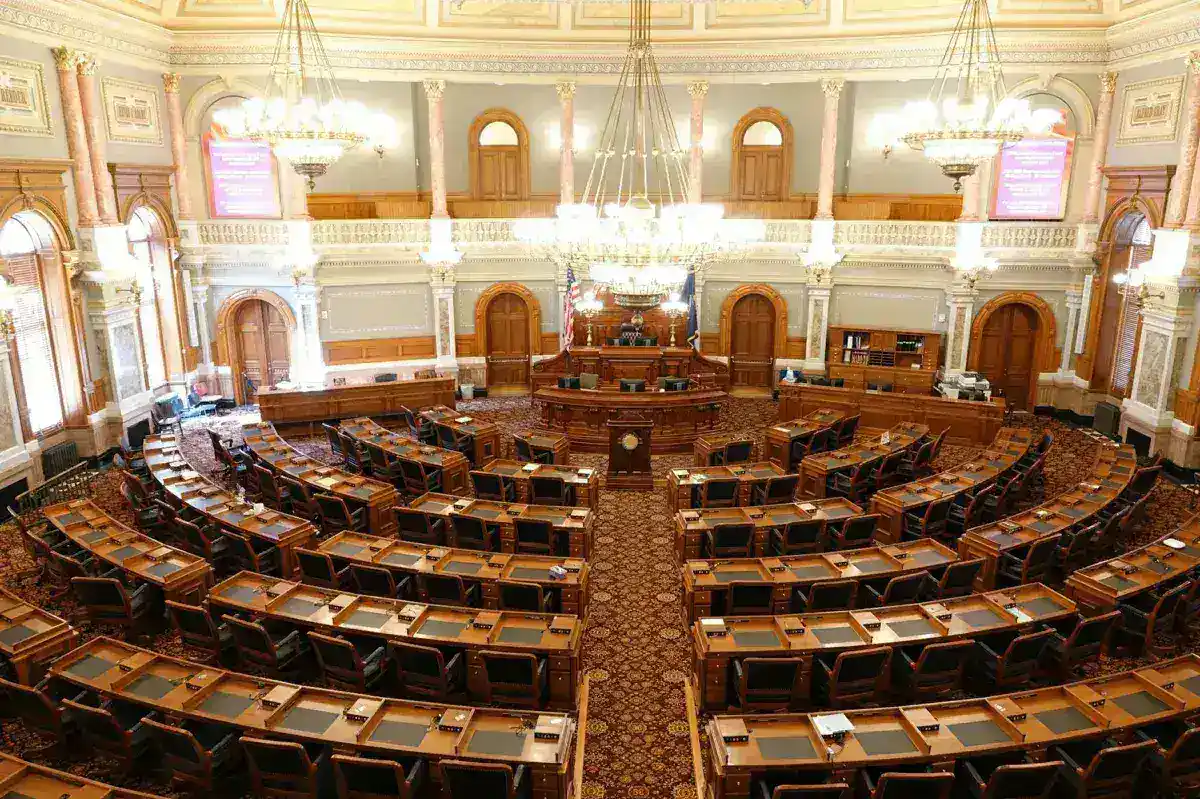
In a significant legislative setback for national Republican interests, the South Carolina Senate voted on Tuesday to block a procedural measure that would have facilitated a contentious redrawing of the state’s congressional map. The failure to secure the necessary two-thirds majority prevents lawmakers from extending the redistricting process beyond the conclusion of the current legislative session this week, complicating efforts to alter the district currently held by Representative Jim Clyburn.
The Legislative Impasse
The vote highlights a growing friction between state-level lawmakers and national party leadership. Five Republican senators joined the full Democratic caucus to defeat the motion, effectively stalling a process that had garnered vocal support from former President Donald Trump.
While Republican Governor Henry McMaster holds the authority to convene a special session to force the issue, his office has signaled hesitation toward that path. The defeat of the motion marks a rare moment of defiance against pressure from the national GOP, which has sought to eliminate the state’s sole Democratic congressional district ahead of the upcoming midterm elections.
Internal GOP Resistance
Senate Majority Leader Shane Massey emerged as the central figure in the resistance, despite receiving direct calls from the former president. During his floor speech, Massey emphasized that his opposition was a matter of principle rather than partisan strategy, noting that he accepted the potential political consequences of his dissent.
Massey explicitly criticized the national party for prioritizing short-term gains over long-term institutional stability. He warned that completely purging Democrats from the state’s congressional delegation could diminish South Carolina’s political leverage during future administrations, arguing that a more balanced delegation ensures the state maintains influence regardless of which party controls the White House.
National Context and Implications
This development in Columbia reflects a broader trend of state-level pushback against national redistricting mandates. Last year, GOP lawmakers in states including Indiana, Kansas, and Kentucky similarly resisted external pressure to redraw House lines, despite some legislators facing electoral retaliation in subsequent primaries.
However, the landscape remains volatile as other states move in the opposite direction. Following recent Supreme Court decisions that provided a more favorable legal environment for redistricting, other southern states are actively exploring map changes. For instance, Alabama was recently cleared to modify its district boundaries, and Mississippi leadership has expressed interest in utilizing special sessions to address their own electoral maps.
Looking Ahead
The immediate future of South Carolina’s congressional map remains in flux. While the Tuesday vote provides a temporary reprieve for the existing district structure, the possibility of an executive-led special session looms over the state capital. Observers will be monitoring whether Governor McMaster faces renewed pressure from national donors and party strategists to override the Senate’s decision.
Should the redistricting effort remain stalled, the focus will likely shift to the primary election cycle and the subsequent general election, where the current district lines will remain in effect. The standoff serves as a bellwether for the limits of national party influence over state legislative autonomy, a dynamic that will likely play out in other states as the national redistricting cycle continues to evolve.