








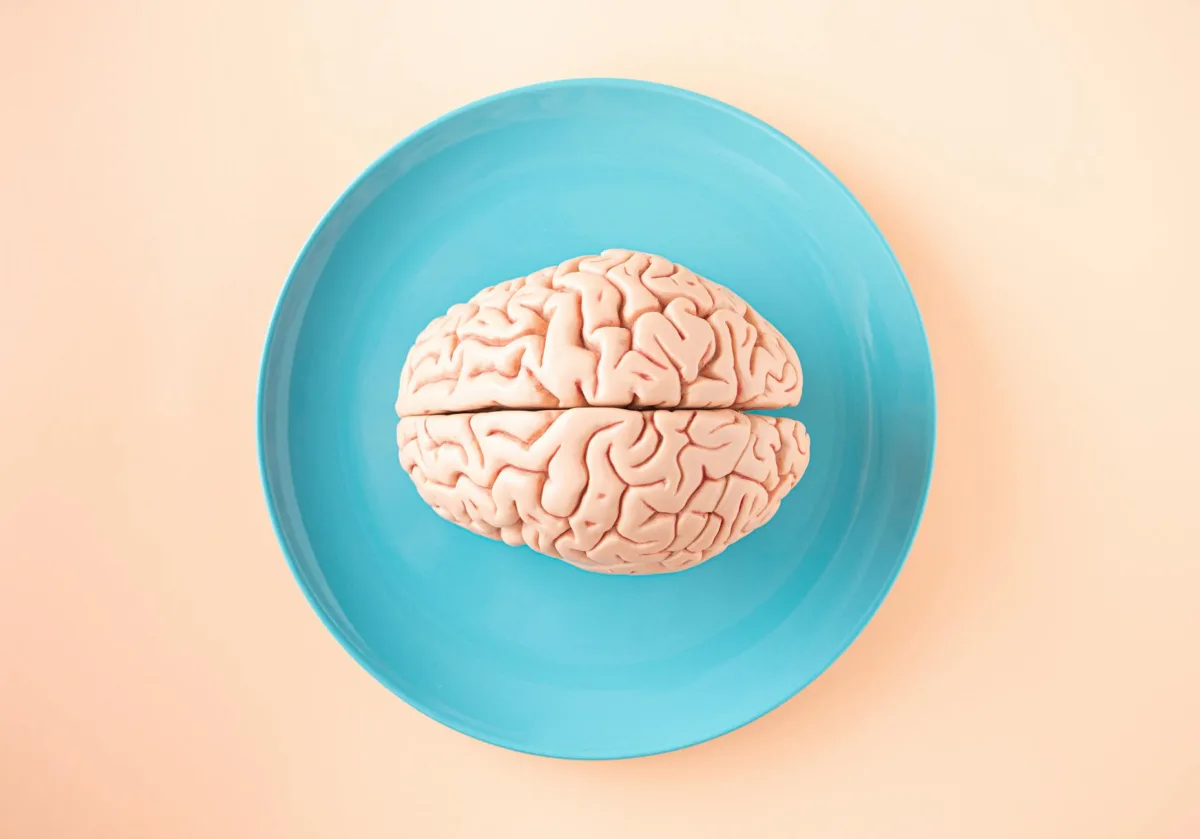
Emerging research from institutions including MicrobioTx and Psychiatric Times confirms a profound, bidirectional link between the human gut microbiome and neurological health, fundamentally shifting how medical professionals approach anxiety, depression, and cognitive focus in 2026.
For decades, mental health treatment focused almost exclusively on brain chemistry and neurotransmitter regulation. However, new clinical data suggests that the trillions of microorganisms residing in the digestive tract serve as a primary command center for emotional regulation and systemic inflammation.
The Science of the Gut-Brain Axis
The gut-brain axis functions as a complex communication network linking the enteric nervous system with the central nervous system. This pathway relies on the vagus nerve and the production of neuroactive compounds, such as serotonin and dopamine, which are synthesized in significant quantities within the gastrointestinal tract.
Leading researchers now argue that an imbalance in microbial diversity, known as dysbiosis, can trigger chronic systemic inflammation. This physiological stress is increasingly cited as a precursor to mood disorders, suggesting that the root of many psychological conditions may reside in the abdomen rather than the cranium.
Dietary Impacts on Mental Resilience
Recent studies published in journals like Luxurious Magazine highlight a concerning trend: many processed foods marketed as “healthy” may inadvertently disrupt gut flora. High-sugar diets, artificial sweeteners, and synthetic emulsifiers are being investigated for their capacity to alter the composition of the microbiome, potentially exacerbating symptoms of anxiety and cognitive fog.
Top-tier scientists emphasize that dietary interventions serve as a foundational pillar for mental health management. Adopting a fiber-rich, whole-food diet is no longer viewed merely as a strategy for physical weight management, but as a critical therapeutic protocol for protecting neurological integrity.
Expert Perspectives and Clinical Implications
Data from the latest clinical reviews indicates that personalized nutrition plans, tailored to an individual’s specific microbial profile, demonstrate higher success rates in mood stabilization than generalized dietary recommendations. This shift towards “microbiome-informed psychiatry” marks a significant departure from traditional pharmaceutical-only models.
The economic and social implications for the healthcare industry are substantial. By prioritizing gut health, clinics are beginning to see reduced reliance on long-term antidepressant use, provided patients maintain strict adherence to microbiome-friendly dietary guidelines and probiotic supplementation.
Future Trends in Neuro-Nutrition
Looking ahead, the integration of microbiome testing into standard mental health screenings is expected to become the industry standard. As diagnostic tools become more precise, clinicians will likely move toward prescribing specific prebiotics and fermented foods as standard adjunct treatments for patients presenting with clinical depression.
Observers should watch for the development of “psychobiotics”—specialized probiotic strains engineered to target specific neurological pathways. As this field matures, the distinction between gastroenterology and psychiatry will continue to blur, necessitating a more holistic, whole-body approach to mental wellness.


