






Strategic Shifts in the Middle East
In a significant escalation of regional tensions, military forces from the United Arab Emirates and Saudi Arabia have recently conducted a series of covert strikes against Iranian-linked targets, marking a decisive shift in their approach toward Tehran. These operations, occurring throughout the latter half of this year, signal an aggressive attempt by Gulf nations to re-establish regional deterrence against an Iranian regime that has secured newfound leverage through its network of regional proxies.
For years, the Gulf Cooperation Council (GCC) states maintained a policy of uneasy coexistence, prioritizing economic stability over direct military friction. However, the calculus has fundamentally changed as Iran’s influence has expanded across Yemen, Iraq, and Lebanon, and its ballistic missile capabilities have become increasingly sophisticated. By transitioning from diplomatic hedging to direct, albeit covert, kinetic action, Riyadh and Abu Dhabi are signaling that the era of passive containment is over.
The Erosion of the Status Quo
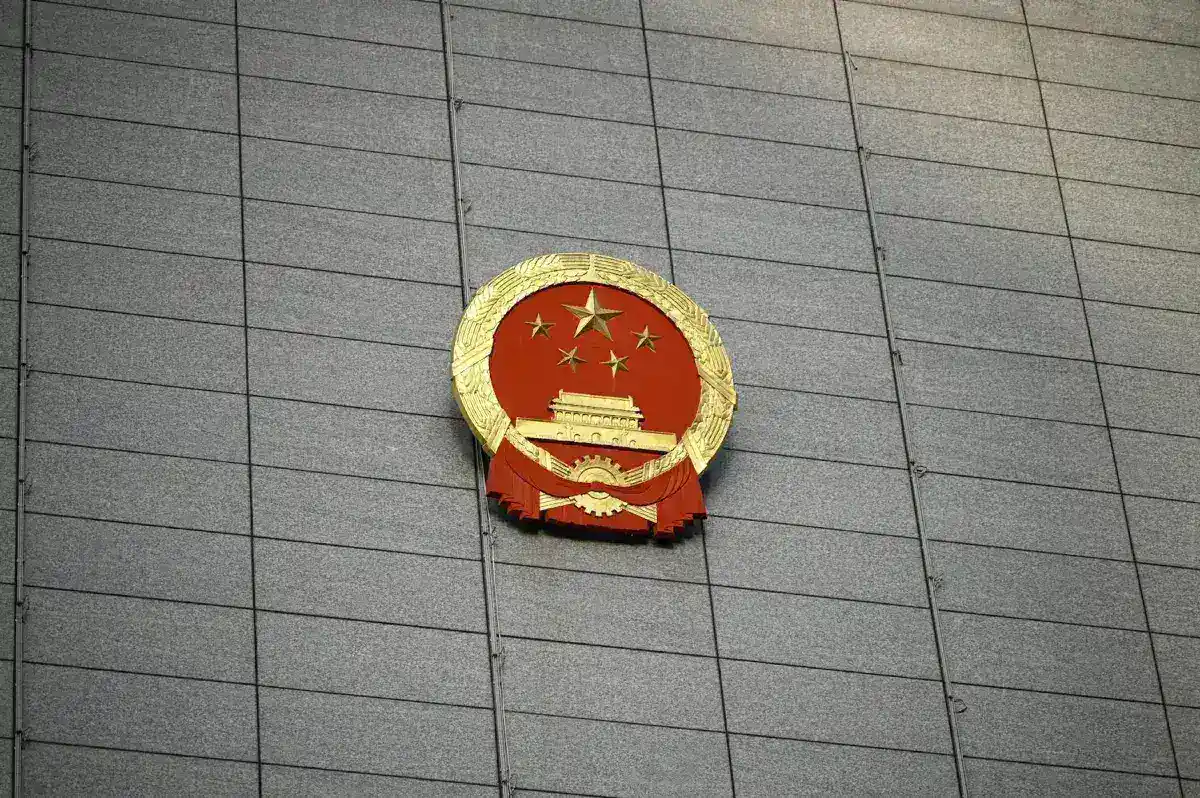
The geopolitical landscape of the Middle East has undergone a radical transformation since the 2020 Abraham Accords and the subsequent, albeit fragile, rapprochement between Saudi Arabia and Iran brokered by China in 2023. While the diplomatic thaw was intended to lower the temperature, it failed to address the underlying security dilemmas regarding Iran’s regional military footprint.
Intelligence reports indicate that the recent strikes were calibrated to degrade specific Iranian logistical hubs used to supply advanced weaponry to groups like the Houthis in Yemen. By targeting these supply lines directly, Saudi and Emirati planners aim to disrupt the flow of drone technology and precision-guided munitions that have previously threatened their critical energy infrastructure and civilian centers.
The Mechanics of Modern Deterrence
Military analysts suggest that these strikes represent a ‘gray zone’ strategy, designed to impose costs on Iran without triggering a full-scale conventional war. This approach relies on high-precision intelligence and the use of stand-off munitions that minimize the footprint of the attacking forces. It is a calculated risk; by demonstrating the capability to strike deep into Iranian-controlled logistics networks, the Gulf powers hope to force Tehran to reconsider the risks of its current regional posture.
Data from regional security think tanks suggests that Iran’s proxy network has become the primary instrument of its foreign policy, allowing it to project power while maintaining a degree of plausible deniability. According to the International Institute for Strategic Studies, the proliferation of low-cost, high-impact drones has fundamentally altered the cost-benefit analysis for smaller regional states. The recent Gulf strikes are a direct response to this technological shift, seeking to destroy the hardware before it can be deployed.
Implications for Regional Stability
For the broader international community, these developments indicate that the Middle East remains a powder keg where diplomatic agreements are increasingly subordinate to shifting security realities. The shift towards direct intervention places immense pressure on the United States, which has long served as the regional security guarantor, to calibrate its support for its Gulf allies without becoming entangled in a direct conflict with Tehran.
Investors and global energy markets are watching these maneuvers closely, as any miscalculation could lead to a disruption in the Strait of Hormuz. The movement of oil tankers and the stability of regional energy infrastructure remain the primary variables determining the global economic impact of these hostilities. As the Gulf states assert their sovereignty through force, the region faces a period of heightened volatility, with the potential for retaliatory cyber-attacks or maritime sabotage from Iranian-affiliated actors remaining high.
Looking ahead, the focus remains on whether these strikes will successfully deter Iranian aggression or trigger a cycle of escalation that neither side can easily control. Observers should monitor the frequency of maritime incidents in the Persian Gulf and the rhetoric emanating from Tehran, as these will be the primary indicators of whether the current strategy is yielding stability or inviting further conflict.