







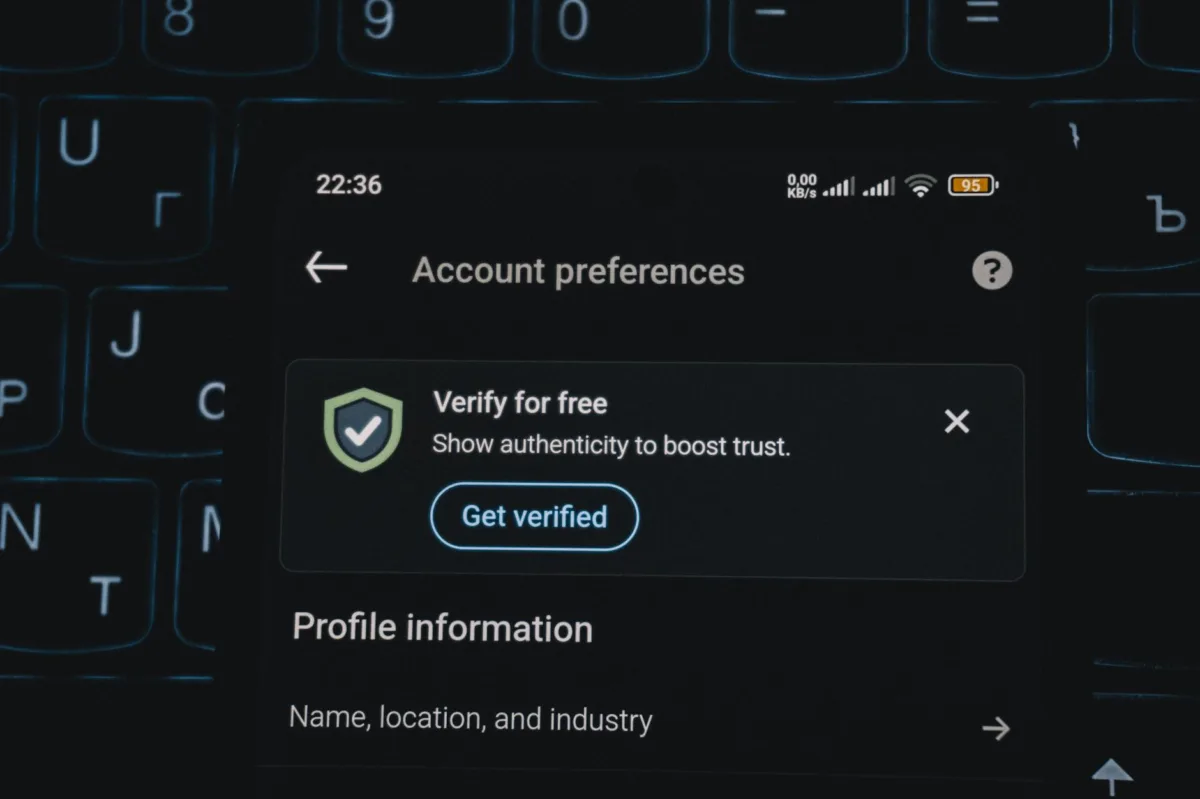
Google has implemented a significant shift in its account registration policy, restricting new users to 5GB of free cloud storage instead of the long-standing 15GB standard. This change, which began appearing for new Gmail accounts across various regions this week, requires users to link a verified phone number to their account to unlock the full 15GB capacity.
For over a decade, Google has offered 15GB of unified storage across Gmail, Google Drive, and Google Photos as a baseline for all users. This quota has served as a primary incentive for consumers to adopt the Google ecosystem, facilitating the transition of personal data into cloud-based workflows.
The Rationale Behind the Storage Tiering
Google has clarified that this adjustment is primarily a security and anti-abuse measure. By requiring a phone number for the full storage tier, the company aims to curb the creation of automated bot accounts and mass-registration spam that has plagued its infrastructure.
Data from cybersecurity firms suggests that automated account creation often relies on anonymous email signups to distribute phishing content or host malicious files. By introducing a friction point—the verification of a mobile number—Google creates a barrier that significantly raises the cost for bad actors attempting to scale malicious operations.
Industry Context and Security Trends
This move aligns with broader industry trends where major technology companies are prioritizing account verification over frictionless signups. As cloud storage becomes a critical commodity for digital identity, providers are increasingly forced to balance accessibility with platform integrity.
“The proliferation of bot-driven traffic has forced providers to reconsider how they grant high-value assets like free cloud storage,” noted a digital security analyst. “Linking a phone number acts as a proxy for human verification, which is becoming the gold standard for maintaining platform health.”
Implications for Users and Industry
For the average user, this policy change emphasizes the growing importance of mobile integration in digital services. Individuals who prioritize privacy and prefer not to link phone numbers to their email accounts may find themselves limited to the smaller 5GB tier, potentially forcing them to manage their storage usage more aggressively from the start.
The impact is likely to be felt most acutely in emerging markets, where mobile accessibility and phone number verification processes can vary significantly. If this policy expands globally, it may alter how small businesses and students onboard onto Google Workspace, as these groups often rely heavily on the free tier to manage initial document and email loads.
Looking ahead, industry observers are watching to see if competitors like Microsoft or Apple follow suit with similar verification-based storage tiers. As the cost of maintaining massive data centers rises, companies will likely continue to search for ways to maximize storage efficiency while filtering out non-human traffic. Whether this policy leads to a decrease in spam or simply drives users toward alternative, less-restrictive platforms remains a key question for the coming year.