






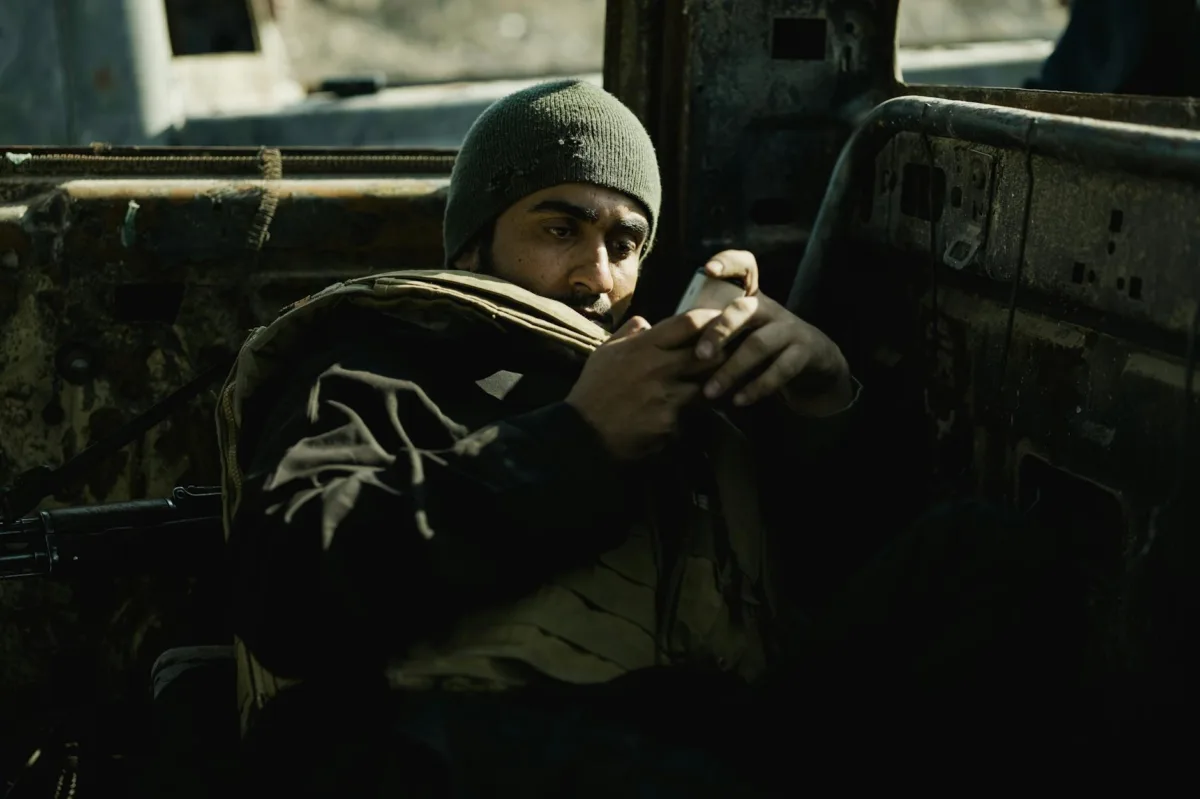
In an unprecedented shift in modern warfare, the role of the military sniper is facing existential obsolescence due to the rapid proliferation of low-cost, high-precision drone technology on the front lines of the Ukraine conflict. As of early 2024, veteran long-range marksmen who once defined tactical dominance are finding themselves sidelined, with some elite soldiers reporting they have not fired a rifle in a combat capacity for over a year, preferring instead to operate unmanned aerial systems (UAS) to neutralize threats.
The Evolution of Precision Warfare
For decades, the sniper was the ultimate force multiplier, providing reconnaissance and precision lethality while remaining undetected. Today, the battlefield is saturated with thermal-imaging drones that strip away the cover and concealment that snipers rely on for survival.
The integration of first-person view (FPV) drones has transformed the tactical landscape, allowing operators to strike targets from miles away with pinpoint accuracy. Unlike a traditional sniper shot, which requires immense patience and proximity, drone strikes can be executed from a bunker or a mobile command center, significantly reducing the physical risk to the operator.
Shifting Tactics and Technological Dominance
Military analysts suggest that the democratization of drone technology has fundamentally altered the cost-benefit analysis of traditional marksmanship. A single FPV drone, often costing less than $500, can effectively hunt down high-value targets that would previously have required a team of specialized personnel to track and engage.
Data from the ongoing conflict in Ukraine indicates that drone-assisted artillery and direct-strike munitions are responsible for an increasing percentage of infantry casualties. This shift has forced military doctrine to pivot toward electronic warfare and drone defense, as the vulnerability of exposed infantry—including snipers—has reached a historical peak.
Expert military observers note that while the sniper’s role in intelligence gathering remains relevant, the offensive capability of the profession is being cannibalized by autonomous systems. “The sniper is becoming a sensor, not a shooter,” noted one defense analyst, highlighting that the human element is increasingly focused on piloting rather than pulling a trigger.
Implications for Global Defense
For the defense industry, this transition signals a move away from specialized, high-cost long-range rifles toward investment in portable, AI-integrated drone swarms. Military training programs worldwide are already beginning to reflect this, with an increasing emphasis on UAS operation and counter-drone tactics over traditional ballistics training.
The implications for future conflicts are clear: the battlefield is becoming a domain of constant surveillance where static positions are death traps. As drone technology continues to miniaturize and incorporate autonomous target acquisition, the traditional human-in-the-loop sniper may soon be relegated to a specialized niche rather than an essential component of infantry operations.
Looking ahead, observers should watch for the development of “counter-sniper” drone swarms designed specifically to hunt and neutralize enemy marksmen before they can establish a firing position. As the military-industrial complex races to integrate autonomous drone capabilities into standard infantry kits, the era of the lone wolf sniper may be drawing to a close in favor of the networked drone operator.