








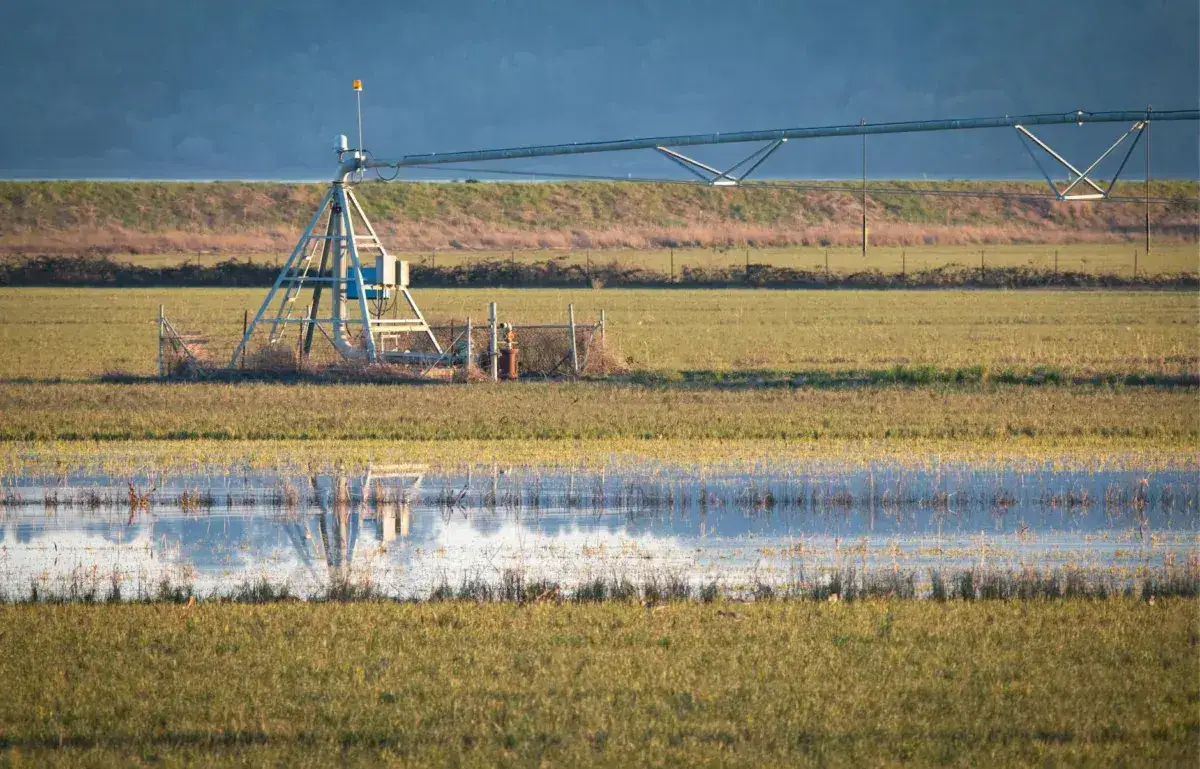
Farmers across Hawaii are grappling with the aftermath of the most catastrophic flooding events in decades, which have decimated crops, destroyed critical infrastructure, and created significant supply shortages in local produce markets. The severe weather system, which struck the islands throughout the past week, caused widespread landslides and inundated low-lying agricultural zones, leaving producers struggling to salvage what remains of their harvest.
Contextualizing the Agricultural Impact
Hawaii’s agricultural landscape is uniquely vulnerable to extreme weather due to its reliance on small-scale, diversified farms that often sit in flood-prone valleys. This recent deluge follows a period of unpredictable climate patterns that have already strained the state’s food security initiatives. According to data from the Hawaii Department of Agriculture, local farms provide a vital buffer against the high costs of imported goods, making the current destruction a matter of both economic and nutritional concern for residents.
Devastation Across the Island Chain
The damage reports vary by region, but the impact remains universally severe for those in the path of the storm. In many districts, topsoil has been washed away, and irrigation systems—essential for the state’s intensive vegetable production—have been rendered non-functional by debris and mud. Farmers who specialize in leafy greens and tomatoes have reported near-total losses, forcing many to halt operations while they assess the financial viability of replanting.
Local markets are already reflecting this shortfall, with retailers noting a sharp decline in the availability of locally grown produce. This scarcity is driving up prices, as vendors are forced to turn to mainland imports to fill the void. The logistical challenge is compounded by damaged rural roads, which have hampered the ability of farmers to move even their salvaged goods to distribution hubs.
Expert Perspectives on Climate Resilience
Agricultural economists point to this event as a bellwether for the challenges facing island agriculture in an era of climate instability. “We are witnessing a compounding effect where infrastructure cannot keep pace with the intensity of these weather events,” noted an analyst from the University of Hawaii’s College of Tropical Agriculture and Human Resources. “The resilience of the local food system is being tested in ways that require a fundamental rethink of land management and flood mitigation strategies.”
Industry experts suggest that while federal disaster assistance programs are in place, the bureaucratic process often moves too slowly for small operators facing immediate bankruptcy. The loss of specialized equipment and livestock in the flooded areas further complicates the recovery timeline, with some experts predicting that market supply levels may not stabilize for several months.
Industry Implications and Future Outlook
For the average consumer, this crisis signals a period of higher prices and limited variety at the grocery store. The industry now faces a pivotal moment, as farmers and policymakers debate the necessity of investing in climate-hardened agricultural infrastructure, such as elevated planting beds and improved drainage networks. Looking ahead, stakeholders will be monitoring state-level relief funding and the potential for crop insurance reforms to help mitigate future risks. Observers should watch for upcoming emergency legislative sessions aimed at providing immediate grants to small-scale farmers to ensure the survival of the upcoming planting season.