








Tata Consultancy Services (TCS) CEO K. Krithivasan announced this week that the firm is aggressively pursuing the title of the world’s largest artificial intelligence technology provider, having already onboarded 130 major clients onto its AI-driven platforms. The Mumbai-headquartered IT giant is leveraging its massive scale to integrate generative AI across enterprise operations, signaling a pivotal shift in its long-term growth strategy.
Building an Industry-Specific AI Backbone
The company is moving beyond general-purpose AI tools to focus on developing industry-specific systems tailored to the unique regulatory and operational needs of its diverse client base. By building verticalized AI solutions, TCS aims to solve complex business problems in sectors ranging from banking and healthcare to manufacturing.
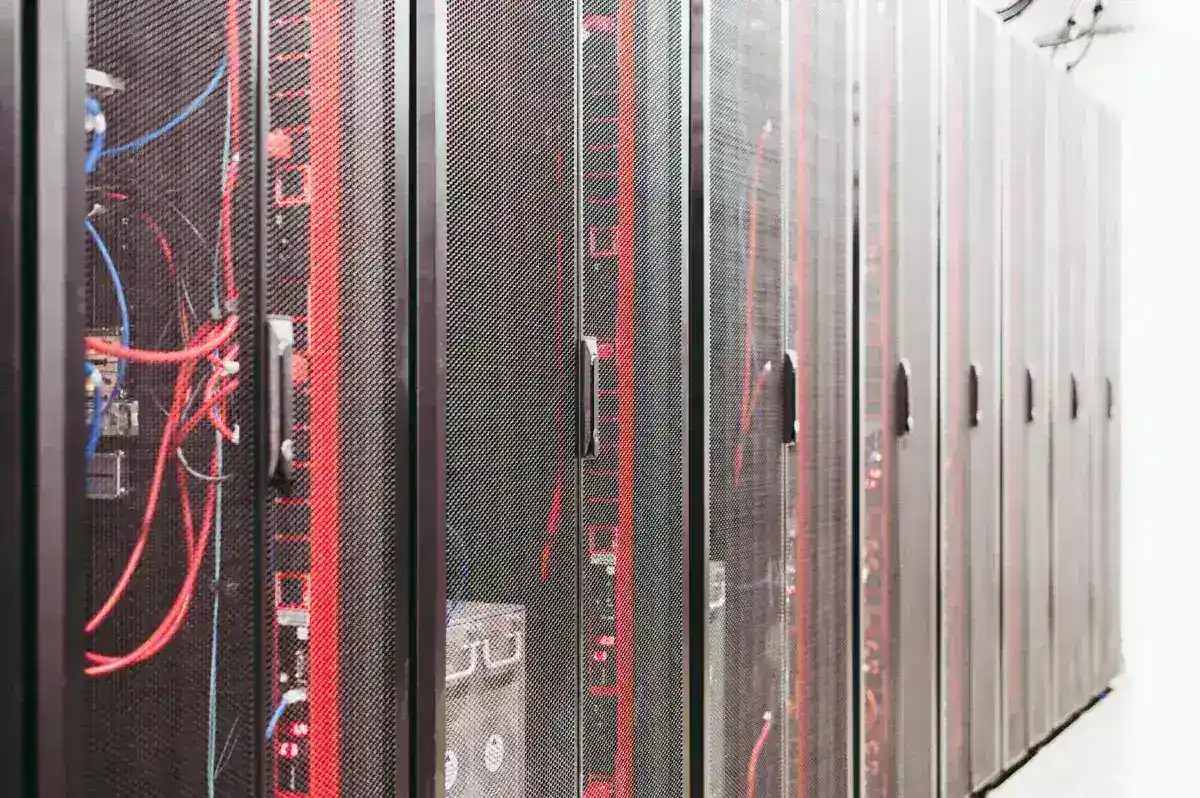
Company leadership, including Chairman N. Chandrasekaran, has highlighted an annualized AI pipeline now valued at approximately $2.3 billion. This investment is supported by the development of India’s first high-density AI data center, a critical infrastructure move designed to handle the massive computational loads required for modern machine learning models.
Data Centers and Infrastructure Scaling
The establishment of high-density data centers represents a calculated bet on the future of enterprise cloud computing. Industry analysts note that as companies move from experimental AI pilots to full-scale production, the demand for specialized, high-performance infrastructure is skyrocketing.
TCS is positioning its infrastructure as the primary “backbone” for global businesses looking to scale their digital transformation. By controlling the underlying hardware and software stack, the firm seeks to reduce latency and improve security for its enterprise clients.
Expert Perspectives and Market Impact
Market observers point out that TCS is utilizing its vast repository of historical enterprise data to train proprietary models. This strategic advantage allows the firm to offer insights that generic AI tools cannot replicate, providing a distinct competitive moat.
According to the company’s recent filings, the integration of AI is not merely an add-on service but a core component of its FY26 growth roadmap. Analysts suggest that this focus is essential to maintaining margins as traditional IT service models face increasing pressure from automation.
Implications for the Global IT Landscape
For the broader IT industry, the move by TCS signals a consolidation of power among the largest service providers. Smaller firms may find it increasingly difficult to compete without the capital required to build dedicated high-density AI infrastructure.
As the market matures, observers should watch for how TCS transitions its 130 current AI clients from pilot projects to full-scale revenue-generating deployments. The success of these implementations will likely serve as a bellwether for the entire enterprise AI sector in the coming fiscal year.