









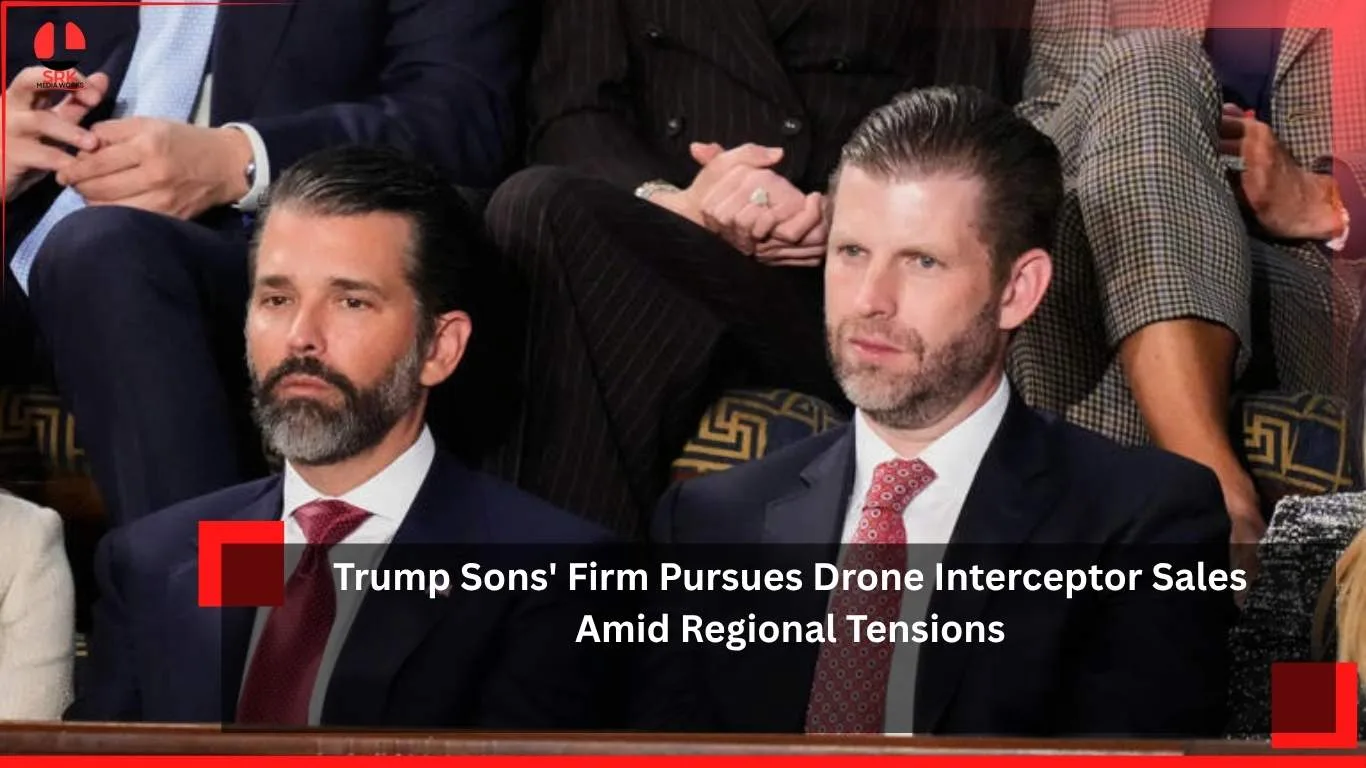
A firm linked to Donald Trump’s sons is reportedly pursuing sales of advanced drone interceptor systems, capitalizing on rising demand for aerial defense technology amid escalating regional tensions. The move highlights the growing importance of drone warfare and counter-drone solutions in modern military and security strategies. With conflicts across West Asia and other regions intensifying, the market for drone interceptors has expanded rapidly, creating opportunities for companies aligned with political and business elites.
Background of the Development
Drone warfare has become a defining feature of modern conflicts, with unmanned aerial vehicles (UAVs) used for surveillance, strikes, and logistics. In response, nations are investing heavily in counter-drone technologies to protect critical infrastructure, military assets, and civilian populations. The Trump-linked firm’s entry into this market underscores both the profitability and strategic importance of drone interceptors.
Key Highlights
- Trump Sons’ Firm: Actively pursuing contracts for drone interceptor systems.
- Regional Tensions: Heightened conflicts in West Asia and Eastern Europe driving demand.
- Technology Focus: Systems designed to detect, track, and neutralize hostile drones.
- Market Expansion: Global defense budgets increasingly allocate funds for counter-drone solutions.
Comparative Analysis of Drone Interceptor Market
| Year | Global Market Size (USD Billion) | Growth Rate | Key Drivers |
|---|---|---|---|
| 2024 | 12 | 15% | Rising drone attacks |
| 2025 | 15 | 18% | Increased defense spending |
| 2026 | 18 (projected) | 20% | Regional conflicts, tech innovation |
This comparative view shows the rapid growth of the drone interceptor market, driven by escalating threats.
Sector-Wise Impact of Drone Interceptor Sales
| Sector | Impact Level | Key Issues |
|---|---|---|
| Defense Industry | Very High | Expansion of counter-drone capabilities |
| Security | High | Protection of critical infrastructure |
| Diplomacy | Medium | Arms sales influencing geopolitical relations |
| Economy | Medium | Profitable contracts, job creation |
| Public Perception | High | Concerns about militarization and ethics |
Analytical Pivot
| Year | Regional Conflict Status | Drone Usage | Counter-Drone Demand |
|---|---|---|---|
| 2024 | Moderate tensions | Surveillance, limited strikes | Growing interest |
| 2025 | Escalating conflicts | Expanded drone warfare | High demand |
| 2026 | Intense regional instability | Widespread drone deployment | Peak demand |
This pivot analysis highlights how rising conflicts directly fuel demand for drone interceptors.
Technology Overview
Drone interceptor systems typically include:
- Radar and Sensor Networks: Detect incoming UAVs.
- Electronic Warfare Tools: Jam or disable drone communications.
- Kinetic Solutions: Missiles or projectiles to destroy drones.
- Directed Energy Weapons: Emerging technologies like lasers for precision neutralization.
International Reactions
- Defense Analysts: Note that the Trump-linked firm’s involvement could influence U.S. foreign policy perceptions.
- Global Competitors: Companies in Israel, Turkey, and Europe are also vying for contracts.
- Human Rights Groups: Raise concerns about the proliferation of military technology in volatile regions.
Possible Scenarios
- Successful Contracts: The firm secures deals, strengthening its position in the defense market.
- Geopolitical Scrutiny: Arms sales attract criticism and diplomatic challenges.
- Technological Innovation: Expansion into advanced systems like AI-driven interceptors.
Future Outlook
Experts predict that drone interceptor sales will continue to rise as conflicts intensify and UAV technology evolves. The Trump-linked firm’s pursuit of contracts positions it to benefit from this trend, though geopolitical scrutiny may complicate its path. The balance between profitability, ethics, and diplomacy will shape the future of the industry.
Conclusion
The Trump sons’ firm’s pursuit of drone interceptor sales amid regional tensions reflects the intersection of business, politics, and military technology. As drone warfare becomes increasingly prevalent, counter-drone solutions are essential for national security. The firm’s involvement underscores both the opportunities and challenges of operating in a rapidly evolving defense market.
Disclaimer
This article is intended for informational purposes only. The content reflects current geopolitical and defense industry developments based on publicly available information. Readers should not interpret this as verified fact or official policy guidance. While accuracy has been prioritized, future developments may alter the situation. Independent verification is recommended before drawing conclusions.