









A Resurgent Defense Hub
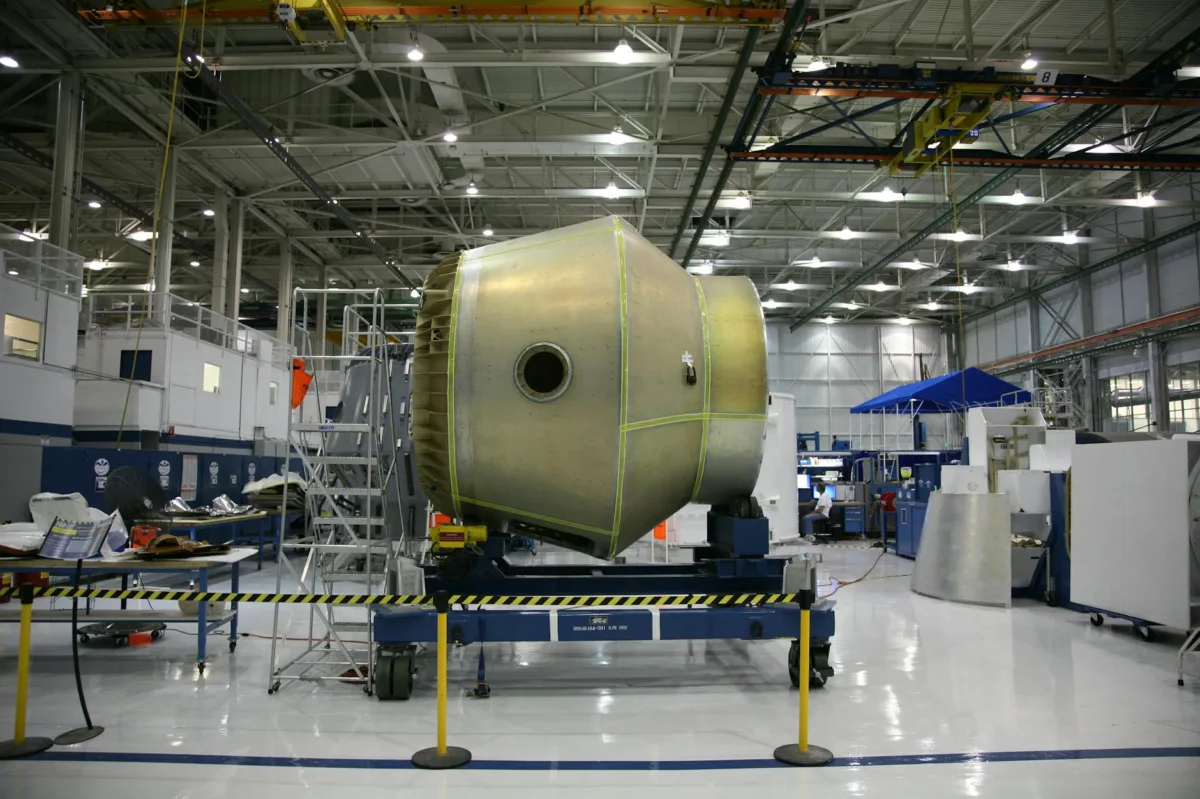
In the rural landscape of south-central Arkansas, the town of Camden is undergoing a profound economic transformation as it rapidly scales up production of critical missile systems to meet surging global demand. Throughout 2024, major defense contractors including Lockheed Martin and Aerojet Rocketdyne have significantly expanded their local manufacturing footprints, turning this quiet community into a vital pillar of the United States’ military supply chain.
The expansion is driven by the urgent need to replenish stockpiles depleted by international conflicts and the modernization of precision-guided munitions. As the Pentagon prioritizes high-volume production for systems like the Guided Multiple Launch Rocket System (GMLRS), Camden has become the epicenter of this industrial mobilization.
The Legacy of the Highland Industrial Park
Camden’s current prominence is rooted in its history as a strategic manufacturing site during the mid-20th century. The Highland Industrial Park, a sprawling site formerly used for munitions production during World War II, provides the necessary infrastructure and safety buffers for complex explosives and rocket motor assembly.
For decades, the town relied on a mix of forestry and light manufacturing, but the recent shift toward high-tech defense production has created a specialized labor market. The presence of these facilities allows for the localized integration of supply chains, keeping the design, development, and assembly of complex weaponry within a centralized geographic area.
Scaling Up the Workforce
The primary challenge for Camden’s defense industry is the rapid recruitment and training of a specialized workforce. Defense firms are collaborating with local institutions, such as the Southern Arkansas University Tech, to create accelerated certification programs in precision machining and aerospace manufacturing.
Industry data indicates that Lockheed Martin alone has increased its employee headcount in the region by thousands over the last three years. This influx of high-skilled labor has fundamentally altered the local economy, driving demand for housing and infrastructure improvements that were previously stagnant.
Strategic Implications for Global Defense
The surge in production has broader implications for international security and domestic industrial policy. By investing in regional manufacturing hubs like Camden, the U.S. government aims to reduce dependence on fragile international supply chains and ensure a steady output of munitions during protracted conflicts.
Analysts from the Center for Strategic and International Studies (CSIS) have noted that the ability to surge production is currently the single greatest bottleneck in Western defense strategy. Camden serves as the practical test case for whether the American industrial base can pivot from peacetime logistics to high-intensity wartime manufacturing.
Future Outlook and Industrial Resilience
Looking ahead, the focus for the region will shift toward long-term sustainability and the automation of manufacturing processes. As companies look to integrate artificial intelligence and robotics into the assembly of missile components, the demand for traditional manual labor may evolve into a need for high-level systems technicians.
Observers will be watching to see if this industrial boom creates lasting economic stability for the region or if it remains tethered to the cyclical nature of defense spending. The continued investment in local infrastructure and the expansion of the regional talent pipeline will be the key indicators of whether Camden cements its role as a permanent fixture in the global defense landscape.