







Tensions in the Persian Gulf have reached a critical inflection point this week as Iranian officials announced plans to implement a new regulatory “mechanism” for maritime traffic through the Strait of Hormuz. Following a series of warnings from President Donald Trump, who recently stated that the “clock is ticking” for Tehran, Iran’s leadership has declared that it will begin monitoring vessels and potentially collecting fees for transit through the vital oil chokepoint.
Context of the Maritime Dispute
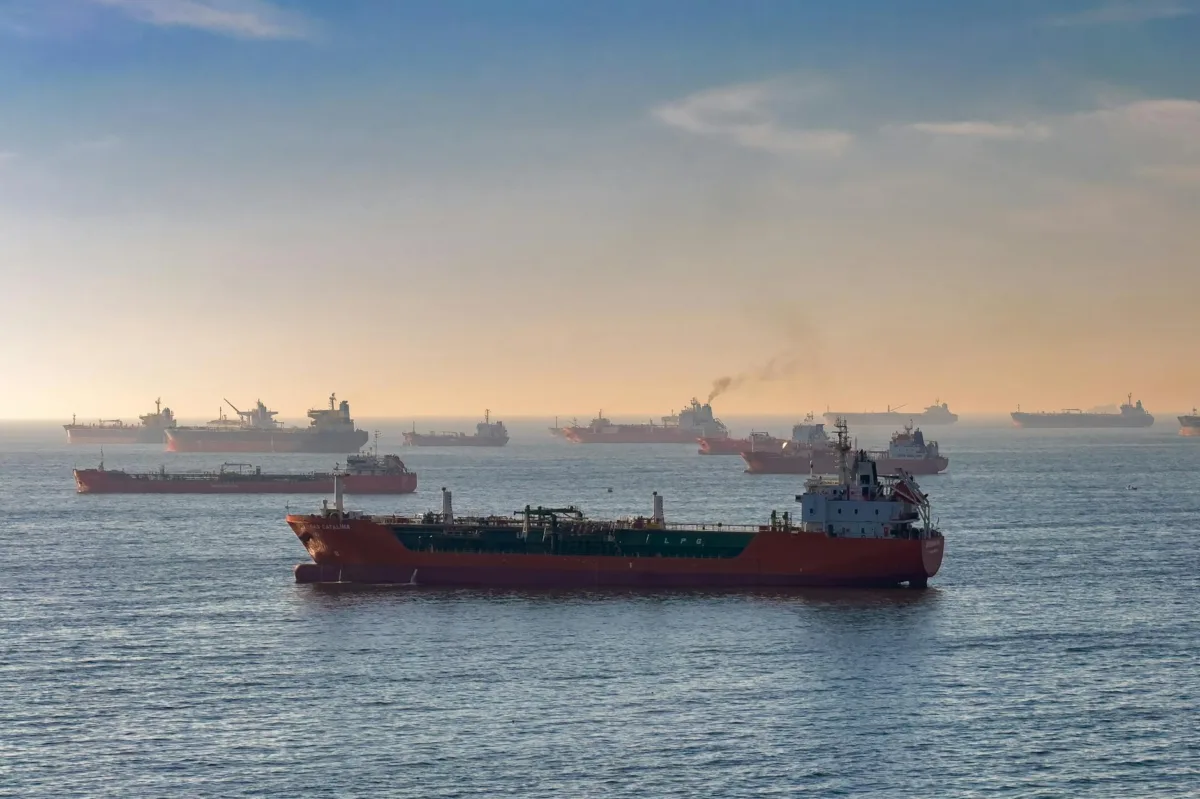
The Strait of Hormuz serves as the world’s most important oil transit chokepoint, with approximately 21 million barrels of oil—equivalent to about 21% of global petroleum liquids consumption—passing through the narrow waterway daily, according to the U.S. Energy Information Administration. For decades, the strait has remained a flashpoint for geopolitical friction, particularly as Iran faces mounting economic pressure from international sanctions.
The Proposed Transit Mechanism
Iranian parliamentary officials have signaled that the state intends to assert greater control over the waterway, citing national security concerns. The proposed plan suggests that all ships passing through the strait must cooperate with the Iranian Navy to ensure safe passage. Tehran has specifically stated that it aims to ban the transit of what it classifies as “enemy” weaponry, framing the new oversight as a necessary measure to protect regional stability.
Reports indicate that the Iranian government is preparing to formalize this process, moving beyond rhetoric into active implementation. By requiring vessels to interact with their naval forces, Tehran is effectively challenging the current international maritime status quo. This move is viewed by analysts as a strategic effort to exert leverage over Western powers, particularly the United States, by threatening the flow of global energy supplies.
Expert Perspectives and Geopolitical Analysis
Security analysts warn that unilateral attempts to regulate international waters could trigger a dangerous escalation in military posturing. The U.S. Navy maintains a significant presence in the region, tasked with ensuring the freedom of navigation for commercial and military vessels alike. Any attempt by Iran to seize or redirect commercial traffic would likely be met with a robust response from the U.S. Fifth Fleet, based in Bahrain.
“The imposition of a ‘fee-based’ or ‘cooperation-based’ system is a direct challenge to the United Nations Convention on the Law of the Sea,” noted one maritime security expert. “While Iran claims this is for security, the international community views it as a potential tool for economic coercion and a violation of the right of transit passage.”
Implications for Global Trade
The primary concern for global markets is the potential for a sudden spike in oil prices and shipping insurance premiums. If shipping companies are forced to navigate through an environment where they must pay fees or face potential boarding by Iranian forces, the cost of moving goods through the Persian Gulf will rise significantly. This could disrupt global supply chains already strained by inflationary pressures.
Looking ahead, observers should watch for how the U.S. and its regional allies coordinate their response to these announcements. The critical indicator to monitor will be whether Iran attempts to physically intercept a commercial tanker, an action that would fundamentally alter the security landscape of the Middle East. Diplomatic channels will be under intense pressure to prevent a localized maritime dispute from spiraling into a broader regional conflict.