








Security Breach at Barakah Facility
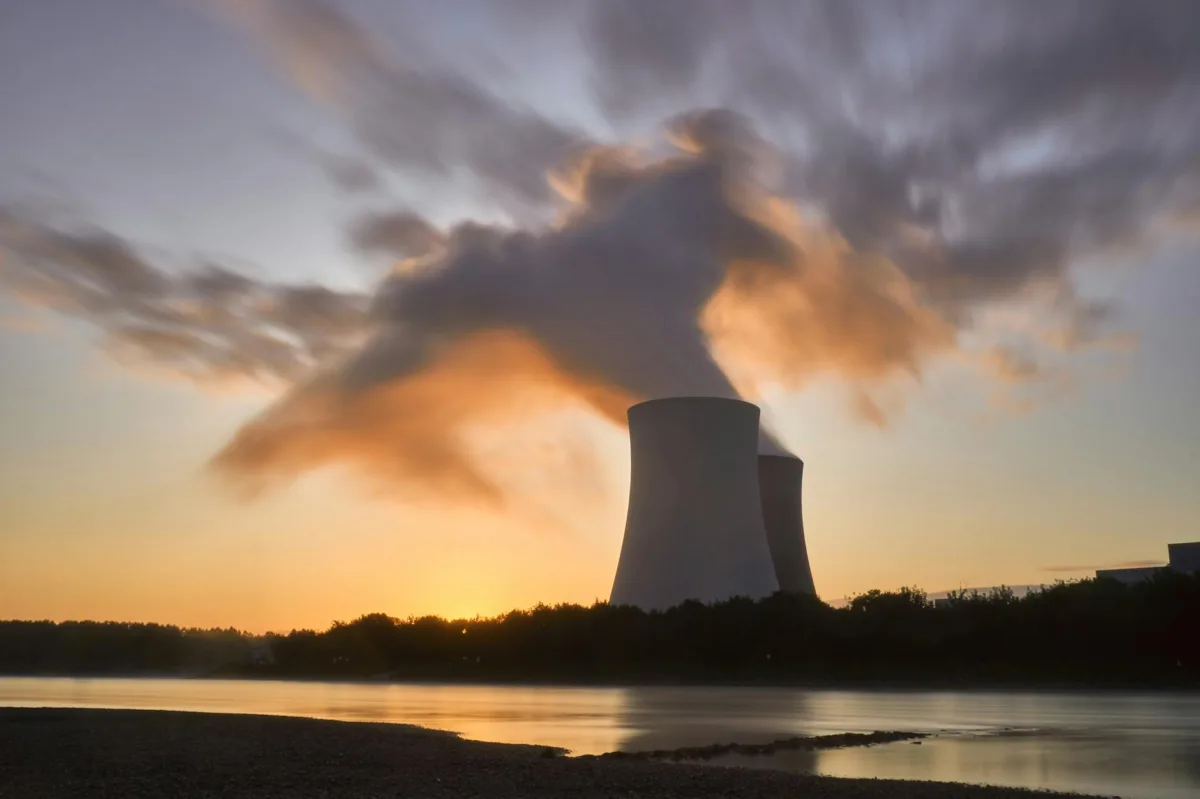
A drone strike targeted the vicinity of the Barakah Nuclear Power Plant in Abu Dhabi, United Arab Emirates, earlier today, resulting in a significant fire and raising urgent questions regarding regional security. Local authorities confirmed the incident occurred in the plant’s perimeter, marking a highly unusual and dangerous escalation in regional hostilities. While officials have not yet released a full assessment of the damage to the facility’s core infrastructure, the breach of one of the Middle East’s most critical energy sites has prompted immediate international concern.
Context of Regional Tensions
The Barakah Nuclear Power Plant, the first of its kind in the Arab world, has long been viewed as a symbol of the UAE’s transition toward clean energy and technological advancement. Located in the Al Dhafra region, the plant has been under intense security scrutiny since its inception due to its strategic importance. The incident follows months of heightened geopolitical friction in the Gulf, where drone and missile technology has increasingly become a tool for non-state actors and regional powers to project force.
The Nature of the Attack
Security analysts suggest that the use of unmanned aerial vehicles (UAVs) against high-value infrastructure represents a tactical shift in regional conflict. The strike has triggered an immediate response from Emirati defense forces, who are currently investigating the origin of the drone and the sophistication of its guidance systems. Preliminary reports from regional news outlets, including The Hindu and BBC, indicate that emergency services successfully contained the blaze, preventing direct damage to the reactors themselves.
Global and Regional Reactions
The international community has reacted with alarm, viewing the strike as a dangerous provocation that threatens global energy security. India’s Ministry of External Affairs issued a statement expressing deep concern, categorizing the event as a “dangerous escalation” that could destabilize the entire region. Experts point out that the vulnerability of nuclear infrastructure to low-cost, long-range drone technology necessitates a fundamental rethink of current defense strategies. According to energy security analysts at the International Atomic Energy Agency (IAEA), such facilities are typically hardened against traditional military strikes but face unique challenges from swarm-based or small-scale aerial incursions.
Industry and Security Implications
For the energy sector, this incident serves as a stark reminder of the risks associated with critical infrastructure in volatile zones. Industry leaders are now calling for enhanced anti-drone technology, including advanced radar detection and electronic jamming capabilities, to be integrated into the perimeter defense of power plants worldwide. Investors and stakeholders in the nuclear energy sector are closely monitoring the situation, as any perception of instability could impact future project viability and insurance premiums for similar facilities.
The Road Ahead
Looking forward, the focus will shift toward identifying the perpetrators and the potential for retaliatory measures. Observers are watching for any evidence linking the strike to specific regional actors, which could dictate the severity of the diplomatic fallout. In the coming weeks, the UAE is expected to bolster its air defense networks, while global energy markets will remain sensitive to any further threats against critical infrastructure in the Gulf.