









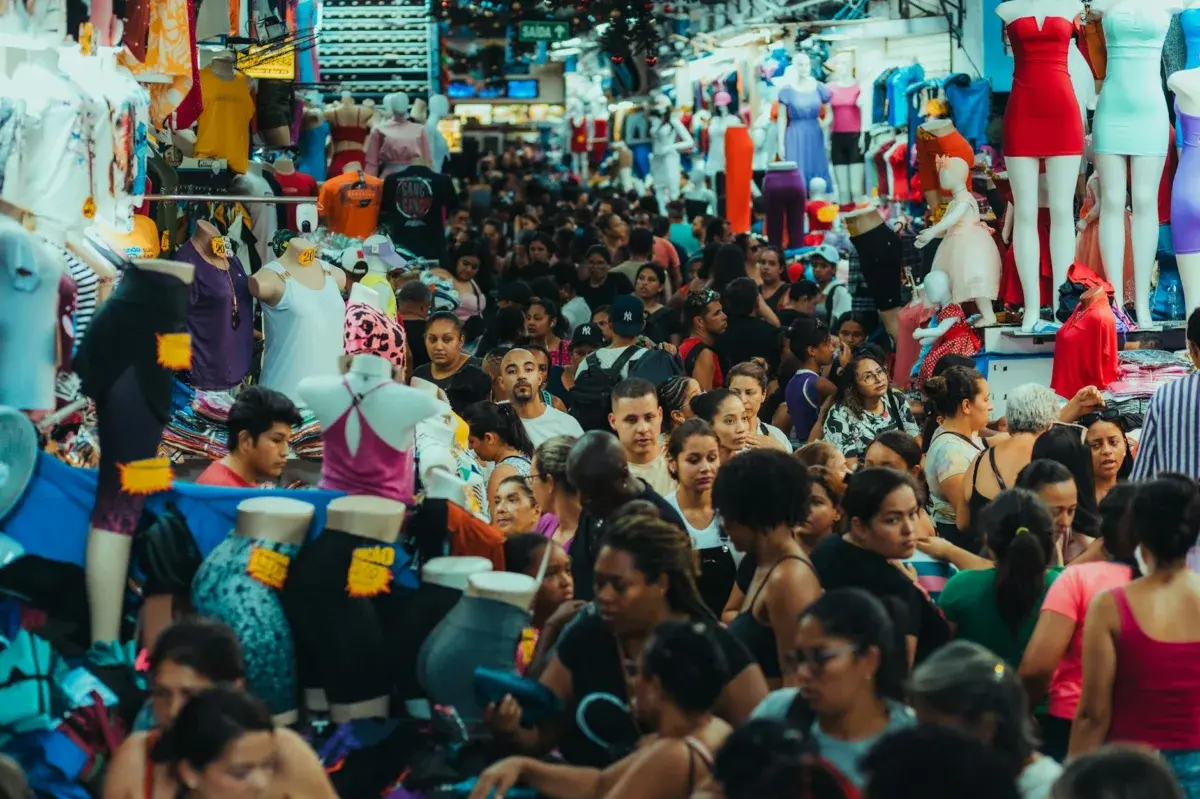
A Global Retail Frenzy
The highly anticipated launch of the ‘Royal Pop’ collaboration between Swatch and luxury horology brand Audemars Piguet descended into chaos this week, as thousands of shoppers overwhelmed retail locations in major cities across India, the United Kingdom, and the United States. Following reports of physical altercations, aggressive queuing, and safety concerns, Swatch officials were forced to shutter flagship stores in London, Manchester, Mumbai, and Delhi to prevent further injuries.
The Context of Collaborative Hype
The ‘Royal Pop’ collection represents a rare intersection of high-end luxury watchmaking and mass-market accessibility. By blending the iconic aesthetics of Audemars Piguet with Swatch’s signature playful design, the partnership created an unprecedented level of demand among collectors and resellers alike.
Previous collaborations, such as the ‘MoonSwatch’ series, established a blueprint for scarcity-driven marketing. However, the intensity surrounding the Royal Pop release has exceeded previous metrics, signaling a shift in how limited-edition luxury goods are perceived by the general public.
Anatomy of the Crowd Crisis
In Mumbai and Delhi, local authorities intervened as crowds reportedly became unmanageable, with witnesses describing the scene as ‘animalistic’ due to the sheer volume of people pushing against glass store fronts. Similar scenes unfolded in the UK, where police were called to manage queues that had formed over 24 hours before store openings.
Retail analysts note that the frenzy is driven primarily by the secondary market. With the watches retailing for approximately $400, speculators have identified significant resale potential, often listing the items for quadruple their retail value on digital marketplaces before the stock even hits the shelves.
Expert Perspectives on Retail Security
Security experts have criticized the lack of crowd control measures implemented for such a high-profile release. ‘When you combine artificial scarcity with high resale value, you create a volatile environment,’ said retail consultant Mark Sterling. ‘Companies must prioritize physical safety over the spectacle of a launch event.’
Data from the retail sector suggests that the ‘drop’ model, while effective for brand engagement, poses significant liabilities for brick-and-mortar stores. As incidents of store damage and staff intimidation rise, major brands are facing mounting pressure to move exclusively to digital raffle systems to mitigate physical risk.
Future Implications for Luxury Retail
The fallout from the Royal Pop launch serves as a stark warning for the luxury industry regarding the risks of experiential marketing. Brands are now expected to re-evaluate their physical release strategies, with many likely shifting toward lottery-based digital systems to maintain order.
Observers should watch for how Swatch and Audemars Piguet manage their public image following the security failures. The industry as a whole will be under scrutiny to determine whether the pursuit of viral marketing moments is worth the potential for widespread public disorder and reputational damage.