






New Restrictions Target Military-Linked Conglomerate
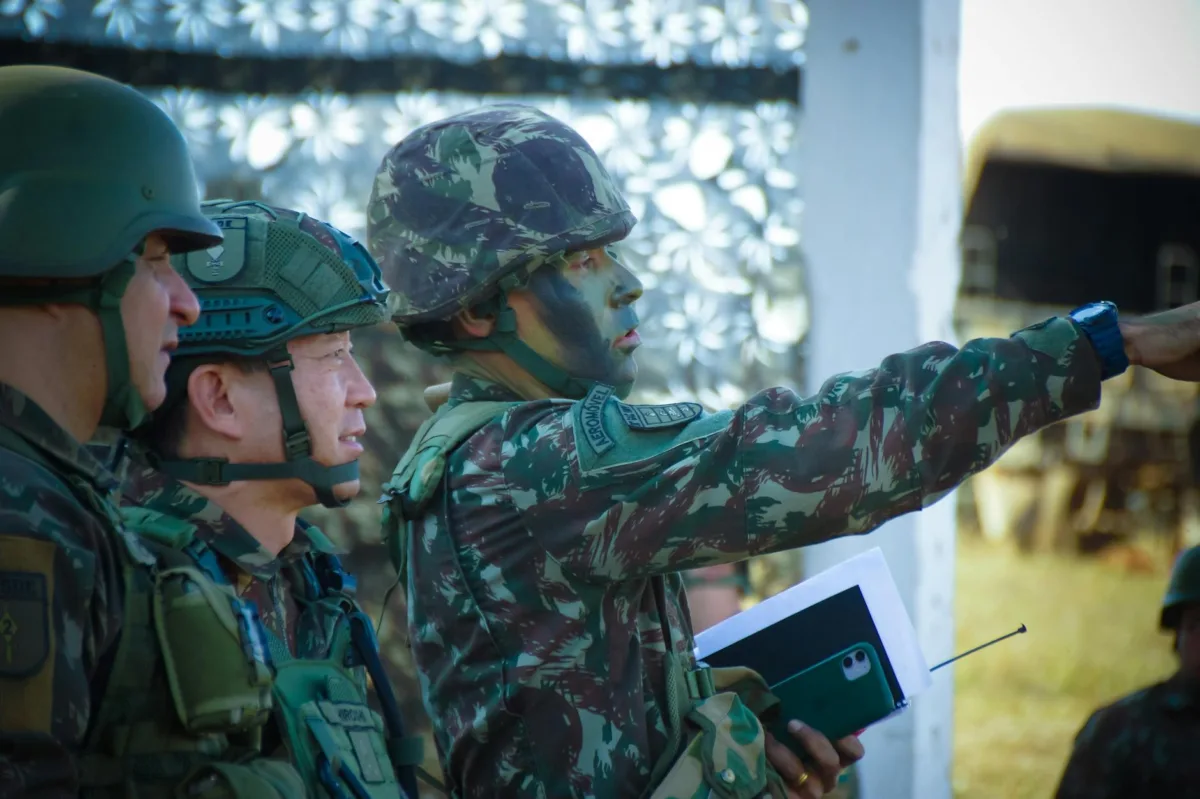
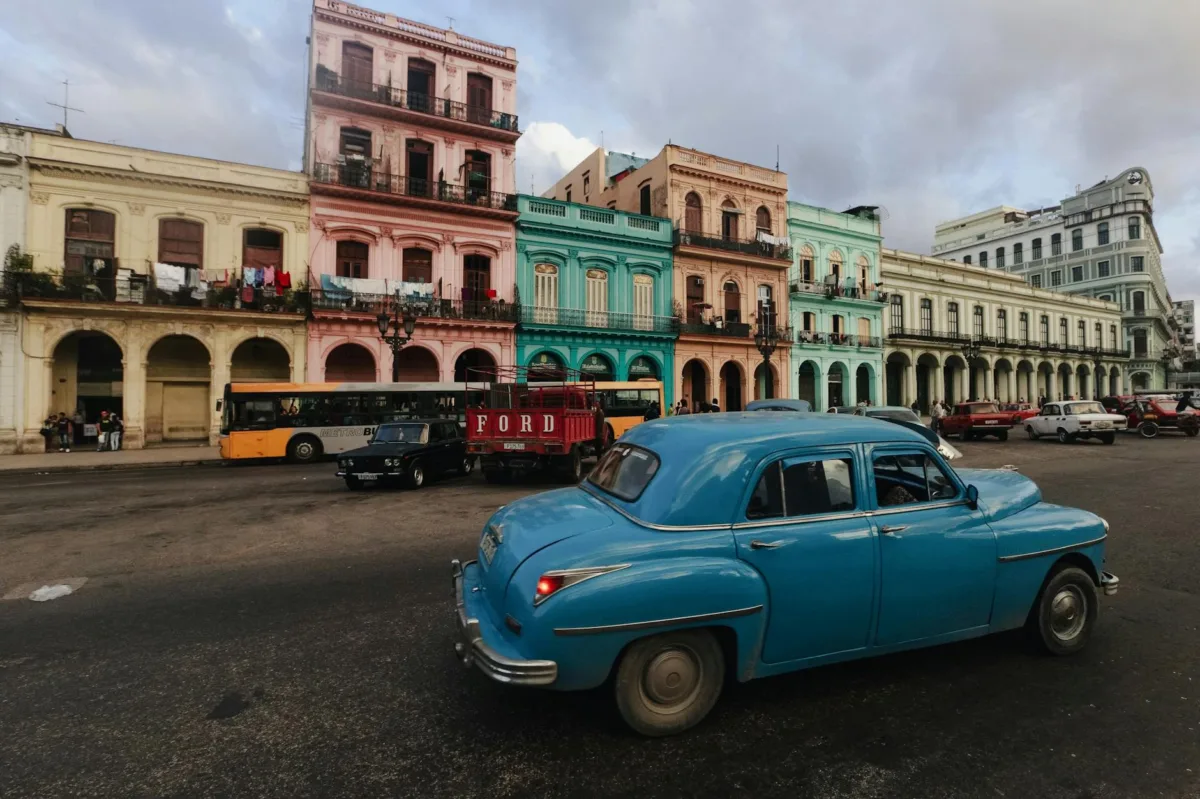
The United States government has intensified its economic pressure on Cuba this week by imposing new, targeted sanctions on Gaesa, the sprawling military-run conglomerate that exerts control over a significant portion of the Cuban economy. By restricting the financial operations of an entity deeply embedded in the island’s tourism, retail, and logistics sectors, Washington aims to curb the flow of hard currency to the Cuban government, citing concerns over human rights abuses and state-sponsored repression.
Understanding the Role of Gaesa
Gaesa, an acronym for Grupo de Administración Empresarial S.A., functions as the primary economic arm of the Cuban Revolutionary Armed Forces. Since its expansion in the early 1990s, the conglomerate has evolved into the dominant force in the national economy, managing everything from luxury hotels and foreign exchange shops to gas stations and import-export operations.
For decades, the organization has operated with limited transparency, effectively insulating the Cuban state from traditional market pressures. International analysts have long identified Gaesa as the critical link between global commerce and the Cuban military apparatus, making it a focal point for U.S. sanctions policy.
The Strategic Shift in Sanctions
This latest round of measures represents a pivot toward isolating the specific financial channels that sustain the Cuban leadership. Unlike broad trade embargoes of the past, these targeted sanctions utilize the U.S. Treasury Department’s authority to freeze assets and prohibit transactions involving entities deemed to be supporting authoritarian rule.
“Targeting Gaesa strikes at the core of the regime’s financial infrastructure,” says Dr. Elena Rodriguez, a senior fellow at the Institute for Hemispheric Studies. “By cutting off access to international banking systems for this specific group, the U.S. is attempting to force a change in the regime’s calculus without collapsing the entire civilian economy.”
However, critics of the policy argue that the economic burden falls disproportionately on the Cuban people. Data from the Economic Commission for Latin America and the Caribbean (ECLAC) suggests that the tightening of sanctions coincides with a period of severe inflation and scarcity of basic goods on the island, complicating the delivery of humanitarian aid and private sector growth.
Industry and Humanitarian Implications
The implications for international companies operating in Cuba are significant, as they must now navigate a complex web of compliance requirements to avoid violating U.S. law. Many foreign firms are currently reassessing their investments in the tourism sector, fearing that partnerships with Gaesa-controlled entities could lead to massive regulatory fines or blacklisting from the U.S. financial system.
Humanitarian organizations have also expressed concern that the sanctions could create a chilling effect on the importation of medical supplies and food. While the U.S. Treasury maintains that exceptions exist for humanitarian goods, the complexity of the financial restrictions often discourages banks from processing even authorized transactions.
Future Outlook and Policy Monitoring
Industry observers are now watching for how the Cuban government will attempt to restructure its economic management to bypass these restrictions. There is speculation that the state may attempt to decentralize some aspects of its retail sector to private or semi-private entities to maintain supply chains, though the feasibility of such a shift remains untested.
Key metrics to monitor in the coming months include the fluctuation of the Cuban peso in unofficial markets and the volume of foreign direct investment in the hospitality sector. Whether these sanctions will trigger the intended political reform or simply deepen the economic isolation of the island remains the central question for policymakers in Washington and Havana alike.