









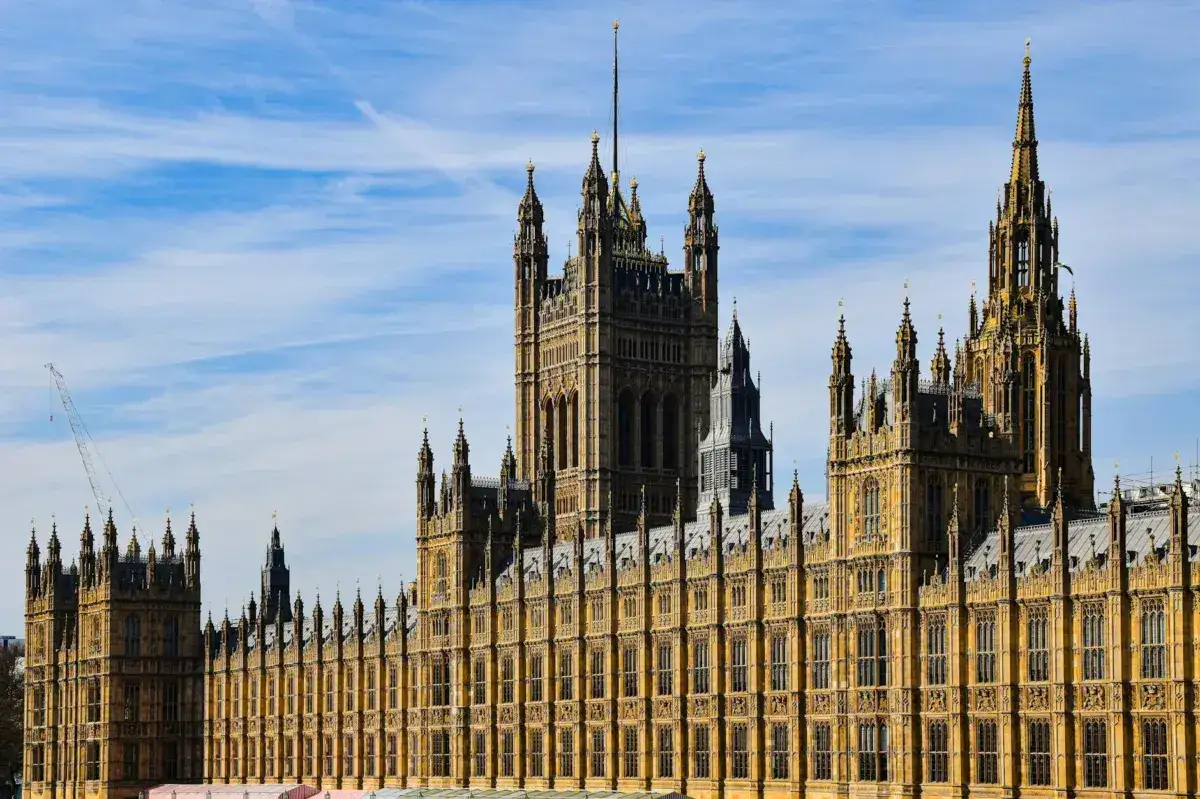
British Prime Minister Keir Starmer faces a significant political crisis this week following the abrupt resignation of Health Secretary Wes Streeting, a move that has effectively triggered a formal challenge for the leadership of the ruling Labour Party. The resignation, announced early Tuesday morning from Westminster, signals a deep-seated rift within the cabinet over the government’s current trajectory regarding public sector reforms and fiscal policy.
A Fractured Cabinet
Streeting, widely considered a central figure in Starmer’s modernization agenda, cited “fundamental disagreements” regarding the long-term funding model for the National Health Service (NHS). His departure comes at a time when the administration is already grappling with stagnant economic growth and mounting public dissatisfaction over cost-of-living pressures.
Political analysts view this resignation as the culmination of months of internal tension. The Labour Party, which secured a significant majority in the most recent general election, has struggled to balance campaign promises of systemic change with the harsh realities of a constrained national budget.
The Leadership Challenge
Under the procedural rules of the Labour Party, the resignation of a high-profile minister of Streeting’s stature provides the necessary catalyst for backbenchers to request a vote of no confidence. Several senior party members have already begun circulating letters of support for a leadership contest, suggesting that Starmer’s grip on the premiership is increasingly tenuous.
According to recent polling data from YouGov, the Prime Minister’s approval rating has dipped to 28%, the lowest level since he assumed office. This erosion of support among the electorate mirrors the growing restlessness within the parliamentary party, where MPs are increasingly concerned about their prospects in upcoming local elections.
Economic and Policy Implications
The core of the dispute lies in the government’s approach to fiscal consolidation. While Starmer has advocated for a cautious approach to public spending to stabilize the pound, critics—including the departing Health Secretary—argue that the NHS requires immediate, substantial investment to prevent a total collapse of service standards.
Economists have noted that the uncertainty surrounding the leadership could lead to market volatility. “Investors generally dislike political instability, particularly when it touches on the direction of major public institutions like the health system,” remarked Sarah Jenkins, a lead analyst at the Institute for Fiscal Studies.
Looking Ahead
The coming days will be critical as Starmer attempts to reshuffle his cabinet to maintain a semblance of party unity. Observers are watching closely to see whether he can secure the backing of key trade union leaders, whose support has historically been the bedrock of Labour premierships.
If the Prime Minister fails to quell the dissent, the party could move toward a formal leadership election by the end of the month. The focus for the immediate future remains on the parliamentary session scheduled for Thursday, where Starmer will face intense scrutiny during Prime Minister’s Questions, potentially serving as a bellwether for his political longevity.