





Security Incident at Barakah Nuclear Power Plant
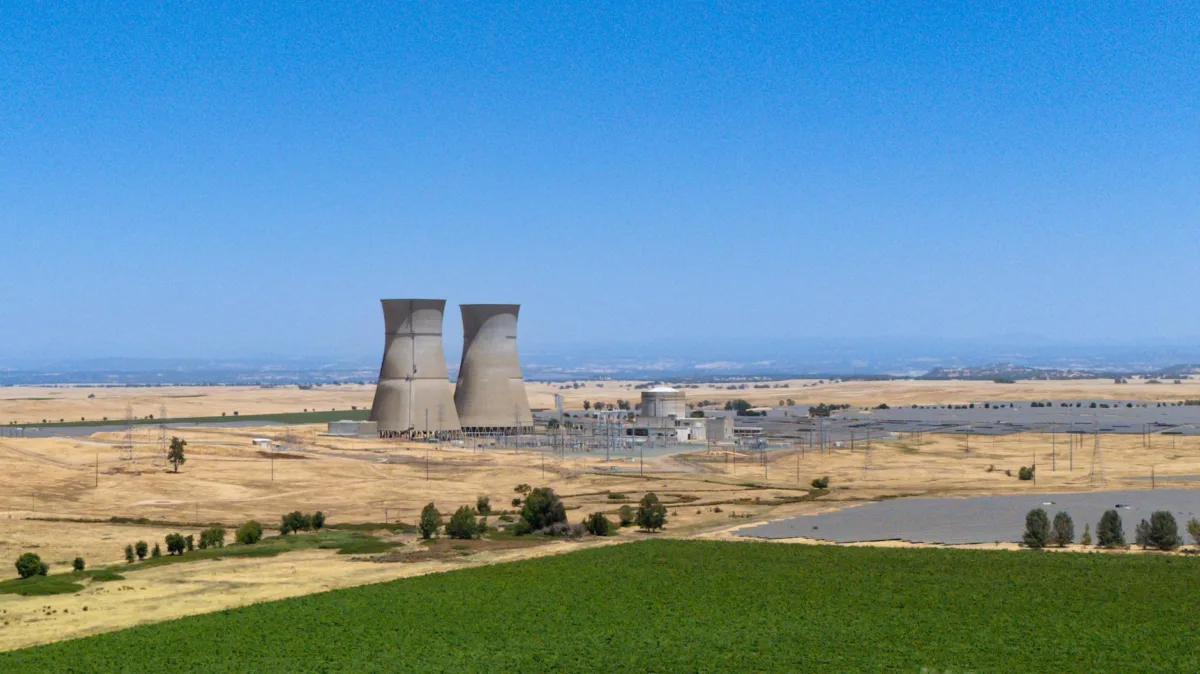
An unidentified drone struck the perimeter of the Barakah Nuclear Power Plant in the United Arab Emirates on Tuesday, sparking a localized fire that officials worked to contain throughout the morning. The incident represents a significant escalation in regional security risks, as the UAE’s sole nuclear facility—located in the Al Dhafra region—has long been considered a high-value target for non-state actors and regional adversaries. Authorities have not yet attributed the attack to a specific entity, though the strike arrives amidst a fragile and recently strained truce involving regional powers.
Context of the Barakah Facility
The Barakah Nuclear Power Plant is the first commercial nuclear energy station in the Arab world and serves as a cornerstone of the UAE’s strategy to diversify its energy portfolio away from oil. Since its inception, the facility has been subject to rigorous international oversight by the International Atomic Energy Agency (IAEA) to ensure safety and security standards are maintained. The plant is designed to provide up to 25% of the UAE’s electricity needs, making it a critical piece of national infrastructure.
Security Challenges and Aerial Threats
The use of drones in regional conflicts has become increasingly prevalent, with low-cost, long-range unmanned aerial vehicles (UAVs) frequently used to bypass traditional radar defenses. Security analysts note that while the plant is protected by advanced air defense systems, the sheer volume of drone traffic in the region makes total interception a continuous challenge. This strike suggests a shift in tactical focus, moving from maritime or commercial targets toward sensitive energy installations.
Expert Analysis on Regional Stability
Defense experts warn that such attacks could undermine the recent diplomatic efforts aimed at de-escalating tensions between Iran and Gulf Cooperation Council (GCC) states. According to recent reports from the Washington Institute for Near East Policy, the proliferation of sophisticated drone technology among proxy groups has created a new, unpredictable security environment in the Middle East. Data indicates that drone-related incidents in the Gulf have increased by nearly 40% over the last two years, necessitating a re-evaluation of perimeter security for critical infrastructure.
Implications for Global Energy Markets
For the energy industry, this incident highlights the vulnerability of nuclear power assets to asymmetric warfare. Any prolonged disruption to the Barakah plant could have cascading effects on the UAE’s domestic power supply and potentially influence regional energy prices. Industry observers are now calling for a rapid expansion of electronic warfare capabilities and localized jamming technologies to protect remote, high-stakes facilities from future incursions.
Looking Ahead
Market analysts and regional security observers are now watching for official government statements regarding the origin of the drone and the potential for a retaliatory response. Future developments will likely focus on whether this event triggers a renewed international push for stricter drone export controls and whether the UAE will accelerate the deployment of next-generation laser-based air defense systems. The industry remains on high alert as stakeholders assess the long-term viability of securing isolated critical infrastructure against evolving aerial threats.