








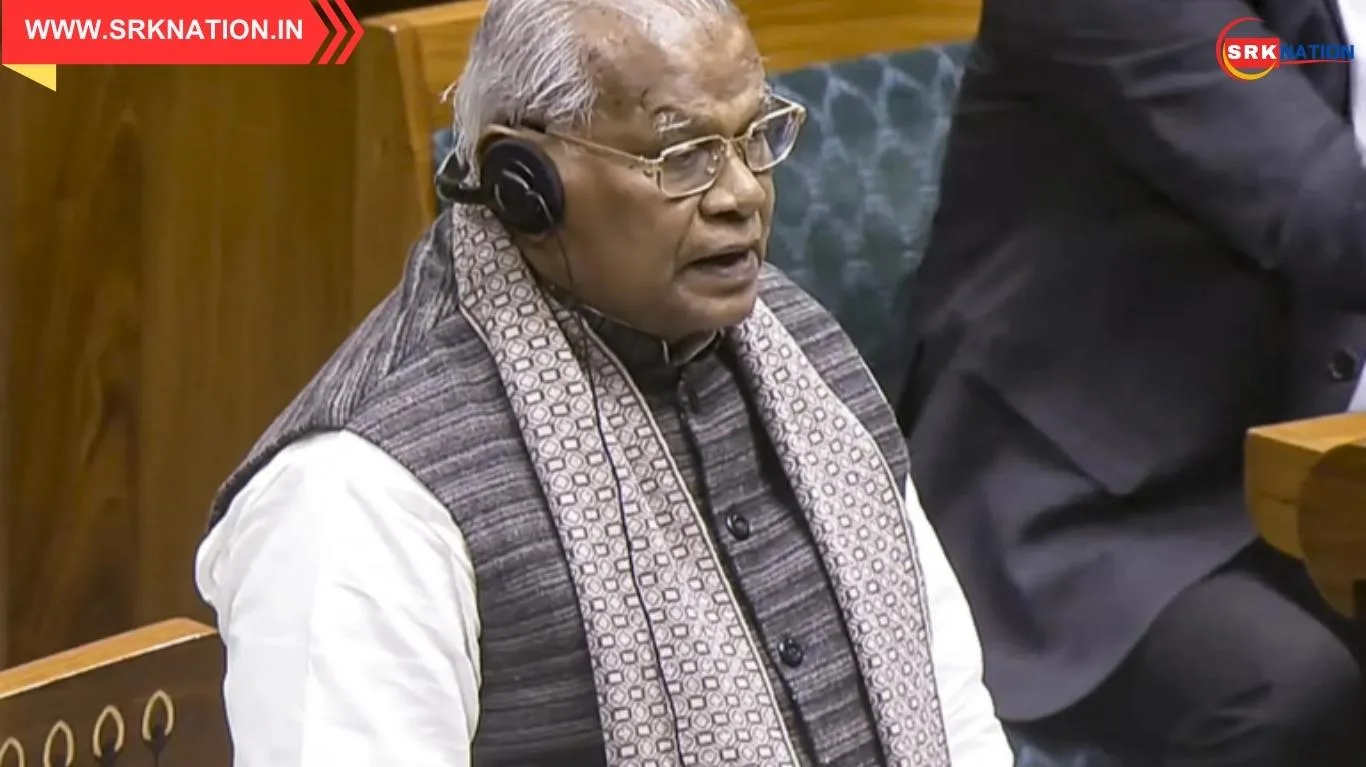
Former Bihar Chief Minister and Hindustani Awam Morcha (HAM) chief Jitan Ram Manjhi has issued a strong ultimatum to the National Democratic Alliance (NDA), demanding a Rajya Sabha seat or threatening to walk out of the coalition. His statement has stirred political circles in Bihar and Delhi, highlighting the fragile nature of alliances and the growing assertiveness of smaller regional parties within national coalitions.
Background of Jitan Ram Manjhi’s Political Journey
- Jitan Ram Manjhi, a seasoned politician, served as the Chief Minister of Bihar in 2014–15.
- He founded the Hindustani Awam Morcha (HAM), a party representing marginalized communities, particularly Dalits.
- Over the years, Manjhi has played the role of a kingmaker in Bihar politics, aligning with different coalitions based on political opportunities.
- His current alliance with the NDA has given him leverage, but his demand for a Rajya Sabha seat reflects ambitions to secure national relevance.
Key Highlights of Manjhi’s Ultimatum
| Indicator | Details |
|---|---|
| Demand | Rajya Sabha seat |
| Threat | Quit NDA if demand not met |
| Party | Hindustani Awam Morcha (HAM) |
| Political Context | Bihar coalition politics |
| Broader Impact | Potential weakening of NDA in Bihar |
Manjhi’s Demand vs NDA’s Position
| Factor | Manjhi’s Demand | NDA’s Position | Implication |
|---|---|---|---|
| Rajya Sabha Seat | Wants assured representation | Limited seats, balancing allies | Internal friction |
| Coalition Stability | Threatens exit | Needs unity in Bihar | Risk of fragmentation |
| Political Leverage | Uses ultimatum | NDA must negotiate | Smaller parties gain power |
| National Impact | Push for relevance | NDA’s image at stake | Signals fragile alliances |
Why Manjhi’s Statement Matters
- Coalition Dynamics: Highlights the challenges of managing diverse allies within the NDA.
- Dalit Politics: Manjhi’s demand underscores the importance of Dalit representation in national politics.
- Bihar’s Role: Bihar remains a politically crucial state, making Manjhi’s threat significant.
- National Relevance: Smaller parties like HAM seek national visibility through Rajya Sabha representation.
Manjhi’s Political Strategy
| Attribute | Details |
|---|---|
| Core Base | Dalit and marginalized communities |
| Political Style | Assertive, opportunistic alliances |
| Current Demand | Rajya Sabha seat for HAM |
| Leverage | Threat of quitting NDA |
| Future Ambition | National relevance through Parliament |
Manjhi’s strategy reflects the growing assertiveness of regional leaders who use coalition politics to secure representation and influence.
Expert Opinions
- Political Analysts: Note that Manjhi’s demand is a bargaining tactic to strengthen his party’s position.
- Opposition Leaders: Suggest that NDA’s internal tensions could benefit rival coalitions.
- NDA Allies: Express concern about balancing demands from multiple smaller parties.
- Public Sentiment: Mixed, with some supporting Manjhi’s assertiveness and others criticizing opportunism.
Challenges Ahead for NDA
- Seat Allocation: Limited Rajya Sabha seats make it difficult to satisfy all allies.
- Coalition Management: Balancing demands from regional parties without alienating core allies.
- Public Perception: Managing the narrative to avoid appearing weak or fragmented.
- Electoral Impact: Risk of losing Dalit support if Manjhi exits NDA.
Opportunities for NDA
- Negotiation: Finding a compromise to retain Manjhi within the coalition.
- Representation: Strengthening Dalit representation through strategic seat allocation.
- Unity Messaging: Projecting coalition strength despite internal tensions.
- Long-Term Planning: Building sustainable alliances with regional parties.
Broader Context of Bihar Politics
- Bihar’s political landscape is marked by shifting alliances and strong caste-based dynamics.
- Smaller parties like HAM play crucial roles in coalition arithmetic.
- Manjhi’s ultimatum reflects the broader trend of regional leaders demanding greater national representation.
- The NDA’s ability to manage such demands will determine its strength in Bihar and beyond.
Public Sentiment
- Supporters of Manjhi praised his demand for Dalit representation.
- Critics accused him of opportunism and political bargaining.
- Social media debates highlighted the fragility of coalition politics.
- Overall sentiment reflected a mix of support, skepticism, and curiosity about NDA’s response.
Conclusion
The ultimatum by Jitan Ram Manjhi — “Give Rajya Sabha seat or will quit NDA” — underscores the complexities of coalition politics in India. His demand for representation reflects both personal ambition and the broader need for marginalized voices in national decision-making. For the NDA, the challenge lies in balancing diverse demands while maintaining unity and credibility. The outcome of this standoff will not only shape Bihar’s political landscape but also signal the future of coalition politics at the national level.
Disclaimer
This article is intended for informational purposes only and does not constitute political or policy advice. Party strategies, coalition decisions, and seat allocations are subject to change based on evolving circumstances. Readers are encouraged to follow official updates for accurate information. The author and publisher are not responsible for any decisions made based on this article.