








A Judicial Turning Point in Dhar
The Madhya Pradesh High Court recently issued a landmark verdict directing the Archaeological Survey of India (ASI) to conduct a comprehensive scientific survey of the Bhojshala complex in Dhar, Madhya Pradesh, following decades of legal tension between Hindu and Muslim communities. The court’s order, delivered in March 2024, mandates a thorough investigation of the site to determine the historical character of the structure, which is claimed by Hindu groups as a temple dedicated to Goddess Vagdevi and by Muslims as the Kamal Maula Mosque.
Historical Context and Conflicting Claims
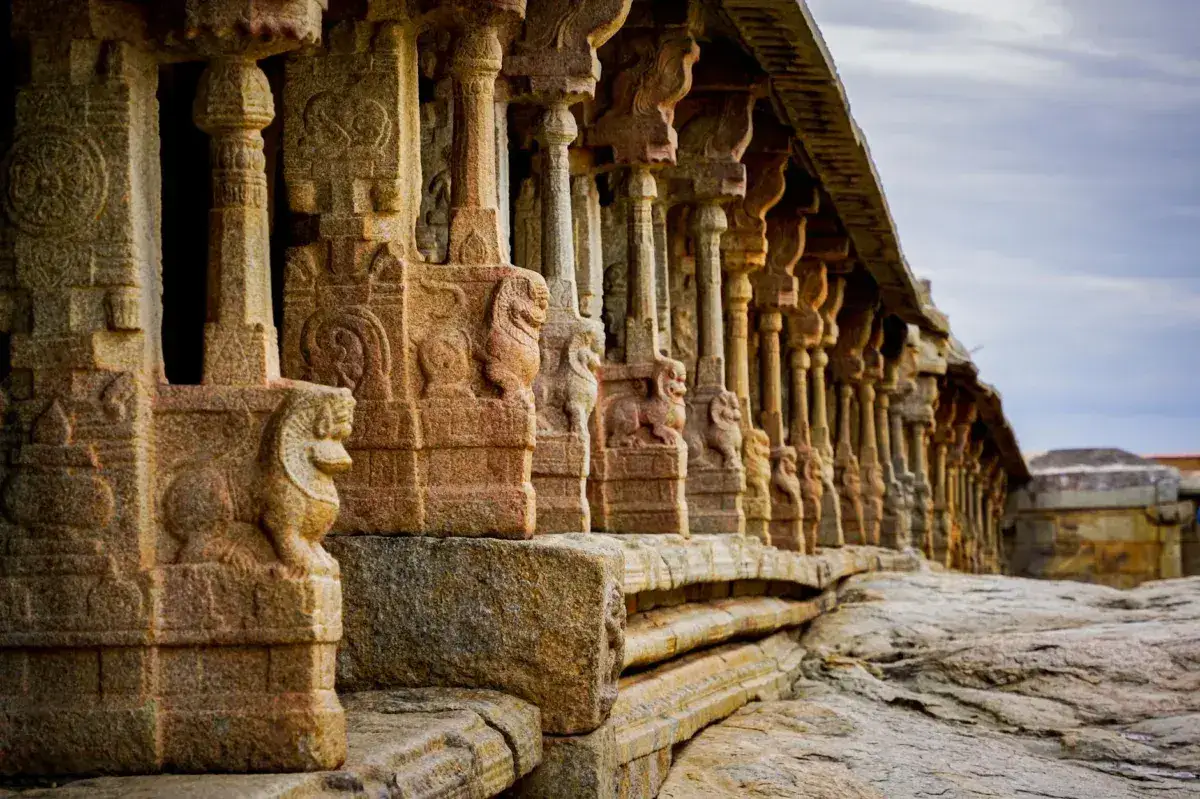
The Bhojshala complex has been a site of intermittent communal friction for over a century, rooted in conflicting narratives regarding its origin. Hindu petitioners argue that the site was originally a temple built by the Paramara King Bhoja in the 11th century, housing an idol of Goddess Vagdevi, which they claim was taken to London by the British in the early 20th century. Conversely, the local Muslim community maintains that the site has functioned as a mosque since the 14th century, citing its historical use for prayers and its architectural features associated with Islamic traditions.
The ASI Survey Mandate
The High Court’s directive tasks the ASI with utilizing modern technology, including carbon dating and ground-penetrating radar, to resolve the site’s architectural history. This scientific intervention is intended to move the dispute beyond anecdotal evidence and colonial-era records. The ASI has begun the process of implementing the court’s order, which includes provisions for unrestricted access for Hindu devotees on specific days, a move that has drawn both support from local activists and criticism from political figures who question the methodology of the survey.
Expert Perspectives and Political Polarization
The verdict has ignited a firestorm of political debate, highlighting the deep-seated divisions over the management of heritage sites in India. While proponents of the survey argue that transparency regarding historical sites is essential for justice, critics, including Congress MP Digvijay Singh, have labeled the court’s order as vague and potentially inflammatory. Independent historians warn that such disputes often overlook the syncretic nature of medieval Indian architecture, where structures were frequently repurposed or shared across religious lines.
Implications for Heritage Sites
The Bhojshala case serves as a significant bellwether for how Indian courts might adjudicate similar disputes involving disputed religious properties. By prioritizing scientific evidence over centuries-old claims, the legal system is attempting to establish a framework for dispute resolution that minimizes communal unrest. However, the reliance on archaeological surveys to settle identity-based claims remains contentious, as the interpretation of physical remains is often influenced by contemporary political lenses.
Future Developments to Watch
As the ASI continues its survey, the focus will shift to the final report’s findings and how they are accepted by the judiciary and the public. Observers are particularly watching for how the court will balance the findings of the report with the existing cultural and religious practices currently observed at the site. The outcome of this investigation will likely set a legal precedent for how the state manages heritage sites where competing religious histories intersect, potentially reshaping the landscape of cultural preservation in India for years to come.