








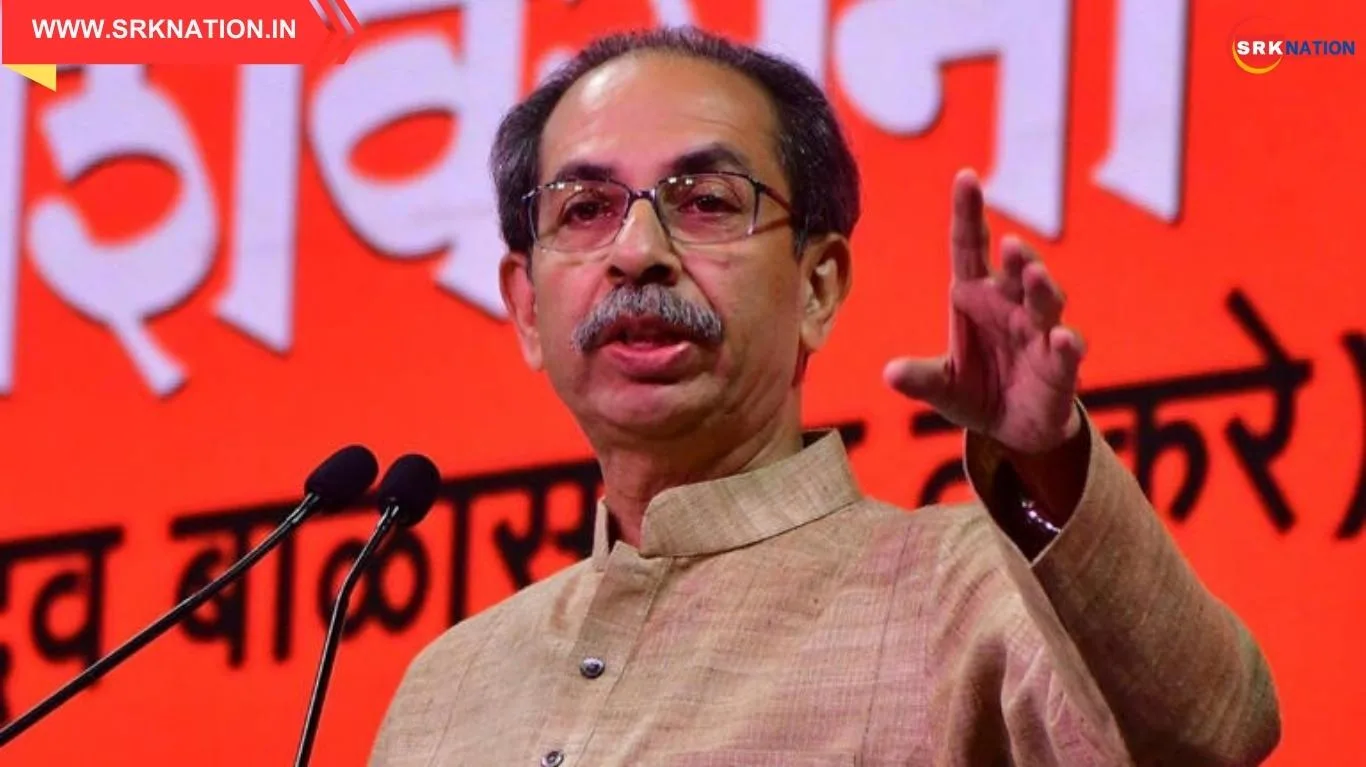
In a significant judicial development, the High Court has rejected a renewed plea seeking investigation into the assets of former Maharashtra Chief Minister Uddhav Thackeray, citing its earlier dismissal of similar petitions. The court’s decision underscores the principle of judicial consistency, emphasizing that repeated pleas on the same matter cannot be entertained without new evidence or substantial grounds.
Background of the Case
- Uddhav Thackeray, leader of the Shiv Sena (UBT), has faced multiple petitions questioning the source and legitimacy of his family’s assets.
- Earlier pleas had been dismissed by the High Court, citing lack of merit and insufficient evidence.
- The renewed plea attempted to reopen the matter, but the court firmly reiterated its earlier stance.
- The ruling highlights the judiciary’s reluctance to allow repeated litigation on issues already adjudicated.
Key Highlights of the Court’s Decision
| Indicator | Details |
|---|---|
| Subject | Plea on Uddhav Thackeray’s assets |
| Court’s Action | Rejected renewed plea |
| Reason | Earlier dismissal cited, lack of new evidence |
| Broader Impact | Reinforces judicial consistency |
| Political Context | Case linked to ongoing Maharashtra political tussles |
Judicial Principles vs Political Context
| Factor | Judicial Principles | Political Context | Implication |
|---|---|---|---|
| Consistency | Court cites earlier dismissal | Opposition seeks to reopen matter | Judiciary maintains stability |
| Evidence Requirement | Lack of fresh evidence | Political motives alleged | Prevents frivolous litigation |
| Public Perception | Judiciary seen as impartial | Political rivalry continues | Trust in courts reinforced |
| Future Outlook | Case unlikely to proceed | Political debate persists | Focus shifts to governance issues |
Why This Case Matters
- Judicial Integrity: Reinforces the principle that courts cannot entertain repeated pleas without new grounds.
- Political Rivalry: Reflects ongoing tussles in Maharashtra politics, where leaders face scrutiny over assets.
- Public Trust: Ensures that the judiciary is not misused for political vendettas.
- Legal Precedent: Sets an example for handling similar petitions in the future.
Uddhav Thackeray’s Political Context
| Attribute | Details |
|---|---|
| Position | Former Chief Minister of Maharashtra |
| Party | Shiv Sena (UBT) |
| Political Rivalry | Ongoing tussle with Eknath Shinde faction and BJP |
| Asset Allegations | Subject of repeated petitions |
| Current Status | Plea dismissed, focus on political strategies |
Thackeray’s leadership continues to be a focal point in Maharashtra politics, with his assets often becoming a subject of political debate.
Expert Opinions
- Legal Analysts: Stress that the court’s decision reflects adherence to judicial principles.
- Political Commentators: Note that asset-related petitions are often politically motivated.
- Economists: Highlight that such cases distract from governance and economic priorities.
- Public Sentiment: Divided between those seeking accountability and those criticizing repeated litigation.
Challenges Ahead
- Political Scrutiny: Thackeray continues to face questions from rivals.
- Judicial Burden: Courts must balance genuine petitions with frivolous ones.
- Public Perception: Ensuring transparency while avoiding misuse of legal processes.
- Governance Focus: Shifting attention from litigation to policy-making.
Opportunities for Resolution
- Transparency: Leaders can proactively disclose assets to build public trust.
- Judicial Efficiency: Courts can streamline processes to prevent repeated pleas.
- Political Dialogue: Parties can focus on governance rather than personal allegations.
- Public Awareness: Educating citizens about judicial principles and evidence requirements.
Broader Context of Maharashtra Politics
- Maharashtra remains a politically volatile state, with shifting alliances and intense rivalries.
- Asset-related petitions are often used as tools in political battles.
- The judiciary’s role is crucial in maintaining impartiality and preventing misuse of law.
- The High Court’s decision reflects the importance of focusing on governance rather than repeated litigation.
Public Sentiment
- Supporters of Thackeray welcomed the dismissal, viewing it as vindication.
- Critics argued that asset transparency remains essential for public trust.
- Social media debates highlighted divisions between political camps.
- Overall sentiment reflected fatigue with repeated litigation and calls for focus on governance.
Conclusion
The High Court’s rejection of the renewed plea on Uddhav Thackeray’s assets, citing earlier dismissal, reinforces judicial consistency and integrity. While political rivals may continue to raise questions, the judiciary has made it clear that repeated petitions without new evidence cannot be entertained. The ruling shifts focus back to governance and policy-making, reminding political actors that accountability must be pursued through legitimate and substantive means.
Disclaimer
This article is intended for informational purposes only and does not constitute legal or political advice. Court decisions, political strategies, and public sentiments are subject to change based on evolving circumstances. Readers are encouraged to follow official updates for accurate information. The author and publisher are not responsible for any decisions made based on this article.