








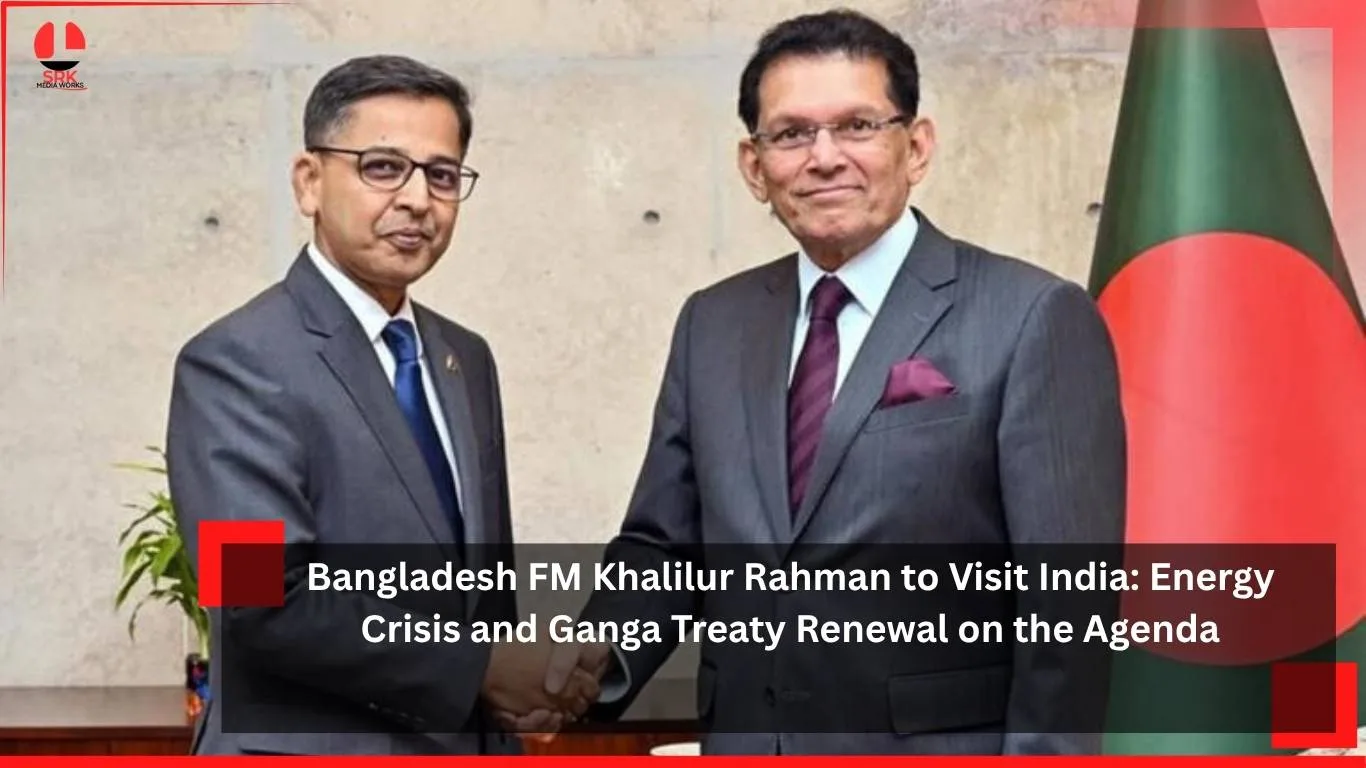
Bangladesh’s Foreign Minister Khalilur Rahman is scheduled to visit India next week, with energy cooperation and the renewal of the Ganga water-sharing treaty expected to dominate discussions. The visit comes at a crucial time when both nations are grappling with regional energy challenges and pressing water resource management issues.
Background of the Visit
India and Bangladesh share a long history of cultural, political, and economic ties. The upcoming visit by Khalilur Rahman is seen as an opportunity to strengthen bilateral relations further. With energy shortages affecting Bangladesh and water-sharing disputes resurfacing, the talks are expected to focus on pragmatic solutions.
Energy Crisis in Bangladesh
Bangladesh has been facing an acute energy crisis, with rising demand for electricity and limited domestic resources. The country relies heavily on imported fuel and power from neighboring countries, including India.
Key challenges include:
- Dependence on imported LNG and coal.
- Rising electricity demand due to industrial growth.
- Limited renewable energy infrastructure.
- Need for cross-border energy cooperation.
India has already been supplying electricity to Bangladesh through grid connections, and discussions are expected to expand this cooperation.
Ganga Treaty Renewal
The Ganga water-sharing treaty, signed in 1996, is set for renewal. The treaty governs the distribution of water from the Ganga River at the Farakka Barrage, a critical issue for both nations.
Bangladesh has often raised concerns about reduced water flow during dry seasons, affecting agriculture and livelihoods. India, on the other hand, emphasizes the need to balance domestic requirements with regional cooperation.
Timeline of Key Developments
| Year | Event | Impact |
|---|---|---|
| 1996 | Signing of Ganga Treaty | Framework for water-sharing established |
| 2010s | Expansion of energy cooperation | Cross-border electricity trade grows |
| 2020s | Rising energy crisis in Bangladesh | Increased dependence on imports |
| 2026 | Planned visit by FM Khalilur Rahman | Focus on energy and treaty renewal |
Comparative Analysis: Energy and Water Issues
| Factor | Energy Crisis | Ganga Treaty |
|---|---|---|
| Nature of Issue | Shortage of electricity, fuel | Water-sharing disputes |
| Impact | Industrial slowdown, power cuts | Agricultural distress, livelihood issues |
| Solution Path | Cross-border energy trade, renewables | Treaty renewal, joint river management |
| Regional Importance | South Asian energy security | Transboundary water cooperation |
Strategic Importance of the Visit
The visit is significant for several reasons:
- Strengthening bilateral ties between India and Bangladesh.
- Addressing energy shortages through expanded cooperation.
- Ensuring equitable water distribution via treaty renewal.
- Enhancing regional stability by resolving disputes peacefully.
Regional and Global Reactions
- South Asian neighbors: Likely to view the visit as a positive step toward regional cooperation.
- International observers: Interested in how India and Bangladesh manage transboundary resources.
- Energy markets: Watching closely for agreements that could impact regional demand and supply.
Conclusion
Bangladesh Foreign Minister Khalilur Rahman’s upcoming visit to India is poised to address two critical issues: the energy crisis and the renewal of the Ganga water-sharing treaty. Both matters hold immense importance for the future of bilateral relations and regional stability. The visit offers an opportunity for India and Bangladesh to reaffirm their commitment to cooperation, ensuring that shared challenges are met with collaborative solutions.
Disclaimer
This article is based on reported diplomatic schedules and independent analysis. It does not confirm or deny official agreements or policy decisions. Readers should treat the content as interpretative reporting rather than definitive government documentation.