








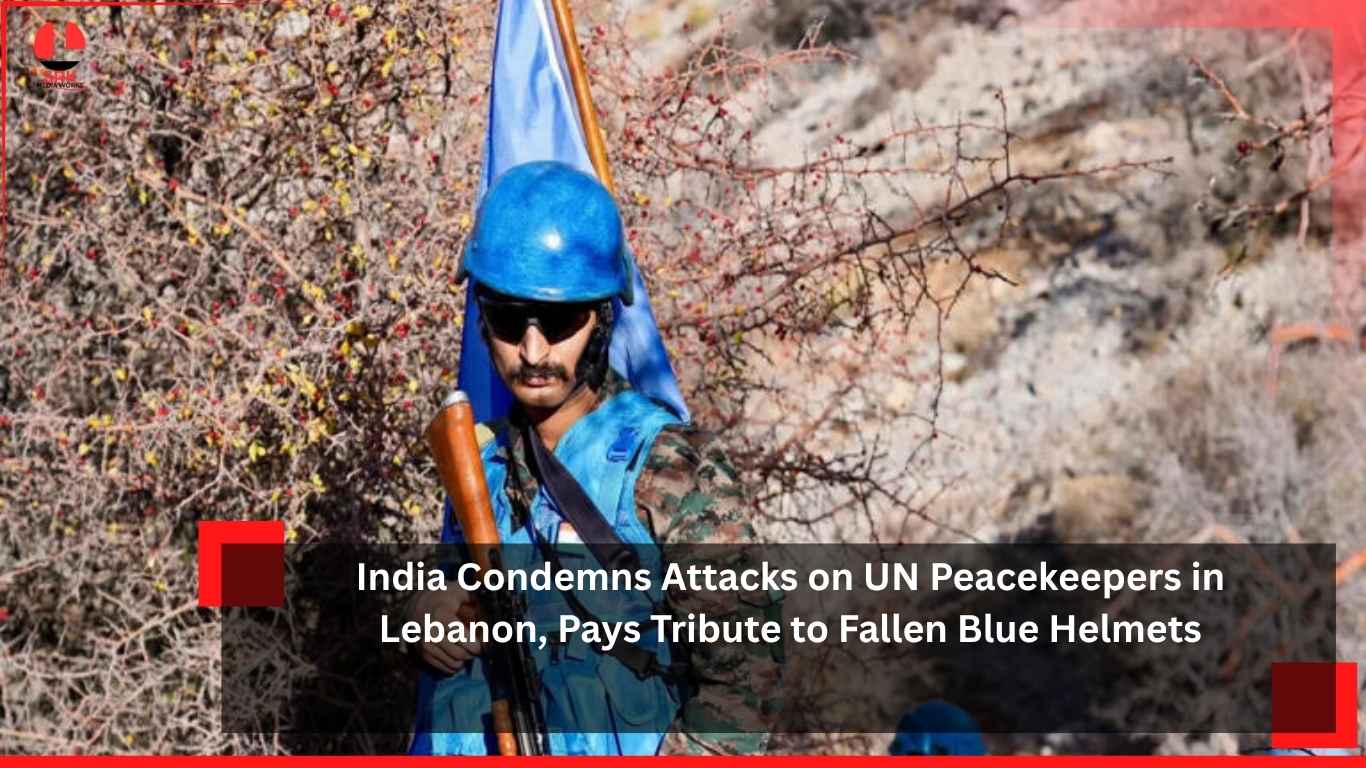
India has strongly condemned the recent attacks on United Nations peacekeepers in Lebanon, reaffirming its commitment to global peacekeeping missions and honoring the sacrifices of the fallen “Blue Helmets.” The incident has drawn international concern, as peacekeepers—tasked with maintaining stability in volatile regions—were targeted despite their neutral humanitarian role.
India’s Statement
The Ministry of External Affairs issued a firm statement denouncing the attacks, calling them “unacceptable acts of violence against those who serve under the UN flag.” India emphasized that peacekeepers are deployed to protect civilians and stabilize conflict zones, and any assault on them constitutes a violation of international law.
India also paid tribute to the fallen peacekeepers, acknowledging their courage and sacrifice. The country reiterated its support for UN missions and called for accountability for those responsible.
India’s Role in UN Peacekeeping
India has historically been one of the largest contributors to UN peacekeeping forces. Thousands of Indian soldiers have served in missions across Africa, Asia, and the Middle East. Their reputation for professionalism and dedication has earned India global recognition.
Key highlights of India’s peacekeeping contributions:
- Over 250,000 Indian personnel have served in UN missions since 1948.
- More than 160 Indian peacekeepers have lost their lives in service.
- India has deployed female peacekeepers, promoting gender inclusivity.
- Indian contingents are often tasked with critical frontline duties in conflict zones.
Timeline of Recent Events
| Date | Event | Impact |
|---|---|---|
| March 2026 | Attack on UN peacekeepers in Lebanon | Casualties reported, global outrage |
| March 2026 | India condemns attack | Diplomatic solidarity with UN |
| March 2026 | Tributes paid to fallen Blue Helmets | Renewed focus on peacekeeping safety |
| Ongoing | Calls for accountability | Pressure on perpetrators and local authorities |
Comparative Analysis: Peacekeeping Challenges
| Factor | Lebanon Mission | Other UN Missions |
|---|---|---|
| Nature of Threat | Armed groups targeting peacekeepers | Militias, insurgents, extremist groups |
| Civilian Impact | Heightened insecurity | Displacement, humanitarian crises |
| Peacekeeper Role | Monitoring ceasefires, protecting civilians | Similar duties across missions |
| Risk Level | High due to volatile borders | High in conflict-prone regions |
Global Reactions
The attacks have drawn condemnation from multiple nations and international organizations.
- United Nations: Called the assault a violation of international law.
- European Union: Expressed solidarity with UN missions.
- Middle Eastern states: Responses varied depending on political alignments.
- India: Strongly reaffirmed its support for peacekeeping and demanded justice.
Significance of Blue Helmets
The “Blue Helmets” symbolize neutrality, peace, and humanitarian service. They operate in some of the world’s most dangerous regions, often risking their lives to protect civilians and uphold ceasefires. Attacks on them undermine international peace efforts and highlight the challenges of maintaining stability in conflict zones.
Conclusion
India’s condemnation of the attacks on UN peacekeepers in Lebanon underscores its longstanding commitment to global peace and security. By paying tribute to the fallen Blue Helmets, India has reaffirmed its solidarity with the United Nations and its dedication to supporting missions that safeguard civilians in conflict zones. The incident serves as a reminder of the risks peacekeepers face daily and the urgent need for stronger protections and accountability mechanisms.
Disclaimer
This article is based on reported diplomatic statements and independent analysis. It does not confirm or deny specific military or political actions. Readers should treat the content as interpretative reporting rather than definitive government documentation.