









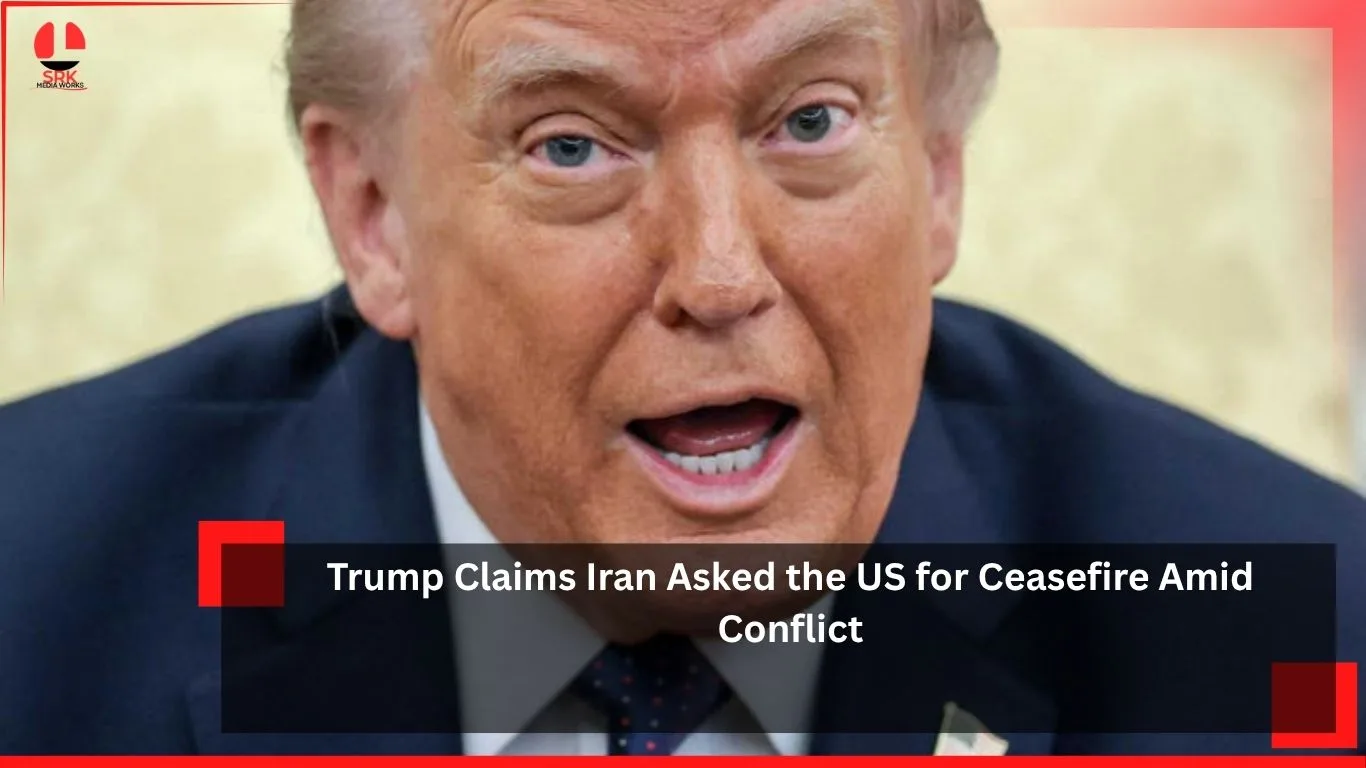
President Donald Trump has stirred global attention with his latest claim that Iran has approached the United States seeking a ceasefire amid the ongoing conflict. The statement, delivered during a press briefing at the White House, has sparked debates about the credibility of the claim, the future of US–Iran relations, and the broader implications for Middle East stability.
Background of the Conflict
The US–Iran confrontation has escalated in recent months, with military exchanges, sanctions, and diplomatic standoffs dominating headlines. The conflict has drawn in regional players such as Israel, Saudi Arabia, and Hezbollah, raising fears of a wider war.
- US Position: Maintaining pressure through military presence and sanctions.
- Iran’s Response: Resistance through proxy groups and regional alliances.
- Global Concern: Rising oil prices and instability in the Strait of Hormuz.
Trump’s Claim
Trump stated that Iran had “reached out” to the US with a request for ceasefire negotiations. While no official confirmation has come from Tehran, the claim has generated speculation about behind-the-scenes diplomacy.
- Possible Motives: Iran may be seeking relief from sanctions and military pressure.
- Political Impact: Trump’s statement positions him as a leader capable of forcing adversaries to the negotiating table.
- Skepticism: Analysts caution that the claim may be part of political messaging rather than concrete diplomatic progress.
Comparative Analysis: Past Ceasefire Claims
| Year | Conflict | US Claim of Ceasefire Request | Outcome |
|---|---|---|---|
| 2003 | Iraq War | Saddam regime outreach | Escalation continued |
| 2019 | US–Taliban Talks | Taliban requested negotiations | Led to Doha Agreement |
| 2026 | US–Iran Conflict | Trump claims Iran request | Pending confirmation |
This comparison shows how ceasefire claims have historically been used as leverage in US foreign policy.
Global Reactions
- Iran: Official silence, though state media dismissed Trump’s remarks as propaganda.
- Middle East Allies: Israel and Saudi Arabia remain cautious, urging continued US pressure.
- Europe: Calls for verified diplomacy and de-escalation.
- Markets: Oil prices dipped slightly on speculation of reduced tensions.
Implications of a Ceasefire
- Regional Stability: A ceasefire could ease tensions across the Middle East.
- Economic Relief: Reduced conflict may stabilize global energy markets.
- Diplomatic Pathways: Opens the door for renewed negotiations on nuclear and security issues.
- Political Messaging: Trump could use the claim to bolster his image as a dealmaker.
Risks and Challenges
- Verification: Without official confirmation, the claim remains speculative.
- Proxy Groups: Even if Iran seeks ceasefire, groups like Hezbollah may continue hostilities.
- Domestic Politics: Critics argue Trump’s statement may be aimed at influencing US political narratives.
Conclusion
Trump’s assertion that Iran has asked the US for a ceasefire adds a dramatic twist to the ongoing conflict. Whether this claim reflects genuine diplomatic outreach or political maneuvering remains unclear. The coming weeks will determine if the statement translates into tangible negotiations or remains part of the rhetoric surrounding one of the world’s most volatile confrontations.
Disclaimer
This article is based on publicly available political statements, diplomatic analysis, and global media coverage. It is intended for informational purposes only and does not constitute political endorsement, financial advice, or professional guidance. Readers should verify details independently and follow official sources for updates on Middle East developments.