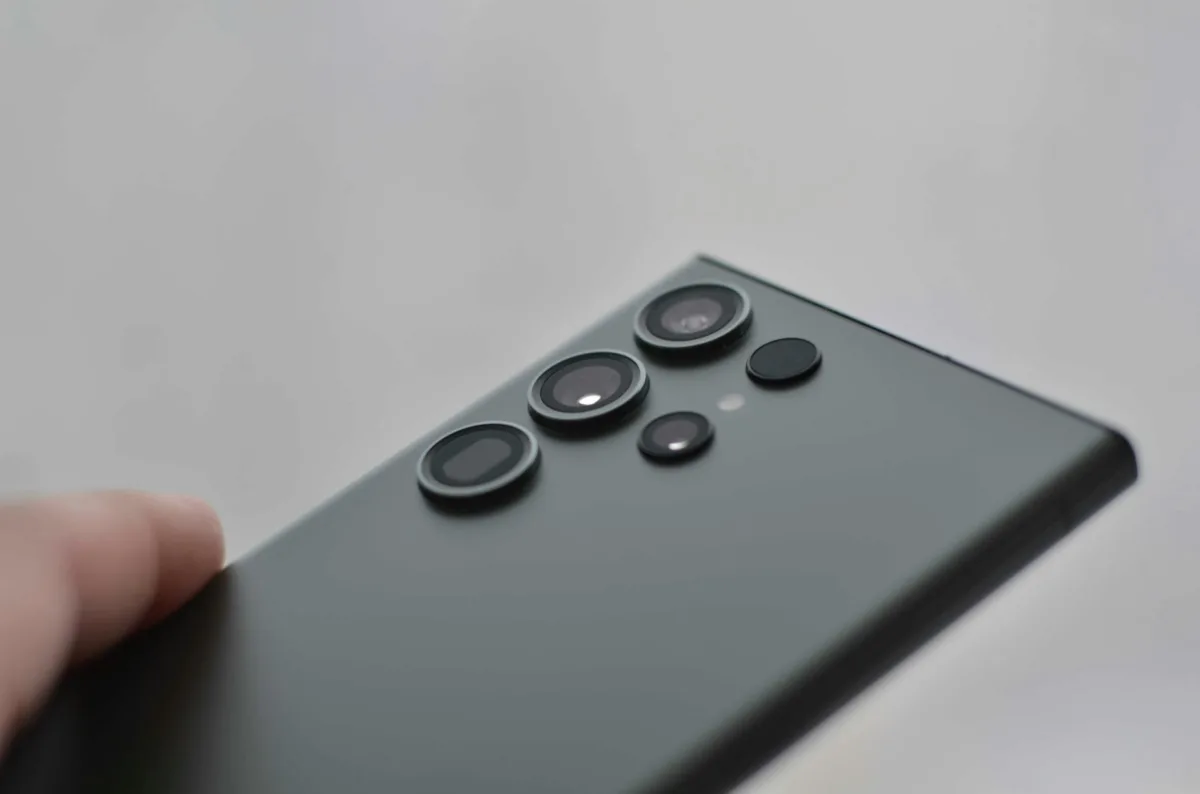







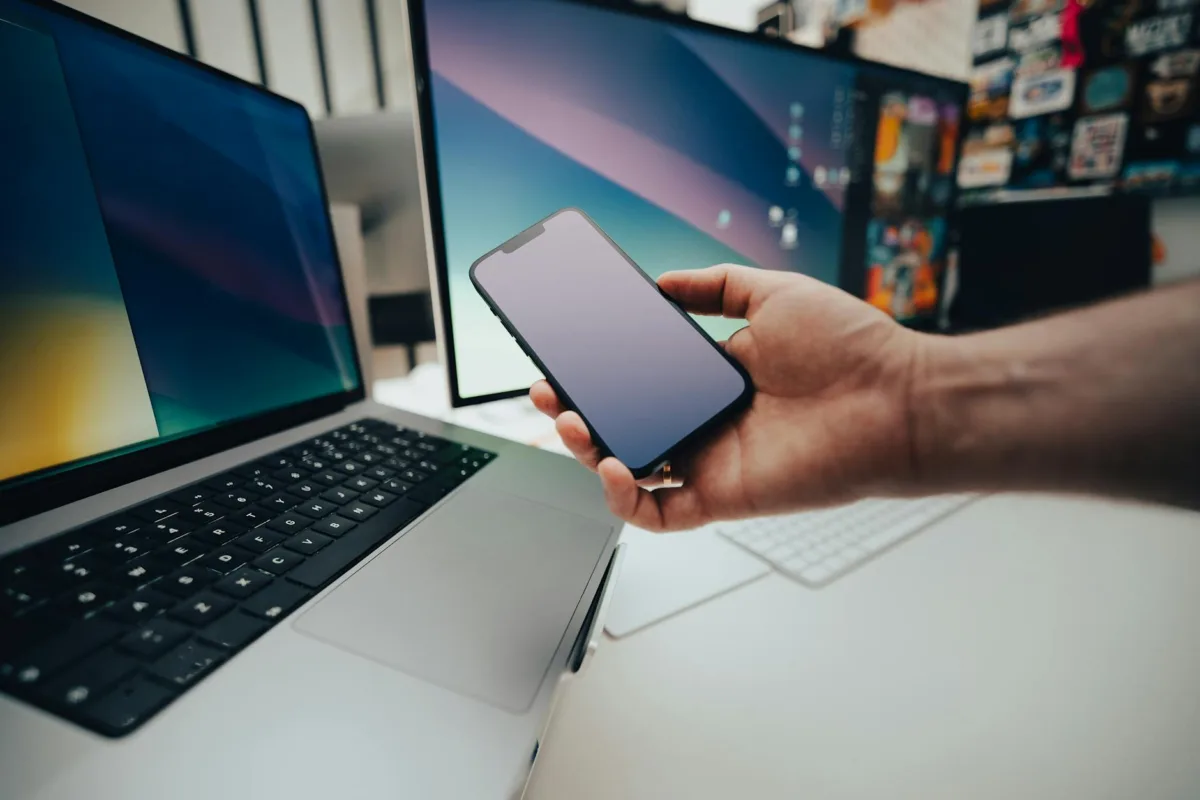
Google has officially introduced a robust desktop mode for the Pixel 10 Pro XL, signaling a strategic shift toward mobile devices functioning as primary computing workstations. By connecting the device to an external monitor via USB-C, users can now access a windowed interface that mimics traditional desktop operating systems, marking a significant evolution for the Android platform in 2025.
The Evolution of Android Desktop Environments
For years, Android desktop modes remained hidden features or niche experiments, often requiring developer settings to activate. While Samsung’s DeX paved the way for professional-grade mobile desktop experiences, Google’s implementation on the Pixel 10 Pro XL represents a native, polished integration designed for the mainstream user. This development arrives as hardware capabilities, specifically the Tensor G5 chip, finally offer the thermal headroom and processing power necessary to handle multitasking workflows that were previously reserved for laptops.
Performance and Multitasking Capabilities
The desktop interface on the Pixel 10 Pro XL allows for multi-window management, full-screen app support, and keyboard/mouse integration. Testing indicates that the system handles standard productivity tasks—such as web browsing, document editing, and video conferencing—with minimal latency. The transition between mobile and desktop states is seamless, allowing users to move from a portable handset to a stationary workstation within seconds.
However, the experience remains distinct from a full desktop operating system like Windows or macOS. While the Pixel 10 Pro XL excels at cloud-based productivity, it faces limitations regarding high-end creative software and legacy file architecture. According to industry analysts, while the hardware is undeniably powerful, the primary constraint remains the app ecosystem, which must be further optimized for large-display interaction.
Expert Perspectives on the Hardware Shift
Industry experts suggest that the integration of desktop-class features into flagship smartphones is a response to the converging needs of remote workers. Data from recent mobile hardware reports shows that average smartphone processing power has increased by 30% year-over-year, providing the necessary overhead for complex software environments. Tech analysts note that the Pixel 10 Pro XL’s success depends on how effectively Google encourages developers to refine their applications for responsive windowing.
Implications for the Computing Industry
For the average user, this shift suggests a future where the smartphone serves as the central computing hub, potentially reducing the necessity for entry-level laptops in education and administrative sectors. The industry is currently watching to see if this trend forces a market correction in the budget laptop segment. As Google continues to refine the interface, the focus will likely turn toward the integration of AI-driven productivity tools that leverage the device’s NPU for local processing, further bridging the gap between mobile utility and desktop functionality.