





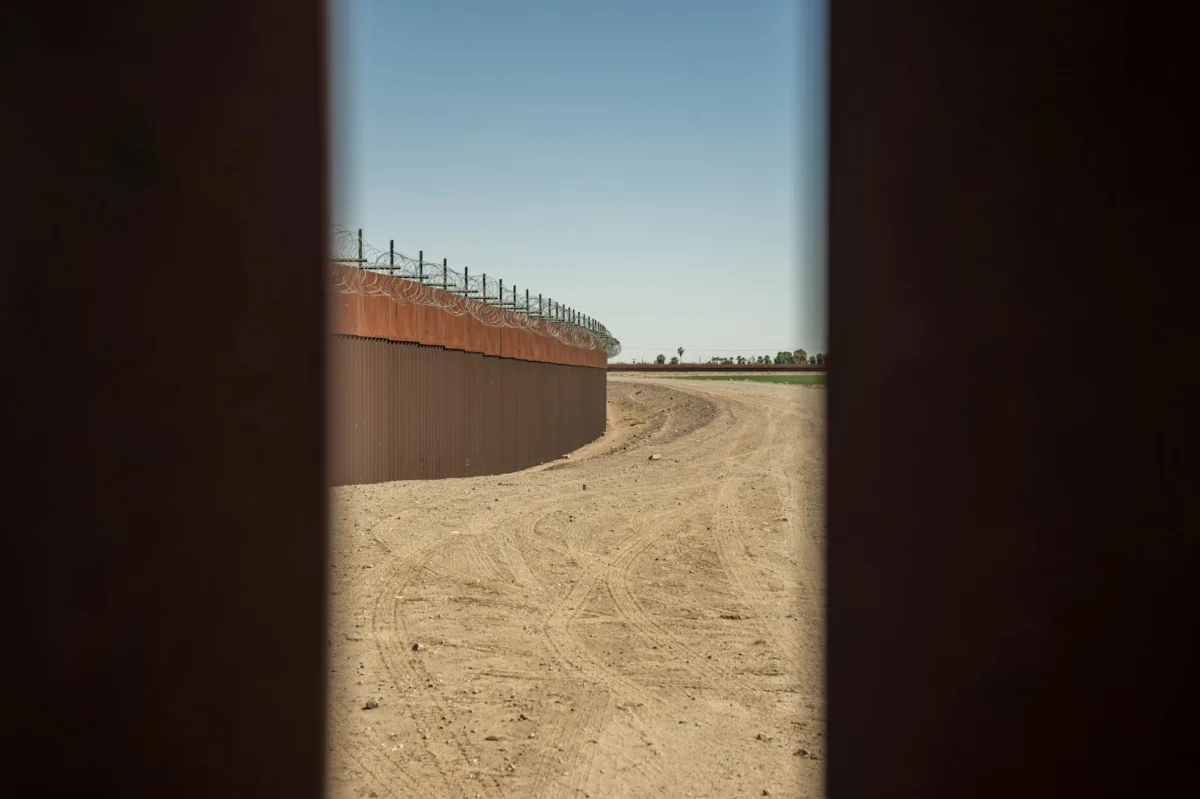
Indigenous leaders and tribal advocates reported this week that federal contractors are causing irreparable damage to sacred Native American burial grounds and cultural sites along the U.S.-Mexico border. The accelerated construction of border barrier projects has intensified in recent months, leading to claims that ancestral lands are being leveled without adequate tribal consultation or environmental review.
The Context of Border Infrastructure Development
The current border wall project represents a significant escalation in infrastructure development across federal, state, and private lands in the American Southwest. Much of this construction is occurring on territory historically inhabited by the Tohono O’odham, Kumeyaay, and other Indigenous nations.
Critics argue that the expedited construction process, which relies on waivers for environmental and historical preservation laws, has bypassed critical oversight. The Department of Homeland Security has utilized legislative authorities to bypass dozens of federal statutes, including the Native American Graves Protection and Repatriation Act (NAGPRA), to fast-track wall completion.
The Impact on Cultural Heritage
Tribal representatives have documented the destruction of various sites, including ancient ceremonial areas and burial grounds. Leaders assert that these locations are not merely historical markers but remain vital to the spiritual life and identity of contemporary Indigenous communities.
According to field reports from tribal monitors, heavy machinery has disturbed soil layers containing artifacts and ancestral remains. In some instances, construction crews have reportedly blasted through mountain ridges that hold deep religious significance, permanently altering the landscape of ancestral homelands.
Expert Perspectives and Legal Challenges
Legal experts suggest that the lack of meaningful consultation is a direct violation of executive orders requiring federal agencies to engage with tribal governments. The National Congress of American Indians has issued multiple statements calling for an immediate halt to construction in areas identified as culturally sensitive.
Data from the Government Accountability Office (GAO) highlights that while some environmental assessments were initially conducted, the subsequent reliance on waivers effectively neutralized the ability of tribal nations to protect their heritage. Independent researchers have also noted that the lack of transparency in the construction timeline has prevented tribal monitors from documenting the full extent of the damage in real-time.
Industry and Policy Implications
For the construction and logistics industries, the controversy underscores the growing risks associated with projects that lack local stakeholder buy-in. Companies involved in federal infrastructure projects face increasing pressure from shareholders and the public to adhere to environmental, social, and governance (ESG) standards that prioritize cultural sensitivity.
Looking ahead, legal scholars anticipate a wave of litigation focused on the constitutionality of the waivers used to override historical protection acts. Observers are now watching the U.S. Congress for potential legislative amendments that would mandate stricter tribal consultation requirements for future border infrastructure projects. The long-term impact on U.S.-tribal relations remains a critical point of concern, as the preservation of these sites becomes a central issue in the broader debate over border security policy.