








A Legacy Reclaimed on the Road to Montgomery
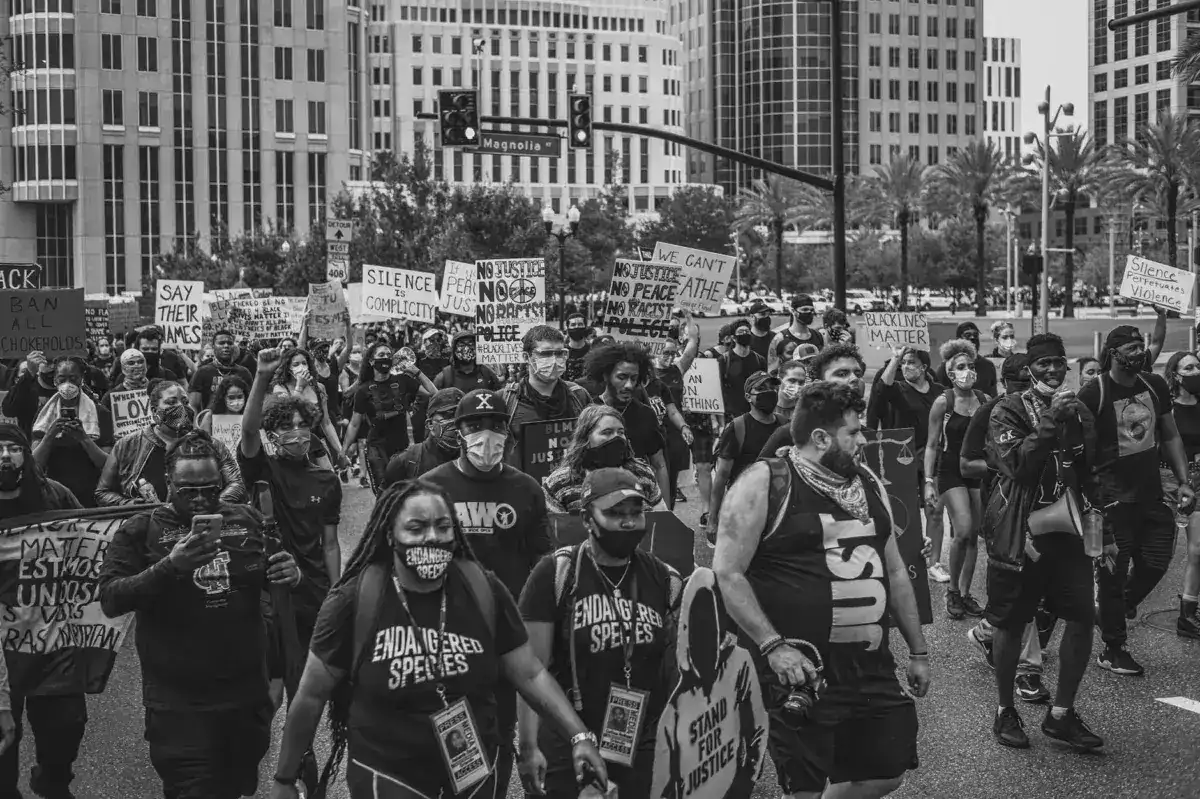
Hundreds of activists, students, and civil rights leaders converged on Montgomery, Alabama, this week to retrace the historic 1965 voting rights march, marking a dual mission of honoring the past while protesting contemporary legislative restrictions on ballot access. The commemorative trek, which spans the route from Selma to the state capital, serves as a symbolic bridge between the era of the Voting Rights Act and the current landscape of strict voter identification laws and polling place consolidation.
The Historical Context of the 1965 Movement
In 1965, the original marchers faced brutal state-sanctioned violence on ‘Bloody Sunday’ as they sought to secure the franchise for Black Americans. Their perseverance catalyzed the passage of the Voting Rights Act of 1965, which provided federal oversight of election practices in jurisdictions with a history of discriminatory voting policies. For decades, this legislation stood as the cornerstone of American electoral equity, preventing systemic disenfranchisement.
Modern Challenges to Electoral Access
While the physical path remains the same, the obstacles facing activists today have shifted from overt intimidation to nuanced administrative barriers. Organizations participating in this year’s march point to the Supreme Court’s 2013 decision in Shelby County v. Holder, which effectively gutted the preclearance requirements of the Voting Rights Act. Legal analysts note that since this ruling, numerous states have implemented stricter voter ID requirements, reduced early voting windows, and closed thousands of polling stations in predominantly minority districts.
Expert Perspectives on the Current Landscape
Legal scholars and civil rights advocates argue that the current legislative climate mirrors the systemic barriers of the mid-20th century, albeit in a more bureaucratic form. ‘We are seeing a trend where the fight has moved from the streets to the courtroom and the statehouse,’ says Dr. Marcus Thorne, a political science researcher focused on democratic institutions. Data from the Brennan Center for Justice supports this, reporting that since 2021, dozens of states have enacted laws that make it harder for citizens to vote by mail or cast ballots in person without specific documentation.
Industry and Societal Implications
For the average voter, these shifts represent an increasing burden of proof to participate in local and national elections. The push for new voting regulations has divided the political landscape, with proponents arguing that such measures ensure election integrity and security. Conversely, opponents contend that these laws disproportionately impact elderly, low-income, and minority populations who may lack the necessary resources to navigate changing requirements.
Future Outlook and Legislative Monitoring
As the marchers complete their journey in Montgomery, the focus for advocacy groups shifts toward the federal level and the potential for new national voting rights legislation. Observers are keeping a close watch on the John Lewis Voting Rights Advancement Act, a bill currently stalled in Congress that aims to restore federal oversight of election laws. The coming months will likely see increased grassroots organizing efforts aimed at influencing state-level redistricting processes and local election board appointments, which remain the front lines of the modern voting rights battle.