








The Evolving Landscape of Dengue Management
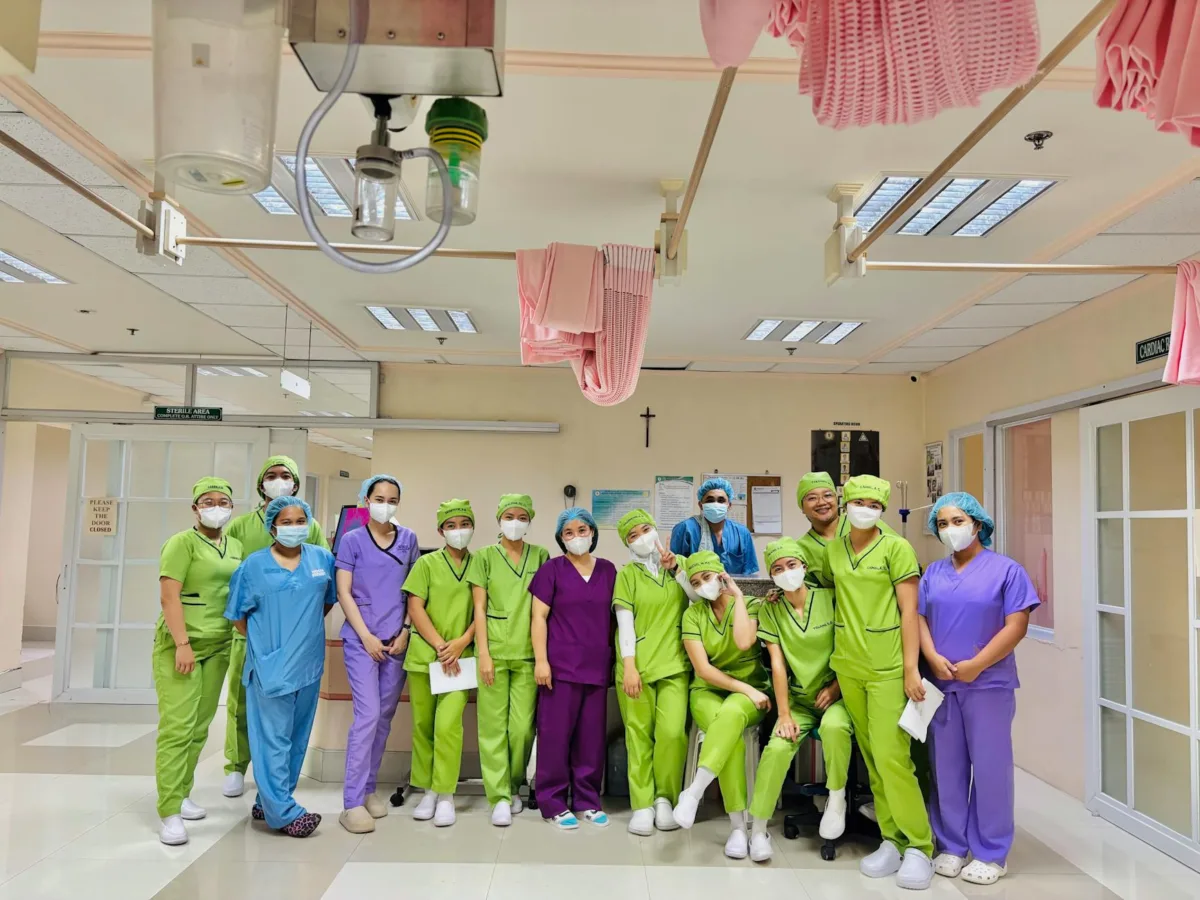
Health officials and medical institutions across India observed National Dengue Day this week, emphasizing a critical shift in strategy as the mosquito-borne virus transitions from a seasonal concern to a persistent, year-round threat. Events held at facilities ranging from Dr. RP Hospital in Mayabunder to civil hospitals in Phagwara underscored a coordinated national effort to combat rising infection rates through early detection and heightened public awareness.
Historically, dengue outbreaks were largely confined to the post-monsoon months, dictated by the breeding cycles of the Aedes aegypti mosquito. However, changing climatic patterns and rapid urbanization have created environments where the virus can circulate throughout the year. Data from recent prevention campaigns, including extensive testing drives in states like Gujarat where over 2.56 lakh fever samples were processed, highlight the sheer scale of the surveillance required to manage the modern burden of the disease.
Understanding the Rising Clinical Burden
Medical experts warn that the clinical profile of dengue is becoming increasingly complex. While public health messaging has long focused on pediatric risks, current data indicates a rising burden among the adult population, particularly those managing underlying comorbidities. Dr. Neha Gupta, a leading medical voice on the subject, notes that the “hidden severity” of dengue in adults often leads to delayed medical intervention, as symptoms are frequently misattributed to other viral fevers or lifestyle-related conditions.
This delay in seeking care remains one of the primary drivers of mortality. Families are often missing the early warning signs, such as persistent high fever, joint pain, and subtle changes in platelet counts. The integration of diagnostic testing into routine primary healthcare—as seen in the increased testing capacity across various civil hospitals—is designed to bridge this gap by ensuring that cases are identified before they reach a critical stage.
Strategic Shifts in Public Health
The public health response is shifting toward a model of constant vigilance rather than reactive mobilization. By institutionalizing National Dengue Day, the government aims to keep vector control and community sanitation at the forefront of the public consciousness. Hospitals are now focusing on educating households about the importance of eliminating stagnant water sources, which remain the primary breeding grounds for the Aedes mosquito regardless of the season.
The economic and social impact of these year-round outbreaks is significant, placing immense pressure on both rural health centers and urban hospital infrastructures. As the frequency of these cases increases, the demand for rapid diagnostic kits and trained personnel has surged, prompting state governments to allocate more resources toward sustained laboratory surveillance. This proactive approach is intended to decentralize care, allowing local clinics to manage stable cases and reducing the strain on tertiary care facilities.
The Road Ahead
Looking forward, the focus will likely move toward the development of more robust, year-round vector control technologies and the potential for large-scale vaccination programs. Industry analysts are also watching for advancements in point-of-care testing that could allow for near-instant diagnosis in remote regions. The effectiveness of these measures will depend heavily on the sustained engagement of community health workers and the public’s ability to recognize the evolving, year-round nature of the threat.