








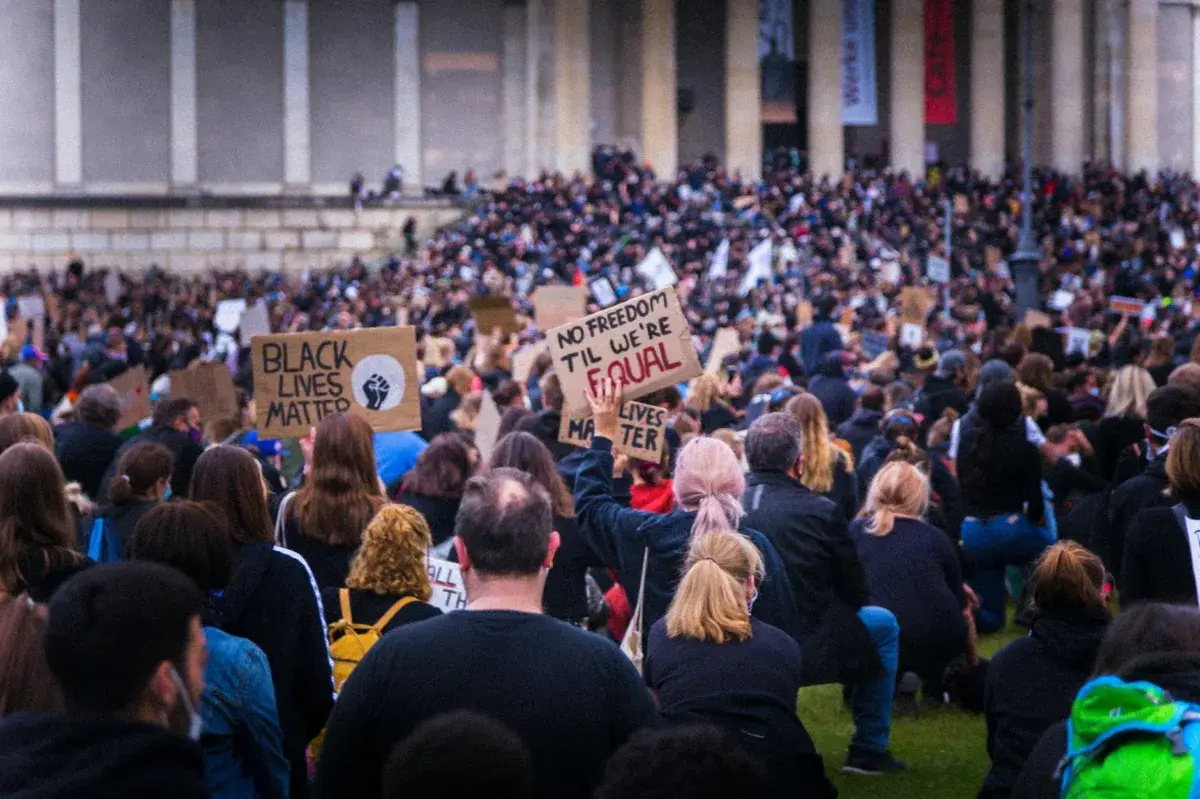
Thousands of demonstrators gathered in Montgomery, Alabama, on Saturday to protest the erosion of Black political representation as conservative-led states move to dismantle congressional districts. The rally, which spanned from the historic site of the Selma-to-Montgomery march to the state Capitol, served as a call to action against shifting redistricting policies that critics argue mirror the exclusionary tactics of the Jim Crow era.
The Context of Shifting Voting Laws
The urgency of the protest stems from a series of legal setbacks that have weakened the Voting Rights Act of 1965. Following the Supreme Court’s 2013 decision that effectively gutted federal preclearance requirements for states with histories of discrimination, jurisdictions have increasingly implemented stricter voter ID laws and registration hurdles. A recent high-court ruling regarding Louisiana has further narrowed the scope of voting protections, creating a legal environment that allows states more latitude to redraw electoral maps.
The Battle for Congressional Districts
The epicenter of this legal struggle is Alabama’s 2nd Congressional District, a seat recently redrawn by a federal court to ensure Black voters had a fair opportunity to elect a candidate of their choosing. Despite this, the Supreme Court has cleared the way for alternative maps that could potentially allow the Republican Party to reclaim the district. Proponents of these new maps, including Alabama House Speaker Nathaniel Ledbetter, argue that the state is simply revisiting lines that were unfairly imposed by federal intervention.
Expert Perspectives on Political Representation
For many, the current legislative climate represents a regression in civil rights progress. Democratic Representative Shomari Figures emphasized that the fight is not about individual political ambition, but about the fundamental right to diverse representation. Activists like Evan Milligan, a lead plaintiff in the Alabama redistricting case, acknowledged the gravity of the situation, noting that while the implosion of landmark voting protections is a sobering reality, it necessitates a renewed commitment to organizing and legal advocacy.
The Human Toll of Legislative Rollbacks
For veterans of the 1960s civil rights struggle, the pace of these changes is particularly distressing. Kirk Carrington, 75, who witnessed the violence of