








Market Shifts Drive Aggressive Flagship Pricing
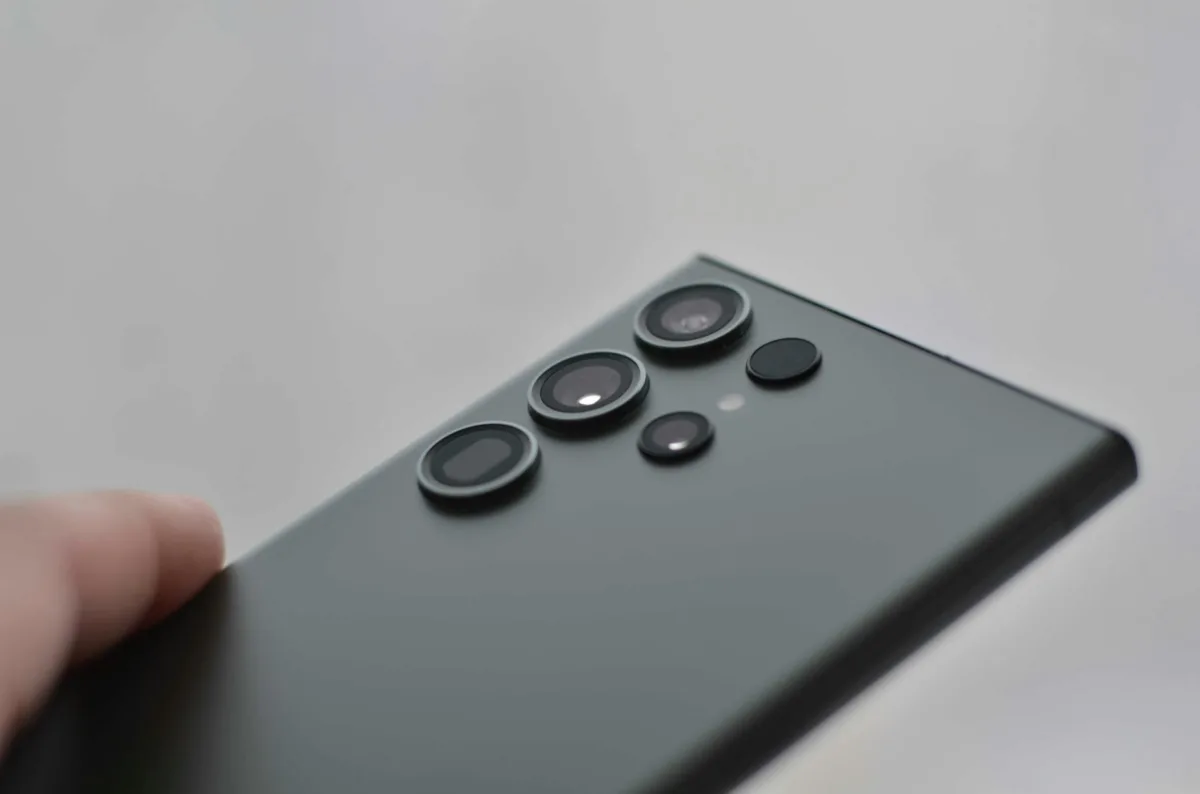
Major smartphone manufacturers, including Samsung, Google, and Xiaomi, have initiated widespread price reductions across their current flagship lineups this week, impacting markets from North America to India. These mid-cycle adjustments, affecting devices like the Galaxy S26 Ultra and the Pixel 10 Pro, reflect a broader industry effort to stimulate consumer demand as retailers clear inventory for upcoming mid-year refresh cycles.
Contextualizing the Current Retail Landscape
The smartphone industry has faced a challenging fiscal environment characterized by cooling consumer spending and longer device replacement cycles. To counter stagnant growth, manufacturers have increasingly turned to aggressive promotional strategies and early-cycle discounting to maintain market share. Recent reports indicate that the Samsung Galaxy S25, for instance, has seen its retail price drop below the Rs 54,000 threshold in the Indian market, signaling a shift toward more accessible pricing tiers for high-end hardware.
Multiple Angles of Market Competition
The current discounting wave is not limited to older models but extends to recently released flagship devices. Retailers are leveraging bundle offers and direct price cuts to differentiate their platforms in a crowded market. Industry analysts observe that while these discounts benefit consumers, they also place significant pressure on profit margins for both original equipment manufacturers and third-party retailers.
Xiaomi’s 17 Ultra and Motorola’s latest foldable offerings are also entering the fray, with pre-order incentives designed to capture early adopters. The strategy focuses on locking consumers into specific hardware ecosystems while the devices remain at the peak of their technological relevance. This tactical pricing is particularly prevalent in regional markets where price sensitivity remains a primary driver of purchasing decisions.
Expert Insights on Consumer Behavior
Data from retail trackers suggest that price-sensitive consumers are increasingly waiting for the first wave of discounts before committing to a premium purchase. Market analysts note that the window between a product’s launch and its first significant price reduction has shortened by approximately 15% over the last two years. This acceleration forces brands to sustain a constant state of promotional activity to keep their latest handsets competitive against both internal legacy models and external rivals.
Future Implications for the Mobile Sector
As these aggressive pricing strategies become the new norm, the industry faces potential long-term shifts in perceived value for flagship devices. Observers should watch for how manufacturers balance these lower entry prices with the rising costs of advanced components like AI-integrated chipsets and high-end camera sensors. The coming quarter will likely reveal whether these temporary discounts successfully bolster shipment volumes or if they signal a permanent downward correction in the premium smartphone pricing structure.