








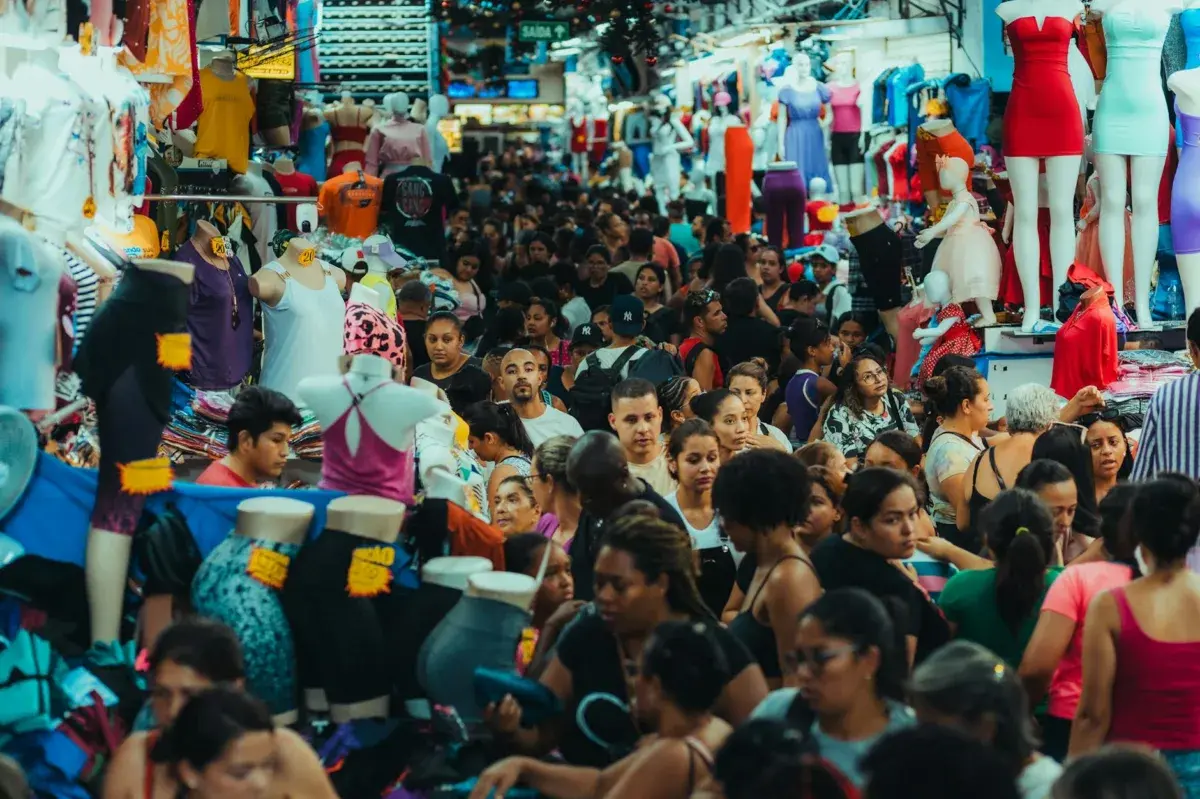
High-end horology met mass-market frenzy this week as the highly anticipated collaboration between Audemars Piguet and Swatch triggered unprecedented retail disruptions across major global cities, including Delhi, Mumbai, Liverpool, and Manchester. The launch event, intended to celebrate a limited-edition ‘Royal Pop’ pocket watch, descended into chaos as thousands of shoppers converged on physical storefronts, forcing the brand to shutter locations prematurely due to safety concerns and unruly crowd behavior.
The Anatomy of a Hype-Driven Launch
The collaboration represents a rare intersection of luxury pedigree and accessible street culture. By marrying the iconic design language of Audemars Piguet’s Royal Oak with the playful, affordable engineering of Swatch, the brands created an immediate target for collectors and resellers alike.
However, the strategy of limiting distribution to select brick-and-mortar locations created a bottleneck. In India, reports of ‘animalistic’ behavior among crowds led to the total cancellation of launch events in major metropolitan hubs. Similarly, Swatch stores in the United Kingdom were forced to remain closed for consecutive days to allow security teams to manage the fallout from the initial surge.
A Pattern of Scarcity and Social Media Fuel
Industry analysts suggest that the chaos stems from a calculated scarcity model. By keeping supply intentionally low while leveraging social media influencers to build anticipation, the brands successfully generated massive demand.
Data from secondary market trackers indicates that hype-driven releases often lead to price premiums exceeding 500% within hours of launch. This financial incentive draws not only genuine horology enthusiasts but also professional resellers, creating a volatile environment at physical retail touchpoints.
Expert Perspectives on Retail Security
Security experts emphasize that luxury brands are increasingly ill-equipped to handle the dynamics of ‘drop culture.’ While traditional luxury retail relies on appointments and exclusivity, the democratization of hype has brought a different demographic to the storefronts—one that prioritizes speed and volume over the traditional, curated shopping experience.
Retail consultants note that the decision to force in-person purchases in an era of sophisticated e-commerce is increasingly viewed as an outdated tactic. The logistical failure at these locations suggests that brands must now weigh the marketing benefit of a ‘frenzy’ against the tangible risks of property damage and staff safety.
Future Implications for the Watch Industry
The events surrounding the Royal Pop launch serve as a cautionary tale for the luxury sector. Brands that continue to utilize physical-only drops to generate buzz will likely face mounting pressure from municipal authorities to implement more robust crowd-control measures or transition to digital-first lottery systems.
Watch enthusiasts should expect a shift toward digital queues and verified-buyer programs for future high-profile collaborations. As the industry looks ahead, the primary question remains whether the marketing value of retail chaos outweighs the long-term impact on brand prestige and the physical safety of the consumer base.