







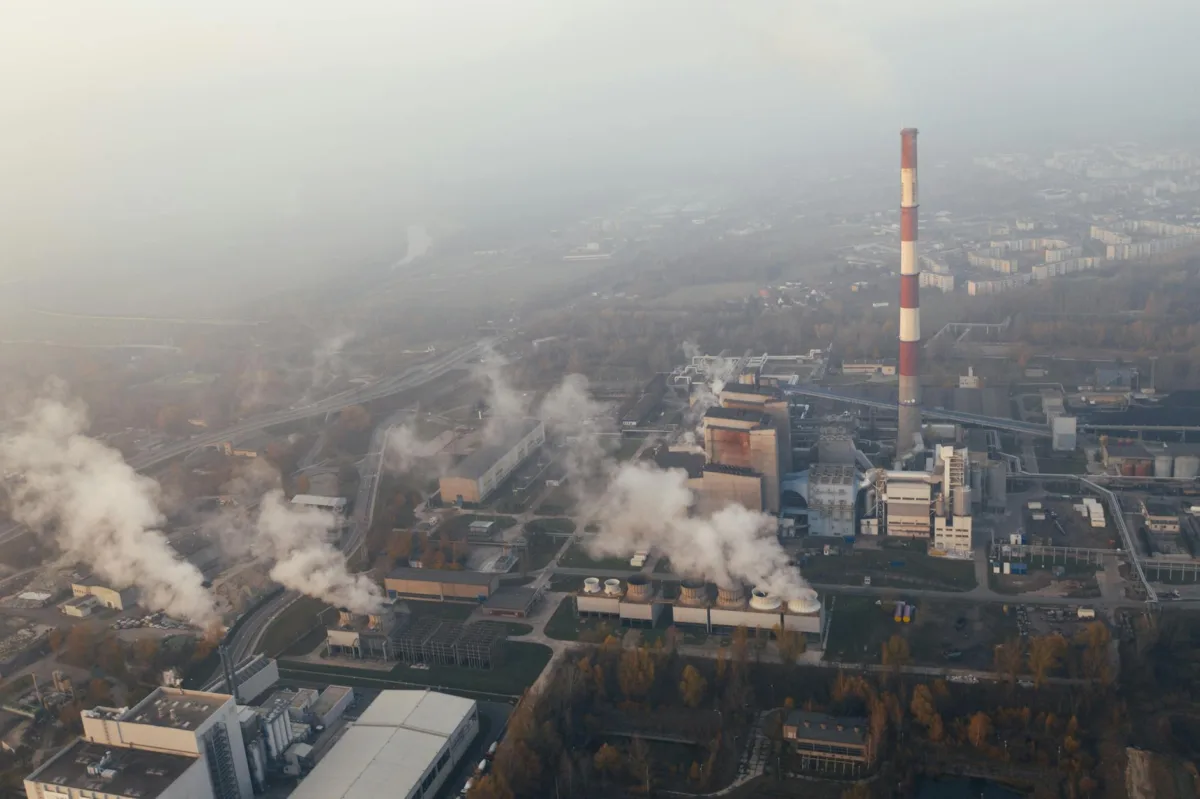
Authorities in the United Arab Emirates and Saudi Arabia reported a series of drone incursions targeting critical infrastructure this week, marking a significant escalation in regional security tensions amid a persistent diplomatic stalemate with Iran. The incidents, which included a strike near the Barakah nuclear power plant in Abu Dhabi, have prompted international concern and raised questions regarding the stability of energy facilities across the Persian Gulf.
Contextualizing the Escalation
The drone activity follows months of stalled negotiations between Tehran and Western powers regarding the revival of the 2015 nuclear deal. Regional security experts have long warned that the breakdown in diplomatic channels could lead to an increase in gray-zone warfare, where non-state actors or proxy groups utilize low-cost aerial technology to exert political pressure.
Historically, the UAE has maintained a position of strategic neutrality, attempting to balance economic integration with regional security interests. However, the proximity of these strikes to the Barakah nuclear facility—the first of its kind in the Arab world—represents a departure from previous patterns of regional aggression that typically avoided critical nuclear infrastructure.
Analyzing the Drone Threat
Defense analysts point to the increasing sophistication of drone technology as a primary factor in the shifting security landscape. These unmanned aerial systems, often difficult to detect with traditional radar, allow regional actors to conduct precision attacks without the immediate attribution associated with conventional military strikes.
According to data from regional security think tanks, the frequency of drone-related incidents in the Gulf has increased by nearly 30% over the last fiscal year. The attack in the UAE resulted in a localized fire, which authorities contained quickly, though the psychological impact on regional energy markets remains significant.
Expert Perspectives
“The targeting of nuclear infrastructure is a threshold event that changes the calculus for regional defense,” said a senior security analyst at a major Middle Eastern policy institute. “It forces nations that previously relied on conventional deterrence to invest heavily in multi-layered, localized air defense systems capable of identifying and neutralizing small-signature threats.”
International observers, including officials from India, have issued statements expressing deep concern over the pattern of strikes. These nations emphasize that the security of nuclear facilities is a global imperative, and any disruption to these sites poses a risk of environmental and economic fallout that extends well beyond the borders of the Gulf Cooperation Council.
Future Implications for Regional Stability
The immediate consequence of these events is a heightened state of readiness across the Gulf, with Saudi and Emirati forces bolstering patrols near energy hubs. For global energy markets, the perception of increased risk surrounding UAE infrastructure may lead to a volatility premium in oil and gas pricing as traders account for the potential for further disruptions.
Observers are closely monitoring whether these incidents will lead to a broader regional conflict or if they will serve as a catalyst for renewed diplomatic backchanneling. The focus in the coming weeks will remain on the efficacy of regional air defense upgrades and the ability of international mediators to de-escalate the rhetoric between Tehran and its neighbors before the situation deteriorates further.