








The Expiration of Strategic Waivers
The Trump administration has allowed critical waivers permitting the purchase of Russian crude oil to expire this week, a move that significantly restricts global energy supply channels amid escalating tensions in the Strait of Hormuz. This decision directly impacts major importers like India, which had previously relied on these exemptions to maintain affordable energy imports while navigating geopolitical sanctions. The policy shift arrives at a volatile moment, as the ongoing conflict in the Middle East continues to threaten key shipping lanes, creating a double-pressure scenario for global oil prices.
Understanding the Sanctions Landscape
For several months, the United States had granted temporary waivers to specific nations, allowing them to continue purchasing Russian oil despite broader sanctions aimed at curbing Moscow’s revenue streams. These waivers served as a safety valve, preventing a sudden supply shock in the global market and providing breathing room for energy-dependent economies. By allowing these exemptions to lapse, the administration is signaling a stricter enforcement of the price cap coalition, aiming to maximize economic pressure on Russia.
Market Volatility and Supply Constraints
The expiration of these waivers forces major importers to scramble for alternative suppliers in a market already strained by OPEC+ production cuts and regional instability. Analysts warn that the loss of Russian crude as a compliant option will likely push buyers toward Middle Eastern producers, further tightening supply and increasing competition for available barrels. As demand remains robust in emerging markets, the reduction in available supply sources is expected to exert upward pressure on global benchmark prices.
Expert Perspectives on Energy Security
Energy market analysts indicate that the timing of this policy shift could not be more challenging. With the Strait of Hormuz—the world’s most important oil transit chokepoint—experiencing heightened military activity, the risk of supply chain disruptions has reached its highest level in years. According to recent data from the International Energy Agency (IEA), any further restriction on global oil flow could lead to significant price volatility, particularly for Asian economies that lack domestic energy production.
The Geopolitical Ripple Effect
The decision has triggered intense political debate within countries like India, where the government is now facing domestic criticism for its reliance on foreign energy diplomacy. Officials in New Delhi have been actively lobbying Washington for an extension of the waivers, arguing that the sudden cutoff threatens national energy security and inflationary stability. However, the U.S. stance suggests a prioritization of its broader geopolitical strategy over the immediate economic concerns of its partners.
Future Market Outlook
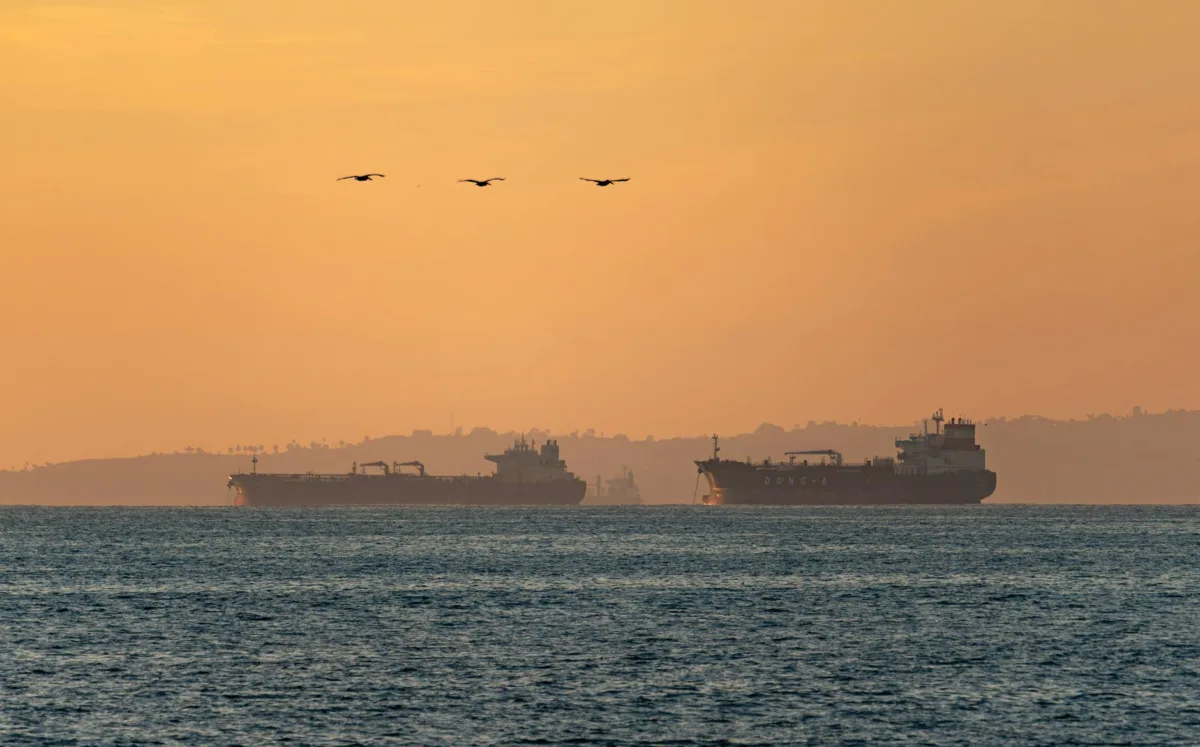
Market participants are now watching for signs of how quickly alternative supply chains can be established to fill the void left by Russian crude. The coming weeks will be critical as traders monitor tanker movements and the potential for new, non-sanctioned supply agreements. Observers should keep a close eye on the next OPEC+ meeting, as the organization’s response to these tightened conditions will determine whether global markets experience a period of sustained high prices or a shift toward new, non-aligned energy partnerships.