







Geopolitical analysts and military strategists are intensifying their focus on the Taiwan Strait this year as Beijing increases its diplomatic and military pressure on the self-governing island. The escalation, characterized by frequent incursions into Taiwan’s Air Defense Identification Zone (ADIZ) and rising rhetoric regarding reunification, has prompted a global debate over the necessity of maintaining regional stability to protect both democratic sovereignty and the integrity of the global supply chain.
Contextualizing the Cross-Strait Friction
The tension surrounding Taiwan is rooted in a decades-long dispute over the island’s political status, which remains one of the most volatile flashpoints in international relations. While the People’s Republic of China views Taiwan as a breakaway province that must eventually be reunited with the mainland, Taiwan operates as a functioning democracy with its own government, military, and economic systems.
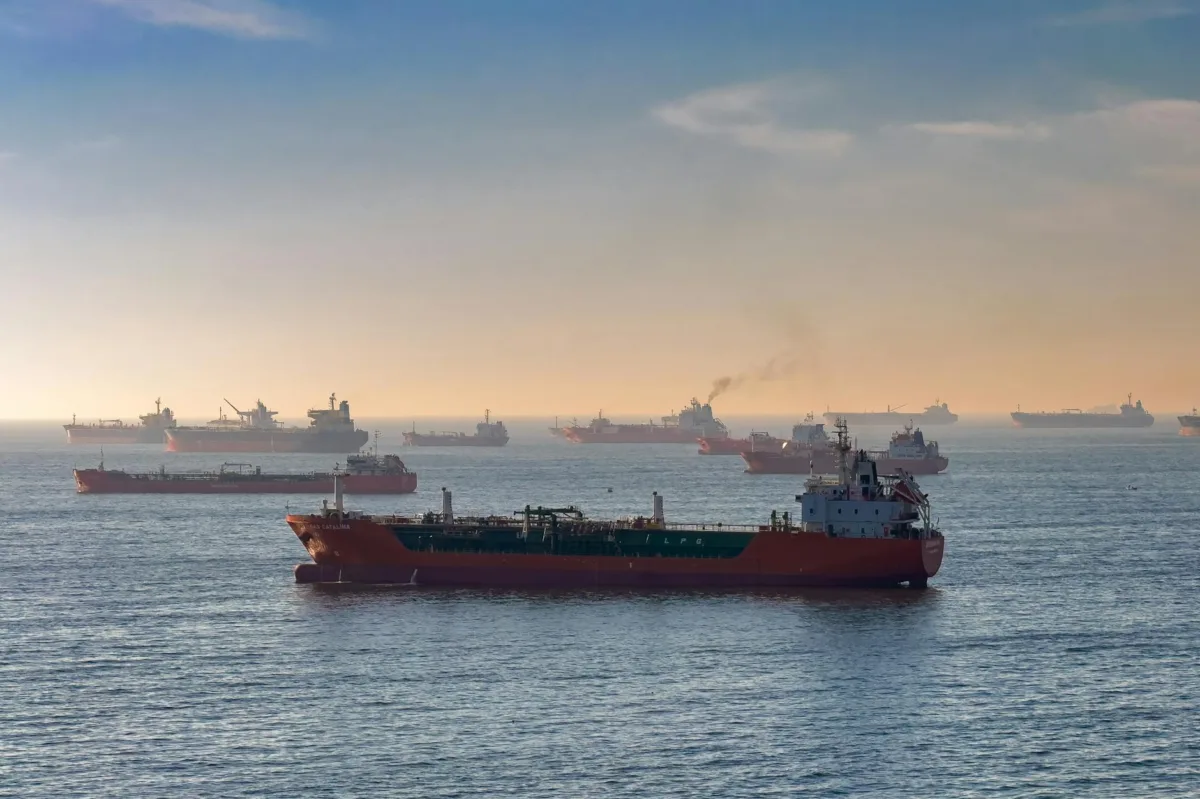
Recent shifts in the regional status quo have been driven by China’s rapid military modernization and an increasing assertiveness in the South China Sea. International observers note that the strategic importance of the region extends far beyond territorial sovereignty, as the Taiwan Strait serves as a critical artery for global maritime trade.
Economic and Technological Dependencies
A primary concern for global policymakers is Taiwan’s dominance in the semiconductor industry. Taiwan Semiconductor Manufacturing Company (TSMC) produces the vast majority of the world’s most advanced microchips, which are essential for everything from consumer smartphones to sophisticated military hardware and artificial intelligence infrastructure.
Data from the Semiconductor Industry Association indicates that any disruption to production in Taiwan would trigger a global economic shock, potentially costing the world economy trillions of dollars. Industry experts argue that the vulnerability of these supply chains has made Taiwan’s security a matter of national interest for the United States, Japan, and the European Union.
Military Posture and Deterrence
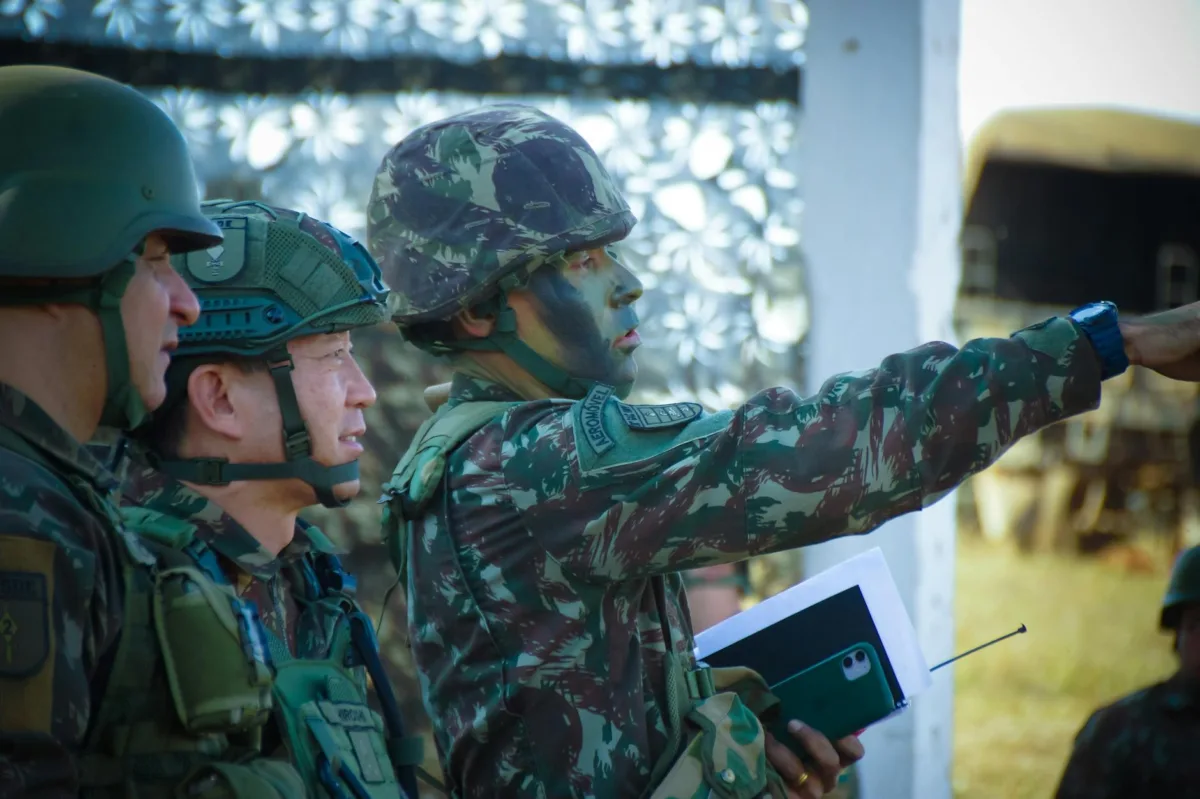
Military analysts highlight the asymmetrical nature of the threat facing Taiwan. While China possesses a significant numerical advantage in naval and aerial platforms, the geography of the Taiwan Strait creates significant logistical hurdles for an invading force.
The U.S. government continues to operate under the Taiwan Relations Act, which mandates providing the island with the means to defend itself. However, the debate now centers on whether the current policy of