






The Emergence of a New Geopolitical Frontier
Tehran is increasingly pivoting its strategic focus toward the vulnerable network of undersea fiber-optic cables traversing the Persian Gulf, signaling a potential shift in regional power dynamics beyond the traditional maritime chokepoint of the Strait of Hormuz. Analysts suggest this move follows years of heightened tensions in the Gulf, where Iran has historically leveraged its proximity to global oil shipping lanes to exert geopolitical pressure. By targeting the digital arteries of the modern economy, Iran aims to expand its influence into the realm of critical information infrastructure.
Contextualizing the Vulnerability of Global Connectivity
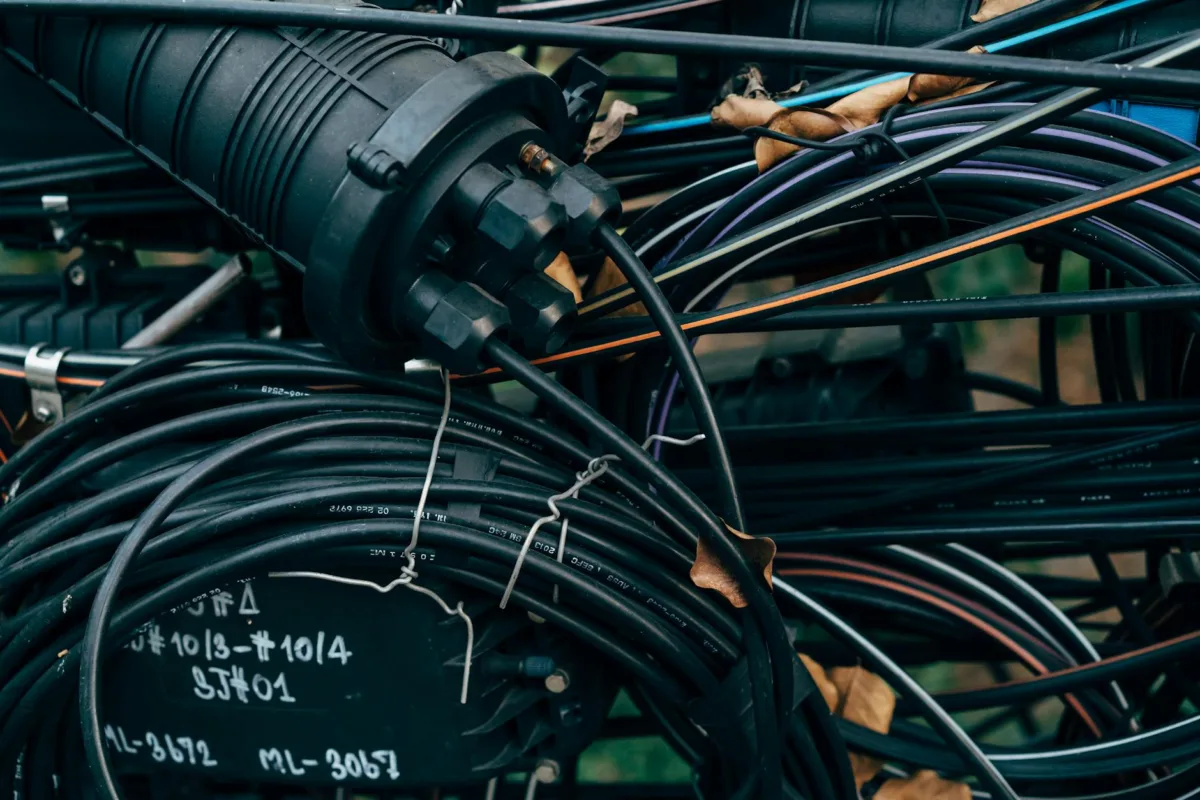
The Strait of Hormuz has long been recognized as the world’s most significant oil chokepoint, facilitating the transit of approximately 20% of global petroleum consumption. However, as the global economy has digitized, the seabed beneath these waters has become crowded with a dense web of subsea cables that carry the vast majority of international data traffic. These cables are the backbone of global finance, cloud computing, and military communications, yet they remain notoriously difficult to protect due to their location in deep, often international, waters.
The Shift Toward Asymmetric Warfare
Security experts argue that Iran’s interest in subsea infrastructure represents an evolution toward asymmetric warfare. Unlike traditional naval blockades, which draw immediate international scrutiny and military response, interfering with undersea data cables can be conducted with greater deniability. This strategy complicates the calculus for regional adversaries and Western powers, who must now account for threats to both physical energy supply chains and the invisible flow of digital data.
Expert Analysis on Digital Security
Strategic researchers at organizations like Vision IAS have highlighted that the growing reliance on subsea infrastructure has outpaced the development of international legal frameworks to protect them. According to industry data, there are over 400 active subsea cables globally, and the Persian Gulf has become a high-density zone for these critical links. Security analysts note that even minor disruptions to these cables could cause significant economic volatility, as modern high-frequency trading and global communication networks are highly sensitive to latency and connectivity outages.
Implications for Global Stability
For the international community, this development underscores the urgent need for enhanced surveillance of the seabed. Industry leaders warn that if state actors begin treating data cables as legitimate targets in geopolitical disputes, the cost of securing global internet traffic could skyrocket. This shift necessitates a re-evaluation of maritime security doctrines, moving beyond the protection of tankers to the protection of the digital infrastructure that underpins the modern globalized economy.
Watching the Horizon
Moving forward, observers are monitoring the deployment of specialized underwater surveillance drones and deep-sea monitoring technology by regional actors. The next phase of this tension will likely involve the implementation of more robust international monitoring systems and potential new treaties aimed at protecting seabed infrastructure from state-sponsored sabotage. As these digital arteries become a focal point of state power, the ability to safeguard them will be a defining factor in regional stability throughout the coming decade.