









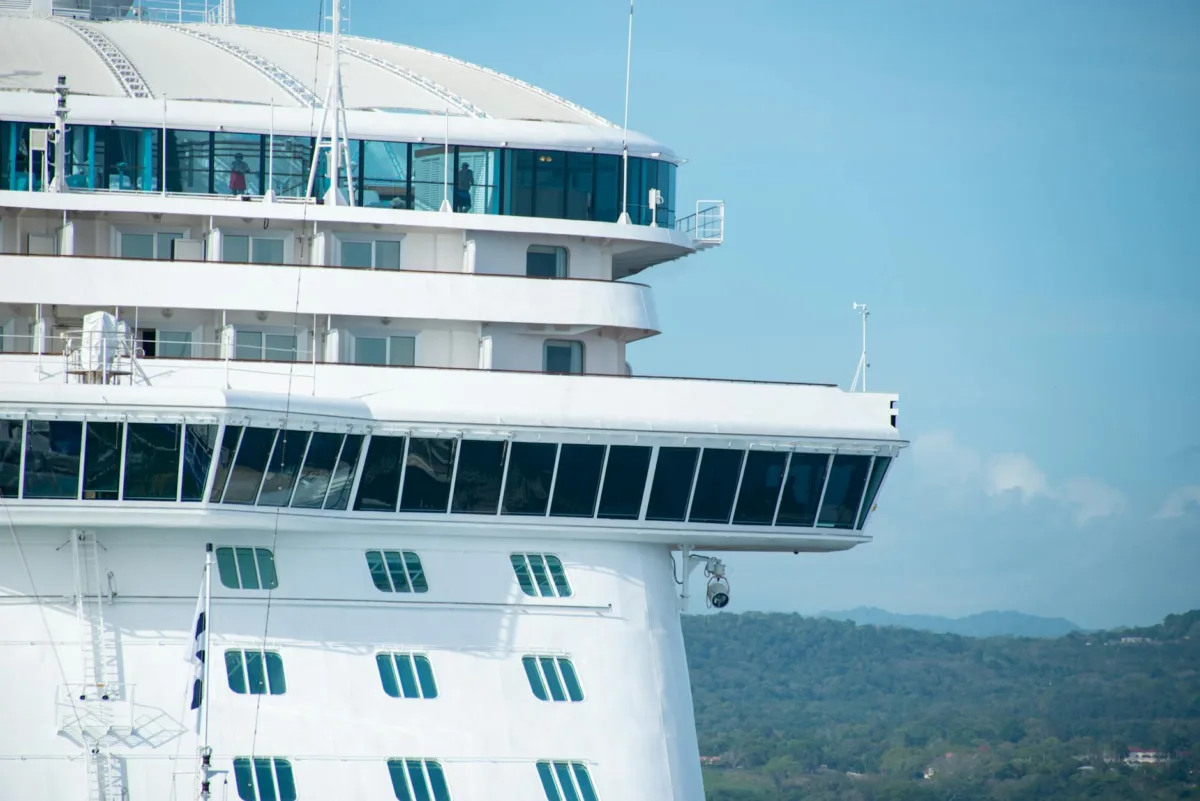
Public Health Emergency Declared
Federal health officials have launched an urgent investigation after a confirmed hantavirus outbreak aboard a commercial cruise ship docked in a major U.S. port this week. The Centers for Disease Control and Prevention (CDC) confirmed that multiple passengers and crew members have tested positive for the rare, often severe respiratory virus, prompting an immediate quarantine of the vessel and a nationwide advisory for recent travelers.
Hantavirus is typically transmitted to humans through contact with the urine, droppings, or saliva of infected rodents. While outbreaks on maritime vessels are historically unprecedented, authorities are working to determine how the virus was introduced to the ship’s confined environment.
Contextualizing the Threat
Hantavirus Pulmonary Syndrome (HPS) is a severe respiratory disease caused by hantaviruses found in North America. According to the CDC, human infection typically occurs when aerosolized particles from rodent waste are inhaled, often in rural or poorly ventilated areas.
Unlike influenza or COVID-19, hantavirus is not known to spread from person to person. The sudden emergence of cases on a cruise ship has challenged existing epidemiological models, forcing experts to re-evaluate the potential for transmission in high-density indoor environments.
Investigative Efforts and Containment
State and federal health departments are currently mapping the movements of all passengers who disembarked from the vessel within the last 14 days. The cruise line has suspended all operations and is cooperating with environmental health specialists to sanitize the ship’s ventilation systems and storage compartments.
Dr. Elena Vance, a lead epidemiologist overseeing the response, noted that the primary objective is identifying the source of the initial rodent infestation. “We are conducting a comprehensive environmental assessment to locate any potential nesting sites within the ship’s lower decks,” Vance stated during a press briefing yesterday.
Data from the World Health Organization indicates that while HPS cases are sporadic, they carry a high mortality rate if not treated during the early stages of respiratory distress. Hospitals in the surrounding region have been put on high alert to monitor for patients presenting with symptoms such as fever, muscle aches, and progressive shortness of breath.
Industry and Consumer Implications
The cruise industry is bracing for a significant blow to consumer confidence as the news spreads. Shares in major maritime travel companies saw a sharp decline in pre-market trading, reflecting investor anxiety over potential long-term operational restrictions.
For the general public, the incident serves as a stark reminder of the importance of vigilance in travel hygiene. Health experts are advising travelers to report any contact with rodents or unusual environmental conditions to ship staff immediately. Cruise operators are expected to implement more rigorous pest control protocols, likely leading to increased inspections and mandatory reporting requirements for sanitation logs.
Future Outlook and Surveillance
As the investigation unfolds, public health agencies are closely monitoring for secondary cases among passengers who have already traveled home. The CDC has requested that all individuals who were aboard the ship in the last three weeks monitor their health closely and seek medical attention if symptoms develop.
Industry analysts are watching to see if this incident triggers a permanent shift in maritime health regulations. The next phase of the investigation will focus on whether current ship construction materials or storage practices inadvertently create habitats for rodent vectors, a finding that could necessitate a massive overhaul of maritime safety standards worldwide.