








Court Ruling on the Bhojshala Complex
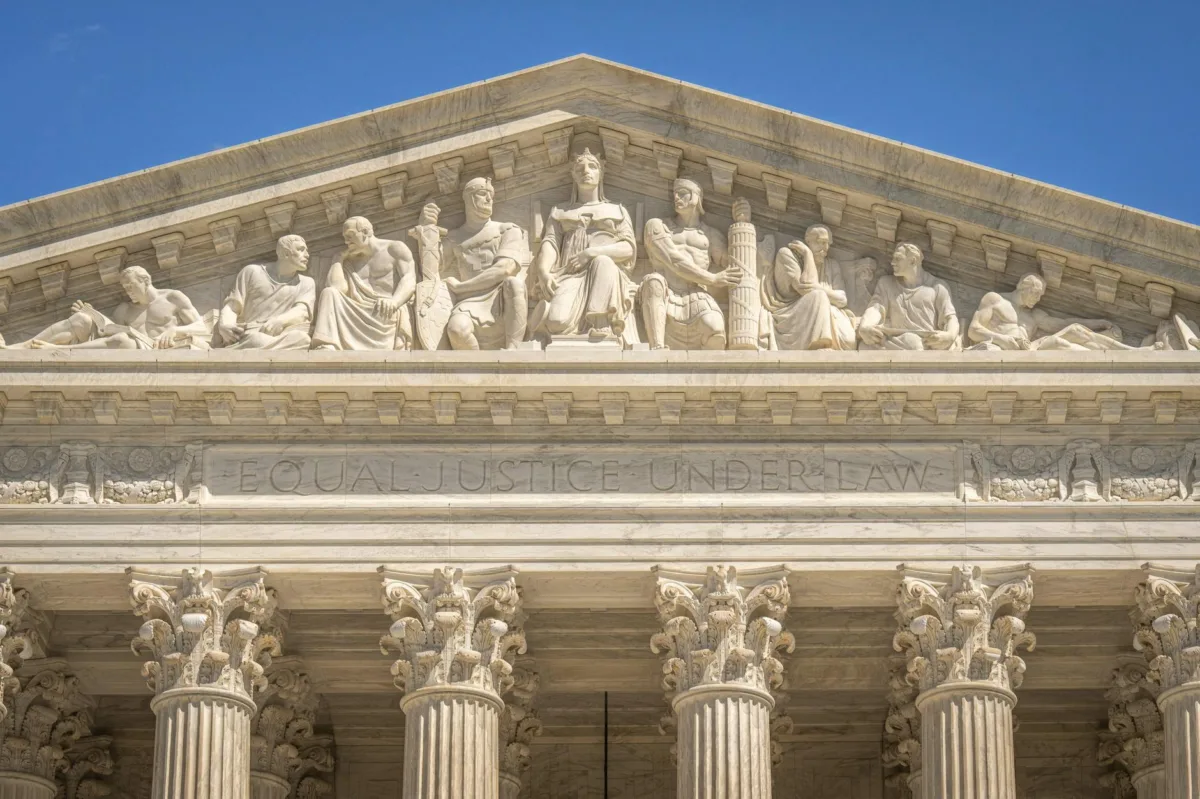
The Madhya Pradesh High Court issued a definitive ruling this week regarding the Bhojshala complex in Dhar, officially declaring the site a Hindu temple and quashing a previous Archaeological Survey of India (ASI) circular that had permitted Muslim prayers on the premises. The decision, delivered by a division bench, marks a significant legal milestone in a decades-long dispute over the 11th-century monument, which has been a flashpoint for communal tension in the region.
Background of the Dispute
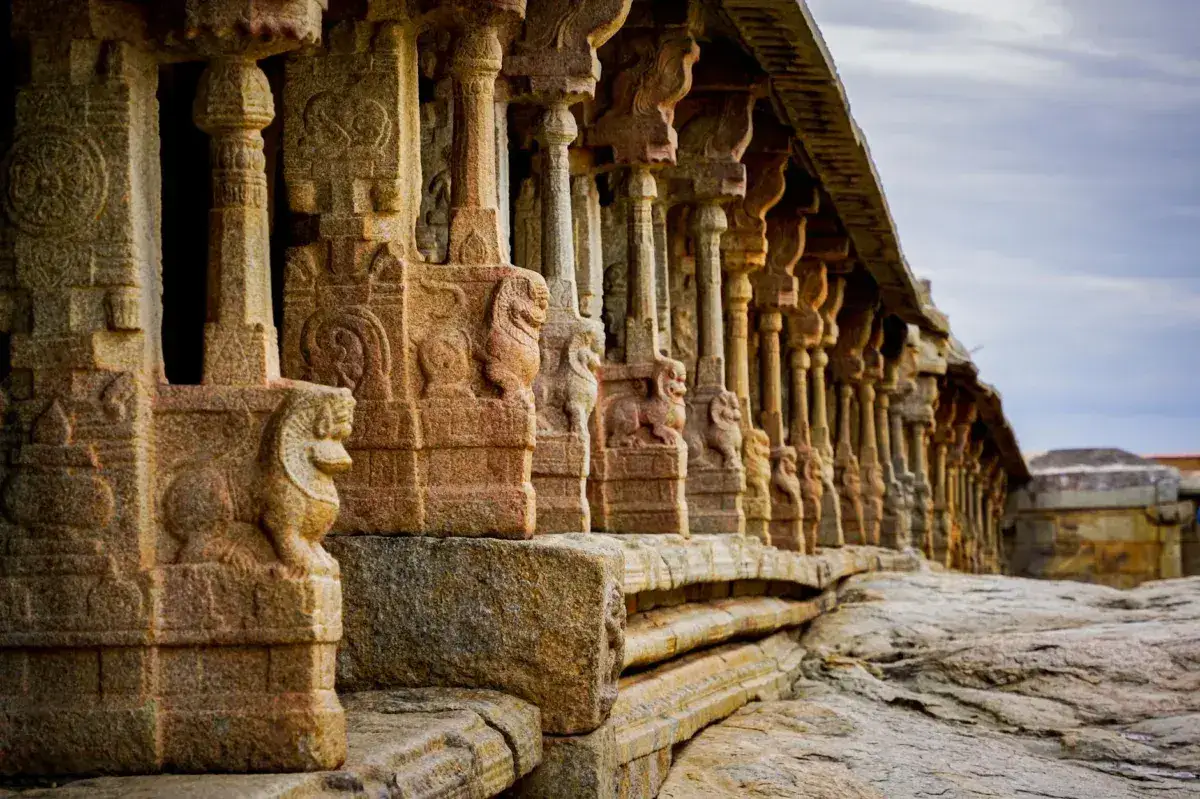
The Bhojshala complex, a site under the protection of the Archaeological Survey of India, has long been claimed by both Hindu and Muslim communities. Hindus identify the structure as a temple dedicated to Goddess Vagdevi (Saraswati), while Muslims have traditionally identified it as the Kamal Maula Mosque. For years, the site has operated under a delicate arrangement where both groups were granted specific days or hours for worship, a practice now significantly altered by the court’s latest directive.
Legal Arguments and Judicial Analysis
During the proceedings, the court heard extensive arguments regarding the architectural and historical nature of the structure. The court specifically rejected claims put forth by litigants asserting that the site functioned as a Jain temple, favoring arguments that categorized the site as a Hindu temple complex. The legal team representing the Hindu petitioners hailed the verdict as a validation of their historical claims, noting that the judicial recognition provides a clearer path forward for the management of the monument.
Sociopolitical Repercussions
The verdict has drawn polarized responses from across the country. Hindu groups celebrated the decision with public displays of support, while representatives from the Muslim community expressed deep concern over the ruling. The Jamiat Ulema-e-Hind stated that the judgment validates fears regarding the erosion of existing worship rights for the Muslim community. In response to the high-stakes nature of the ruling, local authorities in Dhar deployed heavy security contingents to prevent potential unrest and maintain public order.
Future Legal Challenges
The legal battle is expected to continue as representatives for the Muslim side have signaled their intent to challenge the High Court’s decision in the Supreme Court of India. Legal analysts suggest that the appeal will likely focus on the procedural aspects of the ASI’s previous circular and the historical interpretation of the site’s usage. As the matter moves toward the apex court, observers are closely monitoring the potential for national-level implications regarding the legal status of disputed religious sites across India.
Industry and Social Implications
The ruling sets a significant precedent for how historical monuments with contested religious identities are managed by the Archaeological Survey of India. For the tourism and heritage sectors, the decision highlights the ongoing complexities of balancing historical preservation with active religious practice. Observers should monitor whether this ruling prompts similar litigation for other sites across the country, as the judiciary continues to act as the primary arbiter in long-standing cultural and religious disputes.