






Tensions Rise in Park Circus
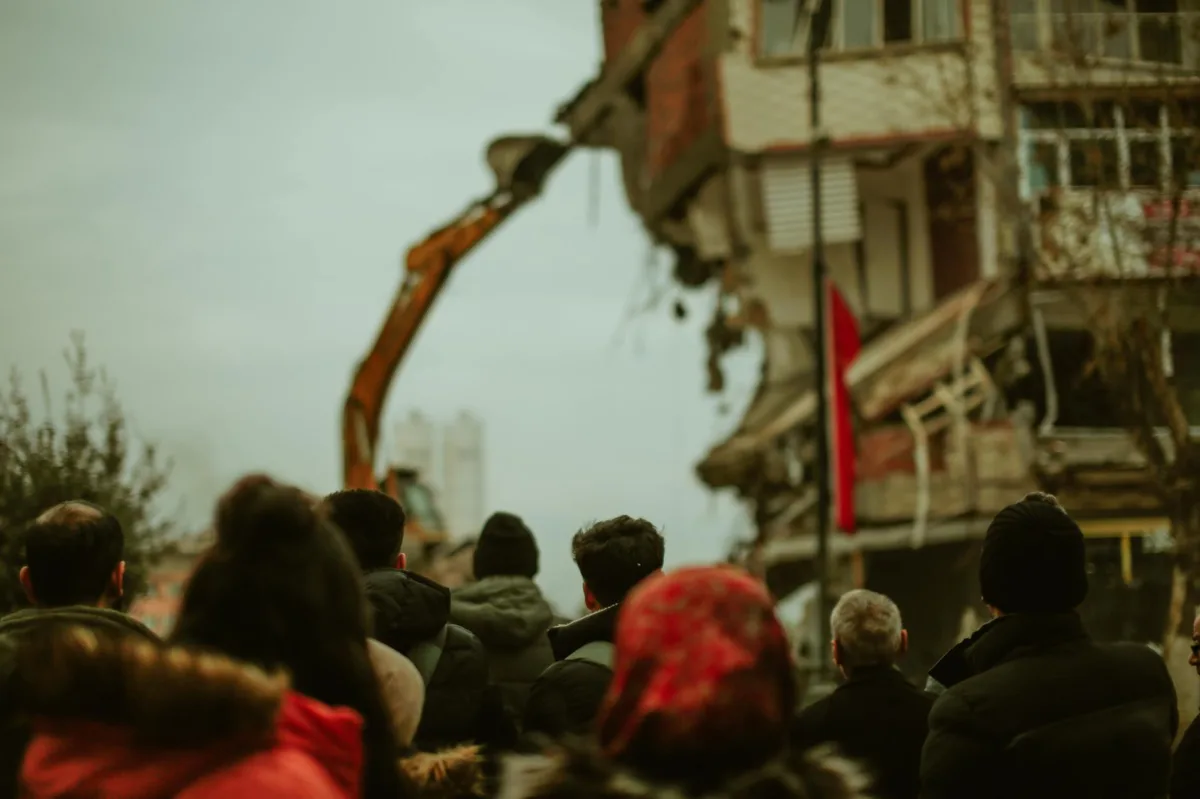
A routine demolition drive aimed at clearing unauthorized structures in Kolkata’s Park Circus neighborhood descended into violence on Wednesday, resulting in injuries to three police personnel and widespread disruption in the area. Local authorities, backed by municipal teams, arrived at the site to dismantle temporary encroachments, but were met with stiff resistance from residents and local traders who claimed the action was abrupt and lacked proper legal notice.
The situation escalated rapidly as protesters blocked arterial roads, leading to a confrontation between the crowd and law enforcement officers. Police were forced to deploy tear gas and resort to a mild lathi-charge to disperse the agitated mob, which had begun pelting stones at municipal vehicles and police personnel. The three injured officers were rushed to a nearby hospital for medical assessment, while the area remains under heavy security deployment to prevent further outbreaks of civil unrest.
The Context of Urban Encroachments
The Kolkata Municipal Corporation (KMC) has recently intensified its efforts to clear pavements and public spaces of illegal structures across the city. These initiatives are part of a broader urban renewal strategy aimed at improving pedestrian mobility and traffic flow in densely populated regions like Park Circus.
However, the intersection of urban development and informal economies has long been a source of friction. Many residents argue that these demolition drives disproportionately impact low-income families and small-scale street vendors who rely on these spaces for their livelihoods. Critics of the current drive suggest that the lack of a structured rehabilitation plan often transforms necessary civic improvements into humanitarian crises for the city’s most vulnerable inhabitants.
Conflicting Perspectives on Enforcement
Municipal officials maintain that the demolition is necessary to ensure public safety and reclaim public land from illegal occupation. According to a KMC spokesperson, multiple warnings were issued to occupants prior to the scheduled demolition date. The administration asserts that failure to act would constitute a violation of city building codes and jeopardize the safety of residents living in proximity to hazardous, unapproved construction.
Conversely, community leaders and local representatives argue that the process is flawed. They contend that the notices were either not served effectively or were delivered with insufficient lead time for residents to relocate their belongings or seek legal recourse. Witnesses at the scene reported that the sudden arrival of bulldozers created a sense of panic, which served as the primary catalyst for the subsequent protest and violent reaction.
Broader Implications for Urban Planning
The incident in Park Circus highlights the recurring tension between municipal governance and the realities of urban life in India’s metropolitan centers. As cities continue to expand, the demand for clear public thoroughfares often clashes with the informal settlements that define much of the urban landscape. This clash poses significant challenges for city planners who must balance infrastructure modernization with the socio-economic rights of citizens.
For residents and business owners in similar zones, the events of Wednesday serve as a warning of the potential for sudden disruption. Observers are now watching to see if the KMC will adjust its approach to incorporate a more collaborative communication strategy with local communities. The immediate focus remains on the restoration of law and order, but the underlying questions regarding how the city balances development with displacement remain unresolved. Future demolition drives in the region will likely face increased scrutiny and potential legal challenges, as community groups call for more transparent and humane eviction processes.