








Evolution of the Flagship MPV
Maruti Suzuki is currently preparing a mid-cycle refresh for the Invicto, its premium flagship MPV, aiming to sustain its competitive edge in the Indian automotive market throughout late 2024 and early 2025. Following its debut as the company’s most expensive offering, the Invicto serves as a strategic bridge between Maruti’s mass-market portfolio and the premium Nexa retail experience. By introducing subtle design adjustments and feature enhancements, the manufacturer intends to address evolving consumer preferences for high-end utility vehicles.
Contextualizing the Invicto’s Market Position
The Invicto was originally launched as a rebadged iteration of the Toyota Innova Hycross, marking a significant milestone in the collaborative partnership between the two automotive giants. Since its inception, it has occupied a unique niche, offering a self-charging strong hybrid powertrain that appeals to urban commuters seeking efficiency without compromising on space. As the MPV segment continues to see increased demand for premium features and refined road presence, the upcoming facelift is viewed as a necessary step to maintain its relevance against growing competition.
Anticipated Design and Functional Refinements
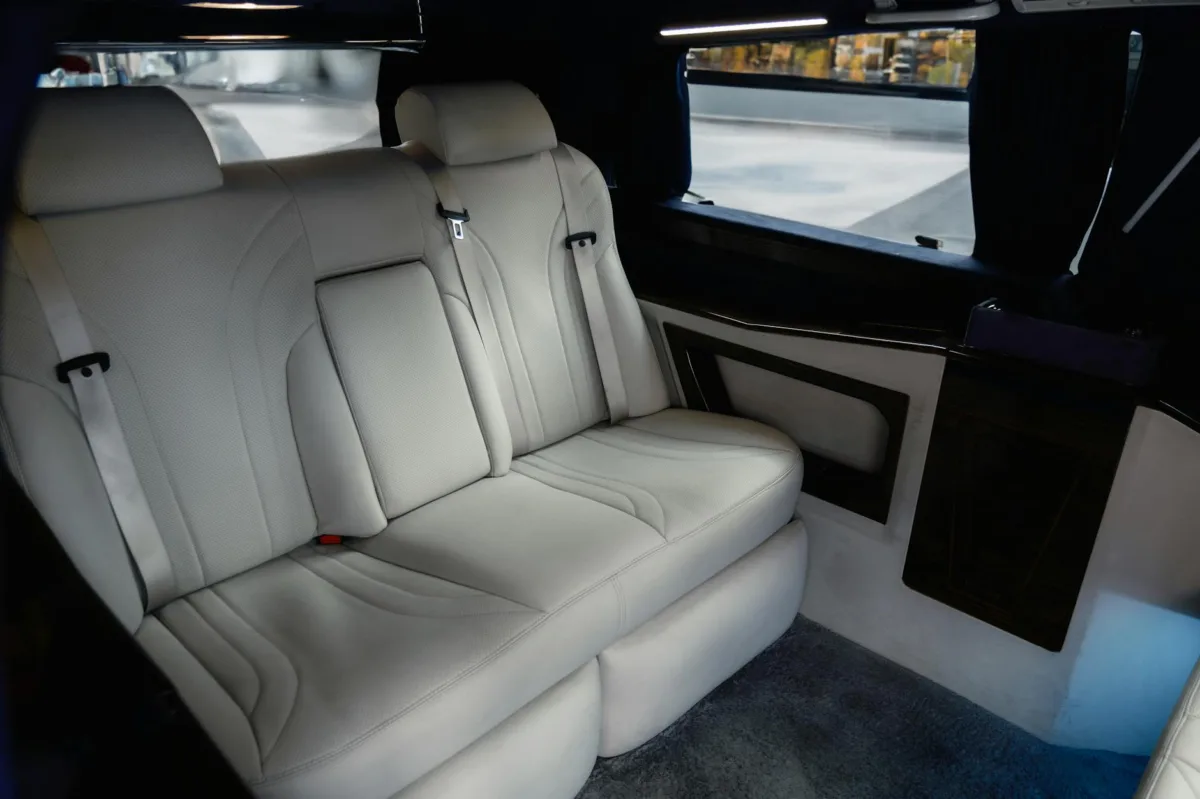
Industry insiders suggest that the Invicto facelift will likely prioritize aesthetic updates to distinguish it further from its sibling model. Expect revised front and rear bumpers, updated LED lighting signatures, and potentially a refreshed alloy wheel design to provide a fresher visual identity. While the core chassis and dimensions will remain largely unchanged, interior cabin updates are expected to include improved upholstery materials, updated infotainment software, and enhanced connectivity features to align with the latest digital trends.
Technical Specifications and Performance Expectations
Under the hood, the Invicto is expected to retain its robust 2.0-liter TNGA strong-hybrid powertrain. This system has been highly regarded for its balance of fuel efficiency and performance, delivering a seamless transition between electric and gasoline power. Data from current owners indicates high satisfaction with the vehicle’s low running costs, a factor Maruti Suzuki is unlikely to disrupt with this update. Engineers are instead focusing on optimizing the suspension calibration and NVH (Noise, Vibration, and Harshness) levels to provide a more premium ride quality for rear-seat passengers.
Strategic Implications for the Industry
The decision to refresh the Invicto highlights Maruti Suzuki’s commitment to capturing the premium segment, which has historically been challenging for the brand. For consumers, this suggests that the company is listening to feedback regarding the need for more upscale cabin amenities and differentiated styling. If successful, this facelift could solidify the Invicto as a standard-bearer for hybrid technology in the MPV category, pressuring rivals to accelerate their own electrification strategies.
Future Trends to Monitor
Market analysts will be watching closely to see if Maruti Suzuki integrates advanced driver-assistance systems (ADAS) into more variants of the Invicto, a feature that is becoming an industry standard for premium vehicles. Furthermore, the pricing strategy for the facelifted model will be a critical indicator of how the manufacturer plans to navigate the rising costs of hybrid components while maintaining its value proposition. Future developments will likely focus on software-defined vehicle features and over-the-air (OTA) updates, signaling a shift toward more tech-centric ownership experiences.