









Judicial Intervention in Varanasi
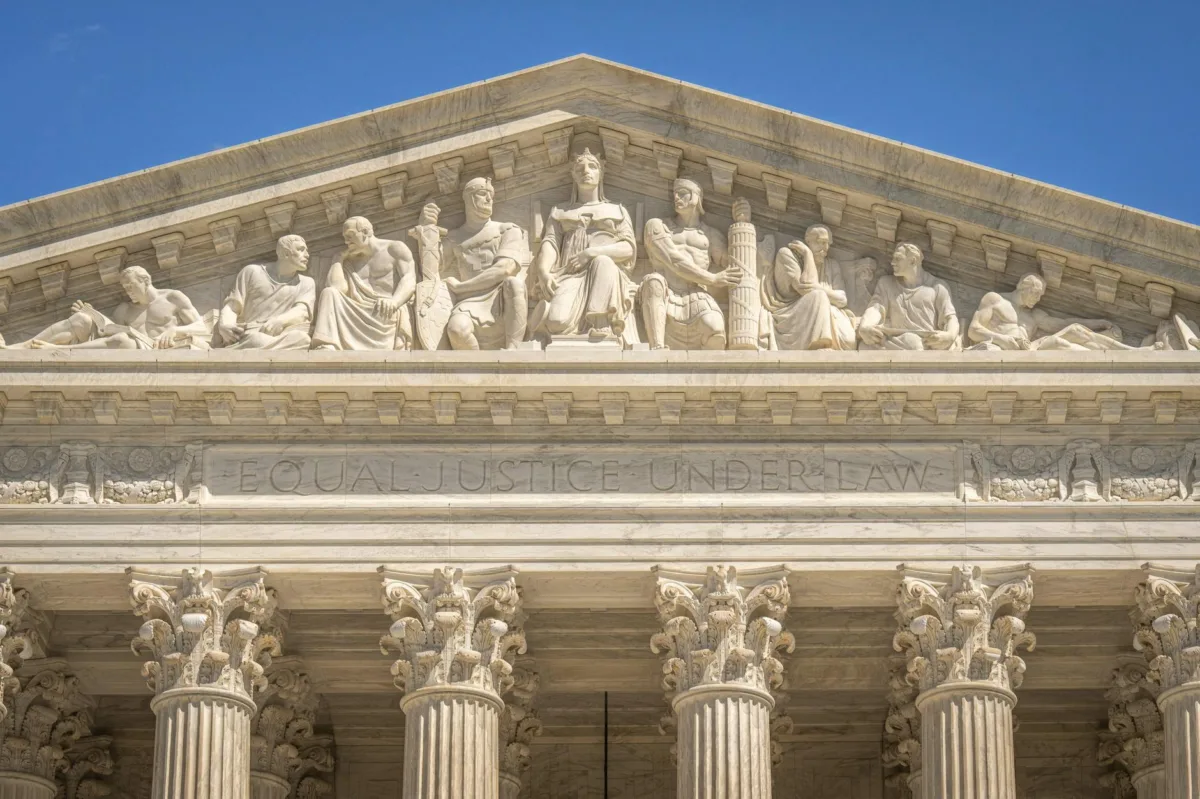
The Allahabad High Court recently granted bail to eight Muslim men who had been incarcerated since March following a controversy involving an Iftar gathering on a boat in the river Ganga in Varanasi. The court’s decision comes after months of legal proceedings triggered by a complaint from a local BJP Yuva Morcha leader, which alleged that the event violated religious decorum and public order.
Justice Shekhar Kumar Saraf, while presiding over the bail hearing, emphasized the sensitive nature of the river Ganga within the Hindu faith. The court observed that the disposal of non-vegetarian food waste into the river could potentially hurt religious sentiments, highlighting the intersection of secular public activities and deeply held cultural beliefs.
Context of the Dispute
The incident occurred during the holy month of Ramadan, when a group of individuals organized an Iftar—the meal to break the daily fast—on a boat anchored in the Ganga. The gathering became the subject of a criminal complaint, leading to the arrest of the participants on charges that sparked a broader debate regarding public conduct and religious expression in shared spaces.
Legal representatives for the accused argued that the gathering was a private social event and did not constitute a criminal offense. Conversely, the complainant stated that the nature of the food served and the location chosen were intended to provoke, suggesting that the judicial outcome serves as a lesson for those who disregard local religious sensitivities.
Legal and Social Perspectives
The Allahabad High Court’s observations reflect a growing judicial trend in India of weighing individual liberties against the potential for communal friction. By focusing on the environmental and spiritual sanctity of the river, the court has underlined the importance of maintaining public decorum in areas of high religious significance.
Legal analysts note that the case highlights the complexities of navigating diverse cultural landscapes in modern India. While the right to assemble is protected, the judiciary is increasingly tasked with determining where personal expression ends and public offense begins, especially regarding sites considered sacred by the majority population.
Future Implications
The release of the eight individuals marks the end of their immediate incarceration, but the legal case remains a point of contention for local community leaders. The court’s remarks regarding the disposal of food waste into the river are expected to influence future local regulations governing activities on the Ganga ghats.
Observers are now looking toward how local authorities in Varanasi will enforce environmental and behavioral guidelines for river-based tourism and social events. The case serves as a benchmark for how religious sentiments and secular activities will be balanced in the region moving forward, with potential for stricter oversight on boat-based gatherings to prevent further communal tensions.