









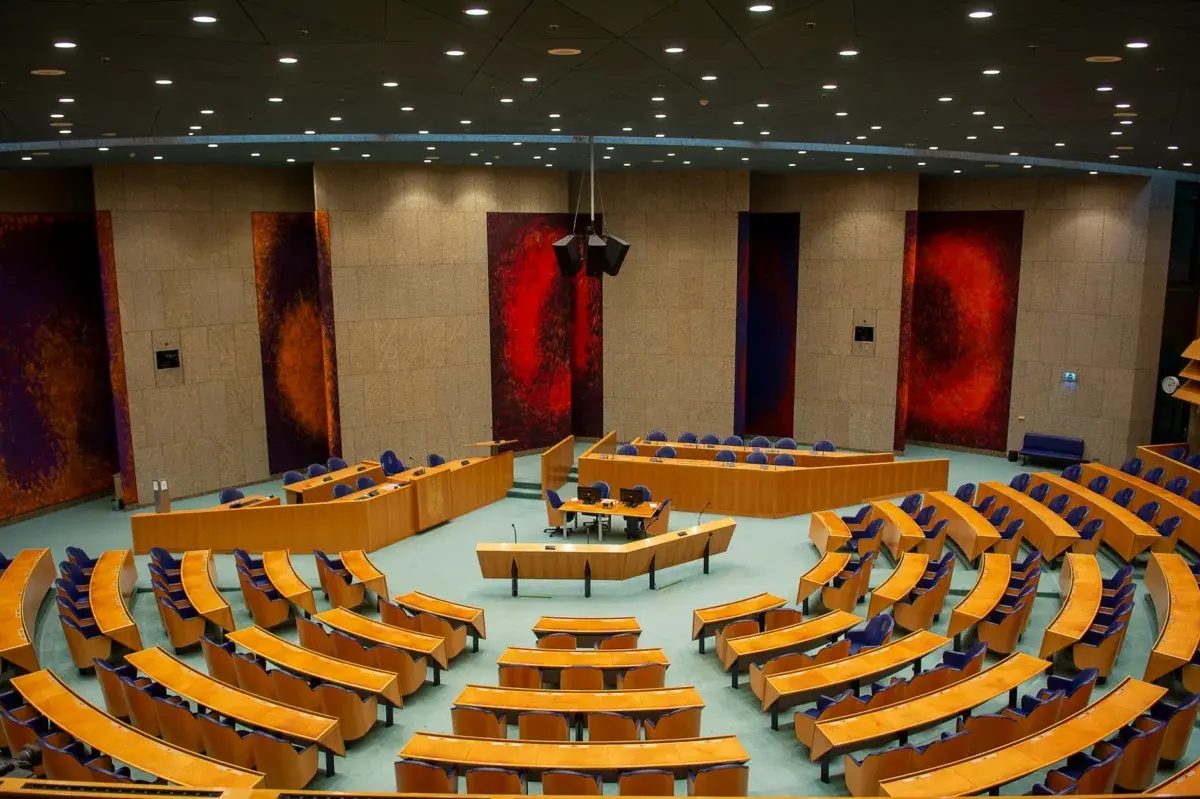
The United Nations General Assembly voted overwhelmingly this week in New York to adopt a resolution demanding urgent and robust international action to combat climate change. The decisive vote proceeded despite intensive diplomatic lobbying from the United States, which sought to have the measure withdrawn or significantly diluted before it reached the floor.
The Global Context of Climate Diplomacy
This resolution comes at a critical juncture for international environmental policy, as nations prepare for upcoming climate summits. The global community remains divided on the speed and scale of the transition away from fossil fuels, with developing nations often pushing for more aggressive financial support from industrialized economies.
For years, the UN has served as the primary forum for debating climate benchmarks, such as the 1.5-degree Celsius threshold established by the Paris Agreement. While the General Assembly’s resolutions are non-binding, they signal the collective political will of the international community and exert significant pressure on national legislatures.
Strained Negotiations and Diplomatic Friction
The United States’ opposition to the resolution highlights a widening rift between the current administration’s diplomatic strategy and the consensus of the broader UN membership. U.S. representatives had argued that the draft language was too prescriptive and could undermine ongoing bilateral negotiations regarding carbon emission targets.
Proponents of the resolution, however, characterized the U.S. intervention as a regressive step that ignores the scientific consensus on the accelerating pace of global warming. Diplomats from several European and island nations argued that the urgency of the climate crisis necessitates a unified, multilateral mandate rather than fragmented, individual country policies.
Scientific Backing and Economic Reality
Data from the Intergovernmental Panel on Climate Change (IPCC) continues to emphasize that the current window to prevent irreversible climate tipping points is closing rapidly. The report notes that global greenhouse gas emissions must peak before 2025 to keep the 1.5-degree goal within reach.
Economists suggest that the resolution could influence global capital flows by standardizing expectations for climate-related disclosures. If international bodies adopt these standards, multinational corporations may face increased pressure to align their environmental, social, and governance (ESG) metrics with the UN’s newly reinforced climate stance.
Future Implications for International Policy
This vote serves as a litmus test for the effectiveness of the UN in a polarized geopolitical climate. While the resolution lacks enforcement mechanisms, its overwhelming passage suggests that the global majority is increasingly willing to bypass U.S. reservations to pursue a collective climate agenda.
Observers are now looking toward the upcoming COP negotiations to see if this diplomatic momentum translates into concrete funding commitments. Whether the United States will adjust its policy to align with the growing international consensus or continue to advocate for a more cautious, individualized approach remains the key variable to watch in the coming months.