





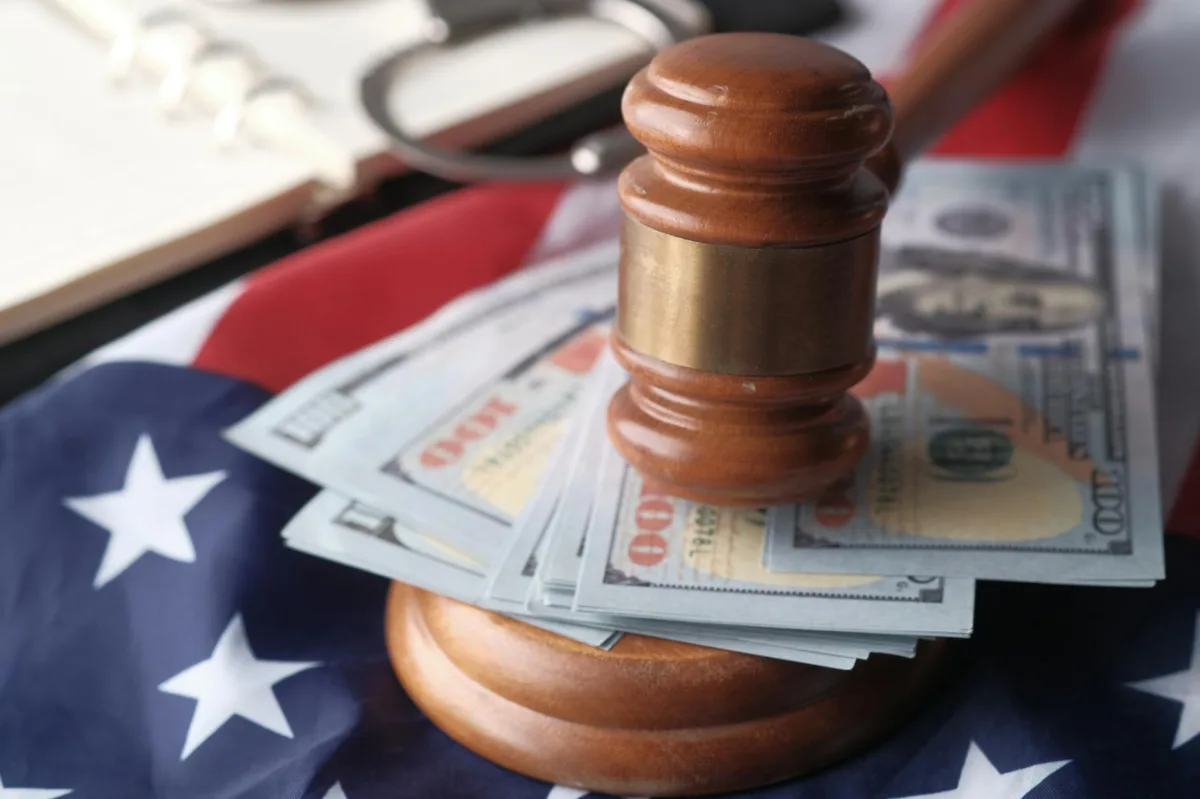
A federal grand jury in the United States has formally indicted former Cuban President Raúl Castro on charges of murder, marking a historic and aggressive escalation in diplomatic tensions between Washington and Havana. The indictment, unsealed this week in a Florida district court, alleges that Castro oversaw a systemic campaign of extrajudicial killings and human rights abuses targeting political dissidents throughout his tenure as the nation’s leader. These charges represent the first time a sitting or former head of the Cuban state has faced direct criminal prosecution within the American judicial system.
The Context of U.S.-Cuba Relations
The legal action arrives at a moment of profound instability for the Cuban government, which has struggled with a crumbling economy and widespread civil unrest. For decades, the United States has maintained a complex web of sanctions against the Caribbean nation, rooted in the 1959 revolution and subsequent alignment with the Soviet Union.
While previous administrations have oscillated between periods of détente and strict isolationism, the current legal maneuver signals a shift toward criminalizing the actions of the Cuban leadership. The move aligns with a broader strategy of international isolation, utilizing the U.S. court system as an instrument of foreign policy pressure.
Details of the Indictment
The indictment focuses on specific incidents involving the suppression of opposition movements, alleging that Castro authorized lethal force against domestic critics. Federal prosecutors claim to have gathered evidence, including testimonies from former regime officials and digital communications, that link Castro directly to the chain of command responsible for these deaths.
Legal analysts note that the case faces significant jurisdictional hurdles. Because Cuba does not have an extradition treaty with the United States, bringing the former president into a courtroom remains a logistical impossibility under current conditions. However, the indictment serves as a symbolic and political weapon, effectively labeling the former leader as a war criminal on the global stage.
Expert Perspectives and Legal Challenges
International law experts suggest that the indictment could complicate future diplomatic efforts. “By bringing criminal charges, the U.S. is signaling that there is no path forward for normalized relations while this leadership remains in power,” says Dr. Elena Rodriguez, a senior fellow at the Institute for International Security.
Conversely, some critics of the move argue that the charges may further harden the resolve of the Cuban government. They suggest that the indictment provides the regime with a nationalist rallying cry, allowing them to portray the United States as an imperialist aggressor interfering in sovereign internal affairs.
Broader Implications for the Region
The move carries significant weight for the broader Latin American political landscape. Several regional leaders have expressed concern that the normalization of prosecuting foreign heads of state in U.S. courts could set a volatile precedent for international diplomacy.
For the Cuban people, the news adds another layer of uncertainty to a country already navigating a severe shortage of food, fuel, and medicine. The economic impact of this legal escalation may include further restrictions on remittances and travel, potentially deepening the humanitarian crisis on the island.
Future Outlook
Moving forward, observers will be watching to see if the U.S. Department of Justice expands the indictment to include other high-ranking members of the Cuban Communist Party. Furthermore, the international community will monitor whether the United Nations or the Organization of American States responds to the charges, which could determine the level of global support for the U.S. position.
The next phase of this legal saga may involve attempts to seize international assets linked to the accused, further straining the regime’s already limited financial lifelines. Whether this case leads to a tangible change in Havana or remains a strictly symbolic gesture remains the primary question for policymakers in the coming months.