









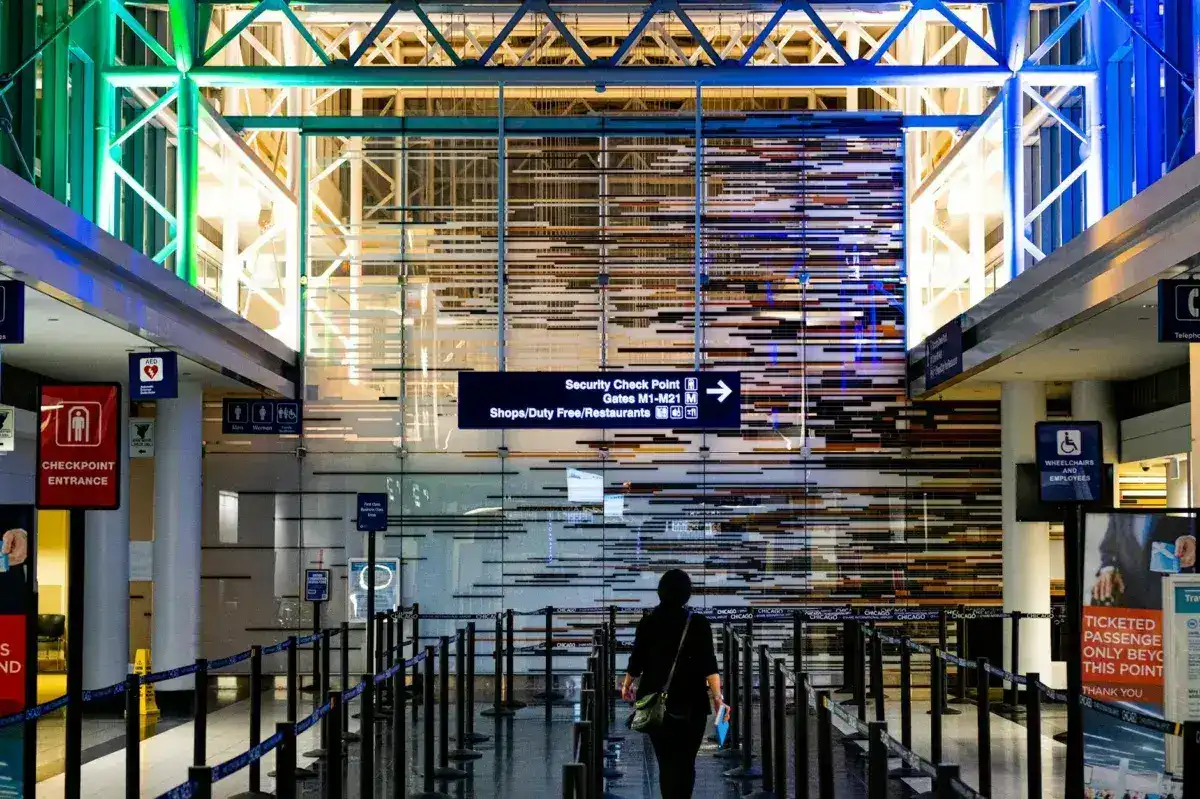
Members of the House Committee on Homeland Security convened this week in Washington, D.C., to evaluate the operational future of the Transportation Security Administration (TSA), as the Trump administration intensifies its push to shift airport security responsibilities to private contractors. The legislative discussion highlights a growing tension between maintaining federal oversight of national aviation security and the executive branch’s goal of streamlining government functions through privatization.
The Evolution of Federal Aviation Security
The TSA was established in the aftermath of the September 11, 2001, terrorist attacks to provide a unified, federalized approach to passenger and baggage screening. Before its creation, security responsibilities fell to individual airlines, which often utilized private security firms with inconsistent training and performance standards. Since its inception, the agency has grown into one of the largest federal workforces, tasked with securing over 440 commercial airports across the United States.
Arguments for Privatization
Proponents of the administration’s privatization plan argue that private security firms, overseen by federal regulators, can offer greater flexibility and efficiency than a massive government bureaucracy. Advocates frequently point to the Screening Partnership Screening Program (SPP) as a model, which already allows some airports to utilize private screeners who must meet TSA-mandated performance standards. Supporters suggest that private companies are better positioned to adopt new technology rapidly and manage staffing levels based on seasonal demand fluctuations.
Concerns Over Oversight and National Security
Conversely, critics and some committee members expressed significant concerns regarding the potential degradation of security standards if federal officers are replaced by private employees. Labor unions representing TSA personnel emphasize that federal officers are subject to rigorous background checks and specialized training that private firms may struggle to replicate at scale. Security experts noted that the profit motive inherent in private contracting could incentivize cost-cutting measures that might compromise the integrity of screening checkpoints.
Data and Performance Metrics
According to recent Government Accountability Office (GAO) reports, the performance gap between federal and private screeners remains a subject of intense debate, with data often showing inconsistent results depending on the metrics utilized. While some private screening operations have reported shorter wait times, federal oversight remains the primary pillar of aviation safety. The committee reviewed testimony suggesting that the complexity of modern aviation threats requires a highly standardized, non-commercial approach to surveillance and threat detection.
Implications for the Aviation Industry
A transition toward widespread privatization would necessitate a massive restructuring of the aviation industry’s logistical operations and government procurement processes. Airports currently utilizing federal staff would face significant transition periods, requiring new vetting procedures and extensive retraining programs for incoming personnel. For travelers, the immediate impact may be less visible, though industry analysts warn of potential disruptions during the implementation phase of such a radical policy shift.
Moving forward, stakeholders are closely watching the committee’s next steps to see if legislation will be introduced to expand the SPP or if Congress will move to block the administration’s privatization mandate. The debate is likely to intensify as the administration prepares its next budget request, which may feature specific funding allocations for shifting security operations to the private sector. Observers should monitor upcoming budget markups and potential amendments that could either accelerate or halt this transition.