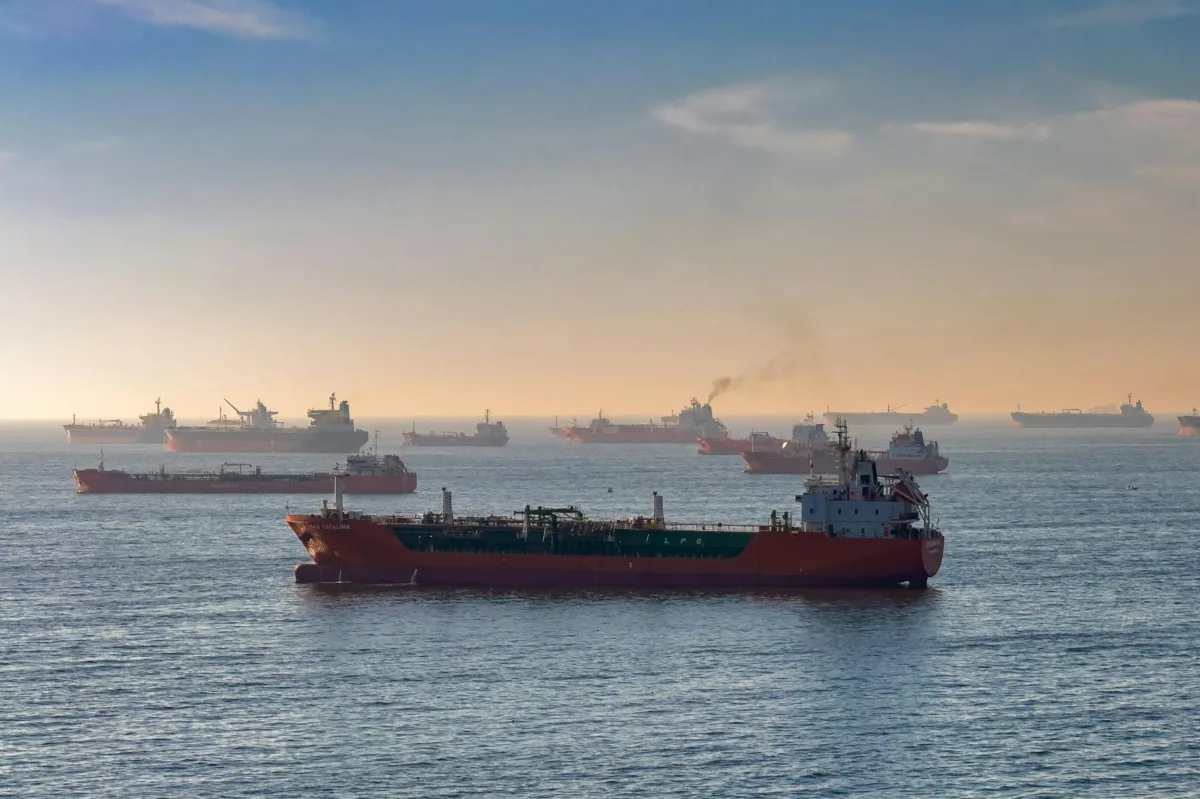









A sophisticated new whale detection network officially launched in San Francisco Bay this week, aiming to mitigate the rising frequency of fatal ship strikes against migrating gray whales. The system utilizes real-time acoustic sensors and satellite tracking to provide immediate alerts to maritime vessels, addressing a crisis where ship strikes were responsible for at least 40% of the 21 whale deaths recorded in the region last year.
The Growing Threat of Climate Change
The urgency for this technology stems from shifting oceanic conditions driven by climate change. Warming waters have disrupted traditional food sources in the Arctic, forcing gray whales to abandon historical migration patterns in search of sustenance.
As these starving whales enter the busy shipping lanes of the San Francisco Bay, they become increasingly vulnerable to vessel collisions. Scientists note that the whales are often too malnourished to exhibit their usual evasive maneuvers, making them essentially sitting ducks for commercial and recreational maritime traffic.
How the Detection Network Functions
The network integrates multiple data streams to create a comprehensive picture of whale activity. Underwater microphones, or hydrophones, detect the unique vocalizations of gray whales as they enter the bay area.
This acoustic data is cross-referenced with satellite imagery and visual sightings reported by trained spotters. Once a whale is identified in a high-traffic zone, the system pushes automated alerts directly to the bridges of nearby ships, advising captains to reduce speed or adjust their course.
Expert Perspectives and Industry Data
Marine biologists have long advocated for such proactive measures. According to data from the National Oceanic and Atmospheric Administration (NOAA), the number of ship strikes has climbed steadily over the last decade as vessel traffic density increases.
“The technology provides a critical safety buffer that didn’t exist even five years ago,” says Dr. Elena Rodriguez, a lead researcher at the Pacific Marine Mammal Center. “By giving captains actionable, real-time intelligence, we can drastically reduce the probability of a lethal encounter.”
The maritime industry has responded with cautious optimism. Several major shipping lines have already committed to integrating the alert system into their navigational software, citing both environmental stewardship and the operational benefits of safer vessel management.
Future Implications for Marine Conservation
The success of the San Francisco Bay pilot program could serve as a blueprint for other high-traffic coastal zones globally. If the system proves effective in reducing mortality rates, regulators may consider making the technology a mandatory requirement for commercial vessels operating in protected marine sanctuaries.
Observers should watch for the release of the first quarterly mortality report later this year to determine if the alerts have resulted in a statistically significant drop in ship strikes. Moving forward, the integration of artificial intelligence to predict whale movement patterns based on current data could further refine the system’s accuracy, potentially shifting maritime policy toward more dynamic, AI-assisted conservation efforts.