





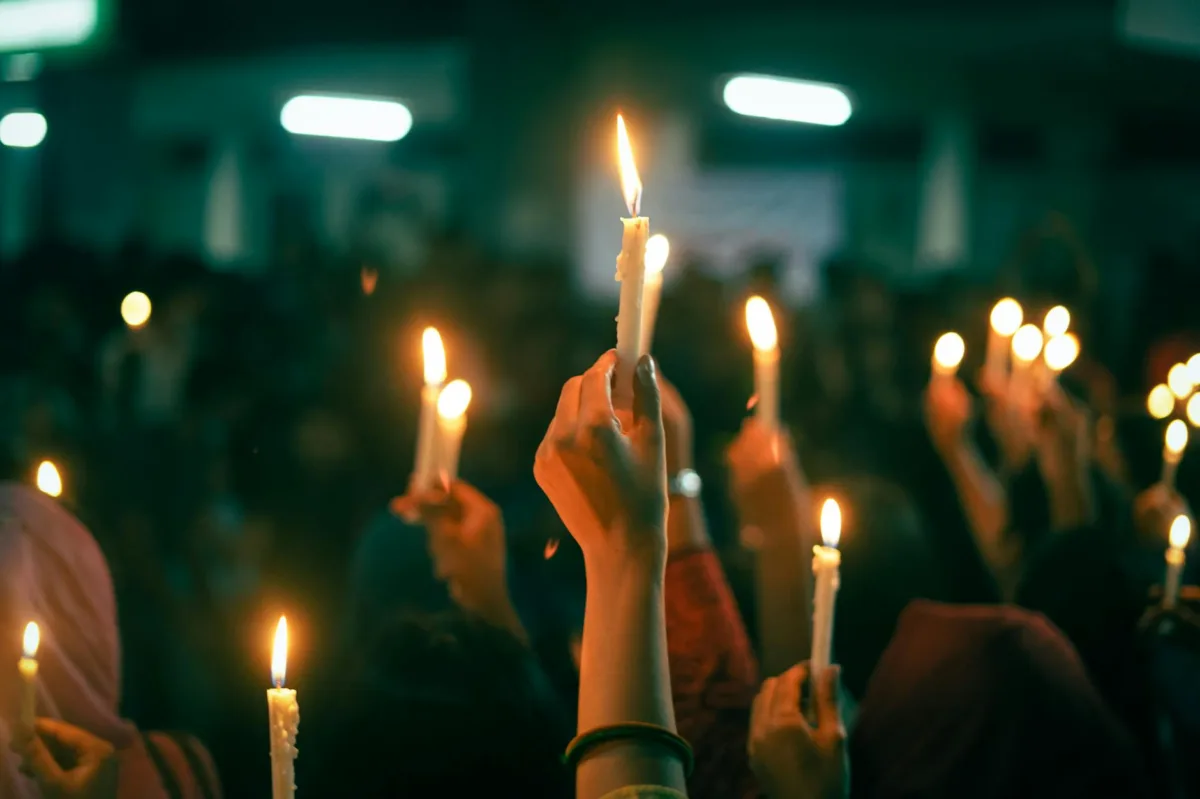
A targeted attack on a San Diego mosque last week has ignited a national conversation regarding the role of media framing and the persistent rise of anti-Muslim rhetoric. While authorities continue to investigate the suspects involved in the shooting, the incident has left a community in mourning, grappling with both the immediate trauma of the violence and the subsequent public discourse surrounding the event.
The Anatomy of the Crisis
The incident occurred when armed individuals targeted a local mosque, leading to a dangerous standoff that threatened the lives of congregants, including children present for religious instruction. Local law enforcement reports indicate that the situation was prevented from escalating into a mass casualty event due to the intervention of security personnel and community members who engaged the shooters.
Reports from Reuters and CNN have identified the primary security guard as a central figure in the defense, describing his actions as instrumental in distracting the gunmen. His intervention allowed families and children to reach safety, cementing his status as a local hero in the wake of the tragedy.
Media Framing and Public Backlash
As news of the shooting spread, a significant segment of the public took to social media platforms to criticize the mainstream media’s coverage of the event. Critics argue that the reporting often employed