









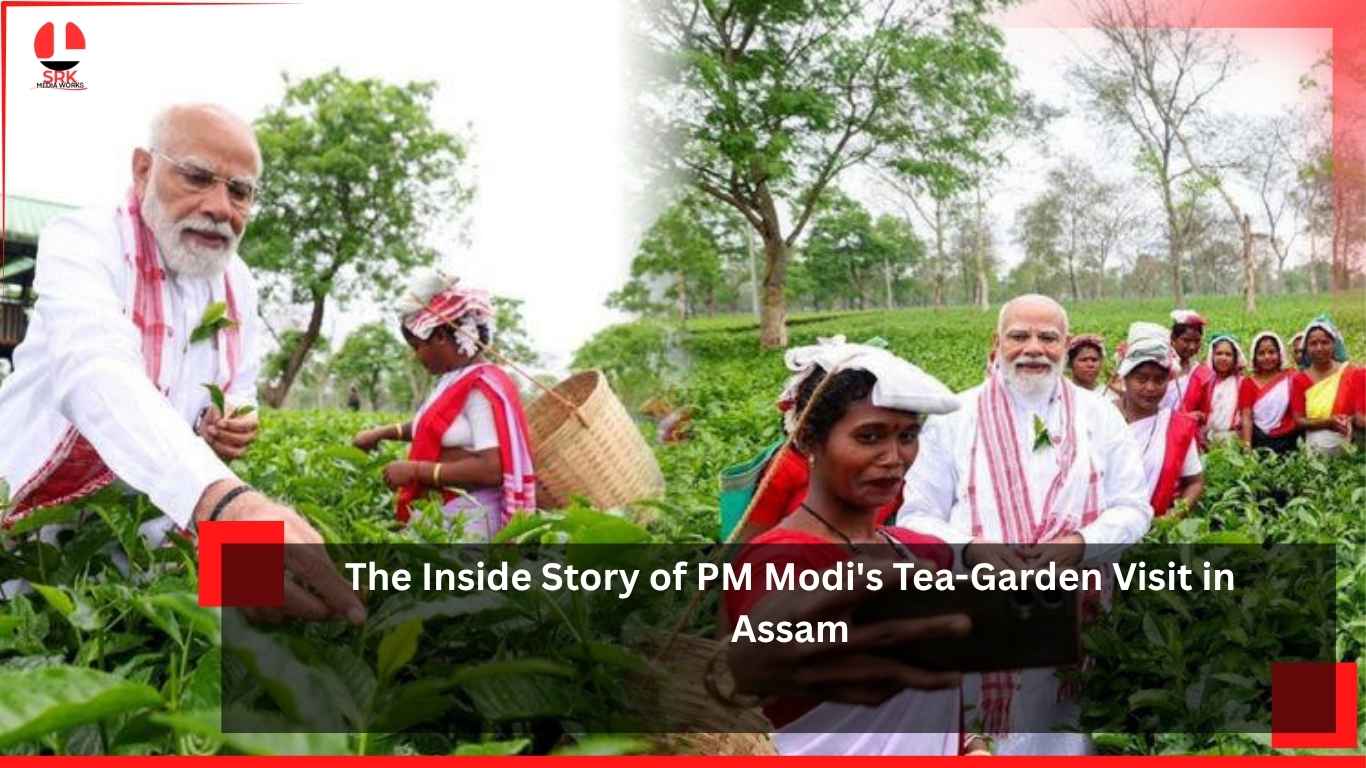
Prime Minister Narendra Modi’s recent tea-garden visit in Assam has captured national attention, blending cultural symbolism with political strategy. His stop at the Monohari Tea Estate in Dibrugarh was not part of the official itinerary, making it a surprise engagement that resonated deeply with tea workers and the broader Assamese community. The visit highlighted the importance of the tea industry, the lives of workers, and the cultural heritage of Assam, while also setting the stage for high-energy election rallies in Gogamukh and Behali.
Background of the Visit
The tea industry in Assam is not just an economic powerhouse but also a cultural identity marker. With over 800 tea estates and millions of workers, the sector contributes significantly to India’s global tea exports. Modi’s decision to spend time at a tea garden was both symbolic and strategic, reinforcing his government’s narrative of grassroots connection and regional development.
Key Highlights of Modi’s Tea-Garden Interaction
- Unplanned Gesture: Modi, staying overnight at the Monohari Tea Estate resort, joined workers heading to the gardens early in the morning.
- Tea Plucking: He personally plucked tea leaves alongside women workers, a gesture that struck an emotional chord.
- Cultural Showcase: Modi witnessed a traditional Jhumur dance performed by tea garden families, celebrating Assamese heritage.
- Worker Concerns: Conversations touched upon wages, healthcare, education, and welfare schemes.
- Political Messaging: The visit set the tone for subsequent rallies, emphasizing inclusivity and grassroots outreach.
Comparative Analysis of PM Modi’s Grassroots Engagements
| Year | Location | Activity | Political Impact |
|---|---|---|---|
| 2019 | Varanasi | Ganga boat ride with locals | Strengthened cultural symbolism |
| 2022 | Gujarat | Tribal village interaction | Boosted regional support |
| 2026 | Assam | Tea-garden visit, leaf plucking | Reinforced grassroots connection |
This comparative view shows how Modi’s symbolic gestures often align with political strategy.
Sector-Wise Impact of the Tea-Garden Visit
| Sector | Impact Level | Key Benefits |
|---|---|---|
| Tea Industry | High | Renewed focus on workers’ welfare |
| Culture | Very High | Promotion of Assamese traditions |
| Politics | Very High | Strengthened regional outreach |
| Economy | Medium | Highlighted importance of tea exports |
| Public Perception | Very High | Boosted image of accessibility |
Analytical Pivot
| Year | Tea Industry Status | Government Initiatives | Worker Sentiment |
|---|---|---|---|
| 2024 | Stable exports | Wage support schemes | Moderate satisfaction |
| 2025 | Rising demand | Healthcare initiatives | Improved morale |
| 2026 | Election year focus | Tea-garden visit, symbolic outreach | High optimism |
This pivot analysis highlights how Modi’s visit ties into broader government initiatives and worker sentiment.
Political Significance
The tea-garden visit was not just cultural but deeply political. Assam’s tea workers form a significant voting bloc, and their support can influence electoral outcomes. By engaging directly with them, Modi reinforced his government’s commitment to welfare schemes and regional development, while also countering opposition narratives.
International Reactions
- Global Analysts: Noted the symbolic importance of tea in India’s global identity.
- Regional Observers: Saw the visit as a strategic move to consolidate support in Assam.
- Public Sentiment: Social media amplified images of Modi plucking tea leaves, portraying him as approachable and connected.
Possible Scenarios
- Electoral Boost: The visit strengthens BJP’s position in Assam.
- Policy Push: Renewed focus on tea industry welfare schemes.
- Cultural Integration: Greater promotion of Assamese traditions at national platforms.
Future Outlook
Experts predict that Modi’s tea-garden visit will have lasting resonance, both culturally and politically. It may lead to enhanced welfare measures for tea workers, greater promotion of Assamese heritage, and stronger electoral positioning in the region. The symbolism of the visit ensures it will be remembered as more than just a campaign stop.
Conclusion
Prime Minister Modi’s tea-garden visit in Assam was a carefully balanced blend of cultural symbolism and political strategy. By plucking tea leaves alongside workers and engaging with their traditions, Modi reinforced his image as a leader connected to grassroots realities. The visit not only highlighted the importance of the tea industry but also set the tone for his broader outreach in Assam during a crucial political season.
Disclaimer
This article is intended for informational purposes only. The content reflects current political and cultural developments based on publicly available information. Readers should not interpret this as verified fact or official policy guidance. While accuracy has been prioritized, future developments may alter the situation. Independent verification is recommended before drawing conclusions.